
TL;DR
Recovering traffic lost to AI Overviews starts with refreshing the right pages, not publishing more content. Focus on direct answer blocks, topic completeness, visible proof, clean structure, and stronger reasons to click after citation.
You feel it before you can prove it. Traffic dips on pages that used to print demos, rankings look mostly intact, and yet fewer people click because Google already answered the question.
That shift has forced a different kind of SEO discipline. If you want recovery in 2026, AI Overviews optimization is less about publishing more and more about making your best pages easier to cite, trust, and click.
A simple truth sits underneath all of this: when AI answers reduce clicks, the pages that win are the ones that become the source behind the answer, not just another result below it.
What changed when AI Overviews started taking the first click
Google describes AI Overviews as snapshots that help people understand a topic quickly and then explore links for more detail, as explained in Google Support. That sounds harmless until you look at your analytics.
The pattern is familiar. Impressions stay stable or even rise. Rankings don’t collapse. But clicks shrink on informational and mid-funnel queries because the searcher gets enough of the answer on the results page.
For SaaS teams, that hurts in three places:
Feature education pages lose assisted traffic.
Comparison and alternative pages lose early-stage researchers.
High-intent blog posts stop feeding pipeline at the same rate.
I’ve seen teams react the wrong way. They publish ten new articles, rewrite title tags, and blame brand weakness. Sometimes brand is part of it, but more often the problem is structural: the page is still written for blue-link SEO while the SERP is now built around summary extraction.
That is why AI Overviews optimization needs a different lens. You are no longer optimizing only for ranking. You are optimizing for this path:
impression -> AI answer inclusion -> citation -> click -> conversion
That changes what counts as a strong page. The old model rewarded relevance and backlinks. The new model still cares about those, but it also rewards pages that are easy to summarize, specific enough to trust, and useful enough to cite.
This is also where GEO and AEO enter the conversation. As Ad Age noted in 2025, marketers increasingly use terms like Generative Engine Optimization and Answer Engine Optimization to describe visibility inside AI-driven answers. The label matters less than the reality: organic visibility now includes being extracted, summarized, and cited.
If you want a deeper look at how SaaS teams are adapting their pages for extraction, our piece on LLM-ready feature pages is useful context.
The page triage method I use before touching a single draft
Most traffic recovery work fails because teams refresh the wrong pages first. They update whatever feels stale instead of identifying the URLs where citation potential and business impact overlap.
I use a simple model called the refresh priority stack:
Pages that lost clicks but kept impressions
Pages tied to revenue or assisted conversions
Pages on topics likely to trigger AI summaries
Pages with weak structure, thin proof, or outdated claims
That is the order. Not publish date. Not gut feel.
Start with a three-column audit
Open your analytics and search data for the last 90 to 180 days. You are looking for URLs with one of these patterns:
Impressions flat or up, clicks down
Average position relatively stable, CTR down
Non-brand informational queries driving less traffic than before
Time on page okay, but fewer next-step conversions
This tells you the problem may be SERP behavior, not just ranking decay.
Then add one more layer: business value. A traffic dip on a vanity article is annoying. A traffic dip on a category explainer that historically assisted trials is expensive.
Don’t refresh everything equally
Here is the contrarian take: don’t start by rewriting the whole article. Start by making the answer block better than the AI summary that is replacing you.
That usually means tightening the first 20 percent of the page, not reworking 2,500 words at once.
If a page used to rank for “what is product-led onboarding software” and now gets buried under an AI Overview, your first fix is not adding 15 more related keywords. Your first fix is creating a cleaner, more direct, more quotable answer near the top, followed by evidence and decision support.
According to Google Search Central, content that performs well in Google’s AI search experiences should be unique, valuable, and created for people rather than search engines. That aligns with what we see in practice: generic intros and padded definitions are usually the first thing to lose value.
A mini case pattern worth recognizing
Here’s the baseline-intervention-outcome shape I’d expect from a strong refresh program:
Baseline: a blog post keeps impressions on a high-volume SaaS query but loses clicks over 6 to 8 weeks.
Intervention: the team rewrites the opening answer, adds comparison tables, refreshes examples, updates internal links, and aligns schema with visible content.
Expected outcome: higher citation likelihood, CTR stabilization, stronger assisted conversions, and better engagement on down-funnel paths over the next 30 to 60 days.
Notice what’s missing: fantasy promises about doubling traffic in a week. Good recovery work compounds. It rarely spikes overnight.
The 5 refresh moves that actually improve citation chances
If a page is worth saving, I usually apply the same five moves. Not because they’re trendy, but because they map to how AI answers decide what feels extractable and trustworthy.
1. Rewrite the opening for answer extraction
Your first paragraph has a new job. It must answer the query cleanly enough to stand alone, but also signal that the full page goes deeper.
Bad version: three soft intro paragraphs, vague context, then the definition.
Better version: a direct 40 to 80 word answer, one strong point of view sentence, then a short list of what the reader will get.
That is one reason I like answer-ready formats. They help both human readers and AI systems extract the core point without guessing.
2. Shift from keyword coverage to topic completeness
One of the clearest tactical shifts in Finch’s guidance on AI Overviews SEO is moving from keyword-centric content to topic-centric coverage. In plain English, stop writing pages that dance around a term and start writing pages that actually resolve the question.
For SaaS, that often means adding:
specific use cases
buyer-stage nuance
examples by company size
clear comparisons
limits and tradeoffs
This is where a lot of “SEO content” still falls apart. It technically mentions the topic, but it doesn’t help anyone make a decision.
3. Add visible proof, not vague authority signals
AI answers pull from sources that feel trustworthy and uniquely useful. Brand is your citation engine, but brand alone is not enough. You need proof that your page deserves to be cited.
That proof can be:
a before/after workflow example
a dated product or market observation
screenshots or original tables
firsthand lessons from a failed test
a comparison readers can’t get from a generic summary
If you can’t add hard numbers, add process evidence. Explain what changed, what you observed, what you would measure next, and over what timeframe.
4. Tighten page structure so machines and humans read the same thing
Google’s guidance also stresses that structured data should match the visible content on the page, as documented by Google Search Central. This is easy to miss.
I still see SaaS pages with FAQ schema for questions that no longer appear on the page, or product markup that exaggerates what the content actually says. That creates interpretation problems and weakens trust.
A practical cleanup looks like this:
Align headers with actual search questions
Make tables readable without design gimmicks
Remove hidden or outdated FAQ entries
Match schema to visible claims and current page structure
Check that preview controls reflect what you want surfaced
If your team is rebuilding citation-oriented content systems at scale, Skayle fits here as a platform that helps companies rank higher in search and appear in AI-generated answers while keeping content workflows and visibility tracking in one place.
5. Build the click after the citation
Many teams stop at inclusion. That is a mistake.
If your page gets cited in an AI Overview, the next question is simple: why should anyone click? The answer cannot be “because we ranked.” It needs to be because the page offers depth the summary cannot.
That usually means adding one of these conversion bridges above the fold:
a decision table
a migration checklist
a pricing or ROI consideration
a tool comparison section
a concrete next-step template
The click now has to earn itself.
The content refresh checklist I’d hand to any SaaS team this quarter
This is the working list I’d use if we were reviewing your top 20 declining pages this week.
Identify pages with falling CTR but stable impressions.
Group them by intent: definition, comparison, workflow, or category education.
Rewrite the first 100 words to answer the query directly.
Add one clear point of view sentence that a reader could quote.
Replace generic examples with product-specific or market-specific ones.
Add a table, checklist, or comparison block that gives a reason to click.
Remove outdated stats, screenshots, and claims.
Audit internal links so the page sits inside a real topic cluster.
Align schema and visible content.
Measure CTR, assisted conversions, and downstream engagement for 30 to 60 days.
That list sounds basic, but most teams skip half of it.
The internal linking fix most SaaS blogs still miss
Traffic recovery is rarely page-local. If a page sits in a weak cluster, it looks weaker than it should.
A good refresh often includes linking the page to adjacent concepts: AI visibility measurement, structured content design, trust signals, comparison pages, and feature-level explainers. We’ve broken down the trust side of that in our guide to content trust, especially for teams trying to improve extraction and citation quality.
Internal links matter here for two reasons:
They help search engines understand your topical authority.
They help readers move from a summary-level answer to a buying journey.
If your AI Overview citation sends a click to an isolated article with no next step, you are wasting the visit.
What to measure after the refresh goes live
Don’t judge the update only by sessions.
I’d track four things:
CTR on affected queries: this tells you whether your page is still earning the click.
Citation appearance checks: manually review target queries in Google and AI assistants for visible mentions and linked references.
Assisted conversions: monitor whether refreshed informational pages contribute to demos, trials, or qualified visits later in the journey.
On-page progression: scroll depth, secondary clicks, or navigation to product pages.
This is where many teams need better instrumentation. Reporting gets disconnected from action fast. If you can’t see whether visibility is improving inside AI answers, you’re flying blind.
Why “more content” is the wrong response to traffic loss
When teams lose traffic, they usually do one of two things: publish more or panic-refresh everything. I’ve done both. Neither works well.
The stronger move is selective consolidation.
Don’t create ten weak pages for one strong topic
A lot of SaaS sites still have separate posts for:
what AI search visibility is
how AI search works
AI search trends
AI answers and SEO
what GEO means
That can be fine if each page has a distinct job. Usually, though, it creates cannibalization and thin authority.
In an AI-answer environment, I would rather have one genuinely strong page with:
a direct definition
a practical framework
examples by use case
FAQs
linked subpages for deeper specifics
Microsoft makes a similar point from a different angle in its discussion of optimizing content for AI search answers: visibility in AI answers is not separate from SEO so much as a convergence of traditional search quality and answer-readiness.
That matters because it stops teams from treating AI Overviews optimization like a side quest. It is not. It is now part of core organic performance.
The mistake hidden inside “people-first content”
Everyone repeats “people-first content,” and Google does too. But here’s the miss: many marketers hear that and produce softer, broader, less differentiated pages.
That is not people-first. That is lowest-common-denominator content.
People-first in 2026 means:
direct answers
clear tradeoffs
honest limitations
useful examples
stronger editing
In other words, fewer fluffy intros and more substance.
A concrete example of a better refresh
Let’s say you have a post targeting “AI Overviews optimization for SaaS.”
The old version opens with background on how search is changing, repeats the phrase six times, and gives seven generic tips.
The better version opens like this:
“AI Overviews optimization for SaaS means making your pages easy for Google to summarize, cite, and trust, while still giving buyers a reason to click through.”
Then it follows with:
which pages to refresh first
what to rewrite near the top
how to add evidence and comparison depth
how to measure recovery over 30 to 60 days
That is a page I’d expect to perform better, because it does the work faster for both the reader and the summarizer.
What strong recovery pages look like in practice
You can usually spot a page built for citation because it feels unusually clear.
It does not ramble. It defines terms early. It uses clean section labels. It includes one or two memorable ideas. And it gives you something specific enough to act on.
The page shape I trust most
A strong AI Overview recovery page usually includes these elements in this order:
A direct answer in the first screen
A short explanation of why the issue matters now
A practical method for prioritization
Evidence, examples, or firsthand reasoning
FAQ language that matches real search behavior
A next-step path tied to product evaluation or conversion
That sequence is not magic. It just respects how people search now.
Proof beats polish
I’ve watched beautifully designed pages underperform because they were too clever. Fancy interactions, hidden tabs, and polished hero sections are nice until they bury the useful part.
For AI Overviews optimization, clarity usually beats cleverness.
That affects design too:
Put the answer where people can see it immediately.
Keep comparison tables visible on mobile.
Don’t hide useful details in accordions unless you have to.
Make headings descriptive enough to stand alone.
If your page is hard to scan, it is usually hard to summarize.
Authority is built page by page
This is the part people don’t like hearing. Recovery is not only a page-editing problem. It is an authority problem.
Finch points out that links still function as trust and authority signals for AI snapshot visibility. That tracks with what most experienced SEO teams already know: when multiple pages cover the same topic, the one backed by clearer authority usually gets surfaced more confidently.
So yes, refresh the page. But also ask:
Does the site have surrounding authority on this topic?
Are related pages reinforcing the same point of view?
Is the brand publishing original insights or just summaries?
That’s why brand matters so much in AI search. The answer engine has to decide whom to trust. Your content history helps make that decision.
Five questions teams ask when traffic drops after AI Overviews
How long does AI Overviews optimization take to show results?
Small on-page refreshes can influence click behavior within a few weeks, especially if the page already has stable impressions. Broader authority gains usually take longer because they depend on cluster strength, site trust, and repeated signals across related pages.
Should we de-optimize pages so Google can’t summarize them?
Usually no. Google Search Central notes that site owners can use preview controls to manage how content appears in AI experiences, but blocking visibility is a blunt tool. In most SaaS cases, it is better to improve citation quality and create a stronger reason to click.
Are AI Overviews mostly an informational-query problem?
Mostly, yes, but not only. The biggest click pressure often shows up on informational and mid-funnel educational queries, yet comparison and category queries can also be affected when the summary answers enough of the initial question.
Do we need entirely new pages for GEO or AEO?
Not always. In many cases, your existing winners are the best recovery candidates. The better move is to refresh high-potential pages so they are easier to extract, easier to trust, and more useful after the click.
What if we can’t prove citation gains in standard SEO tools?
Then add a manual review layer and query set. Track priority prompts and searches, record whether your brand or page appears in AI-generated answers, and compare that against CTR and assisted conversion trends. This is exactly why teams are investing in AI visibility measurement instead of relying only on traditional rank tracking.
The pages worth saving are the ones that can still influence pipeline
The hardest part of this shift is emotional. A page can be “ranking” and still be losing business value. That messes with your instincts if you grew up on classic SEO dashboards.
But the fix is not mysterious.
Recovering traffic lost to AI Overviews means refreshing the pages that still have demand, rewriting them so they answer faster, adding proof and decision support, and giving the click a job to do after the citation. The teams that win will treat AI Overviews optimization as editorial discipline plus measurement, not as a bag of hacks.
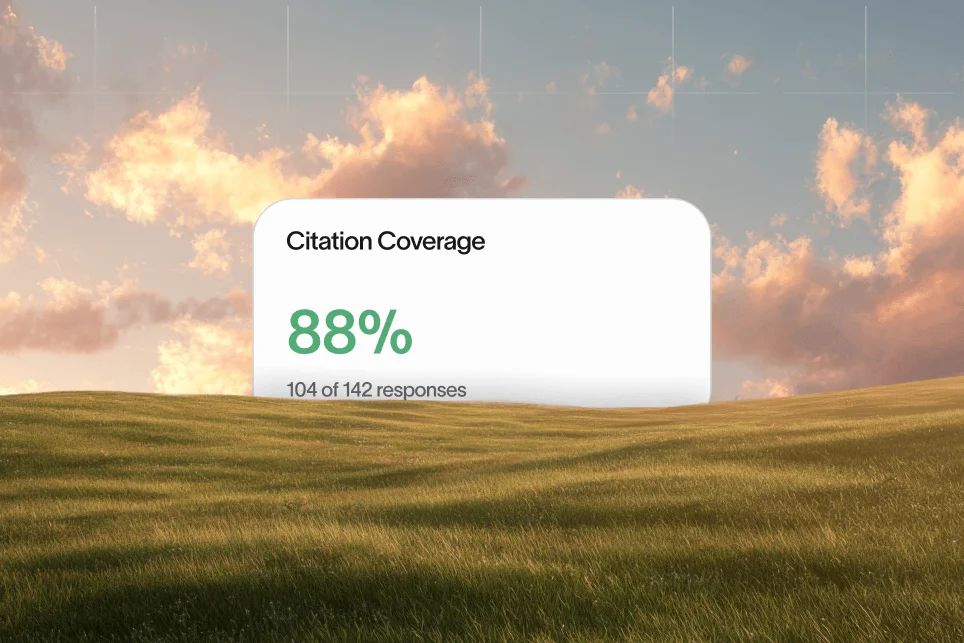
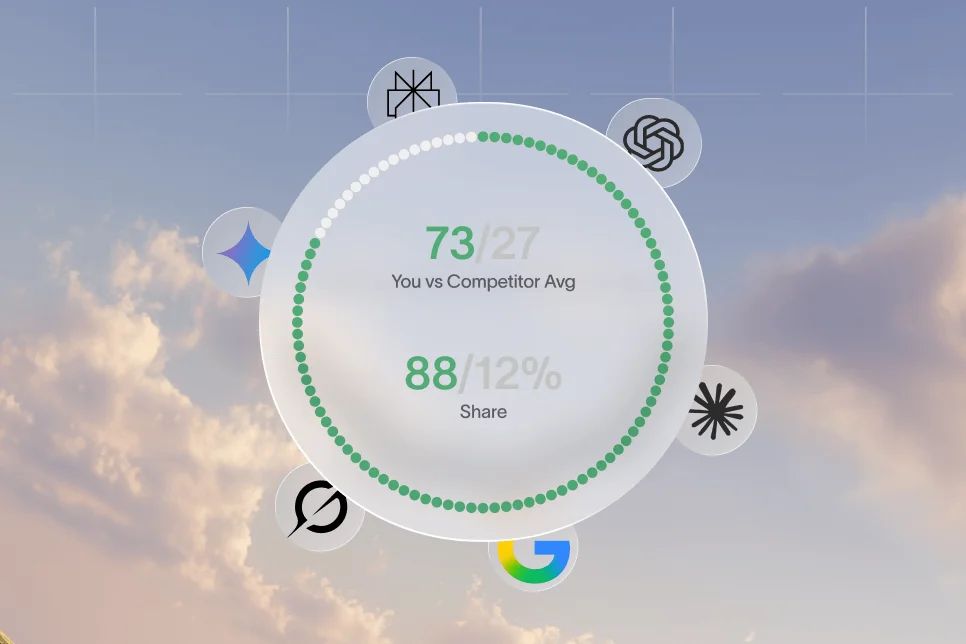
If you want to measure how your brand appears in AI answers and where your content is missing citation coverage, Skayle is built for that kind of visibility work. It helps SaaS teams connect content execution to ranking, citations, and ongoing refresh decisions without turning SEO into a fragmented reporting exercise.
If you’re working through this shift right now, start with ten declining URLs, not your whole site. That is usually enough to show whether your problem is content quality, citation readiness, or cluster authority.