Where your content
actually lives
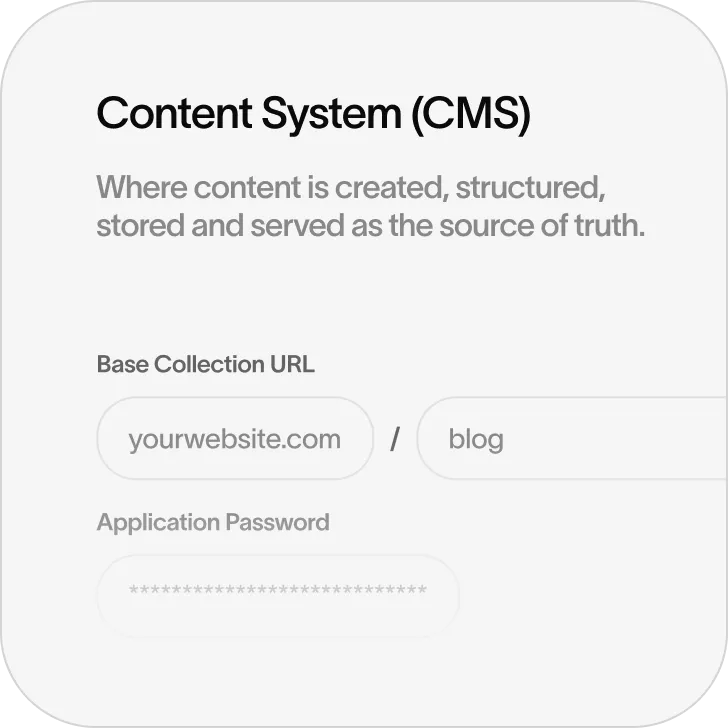
Skayle is the content system of record for modern teams. It stores, structures, and serves content from the same system that decides what gets created and why.

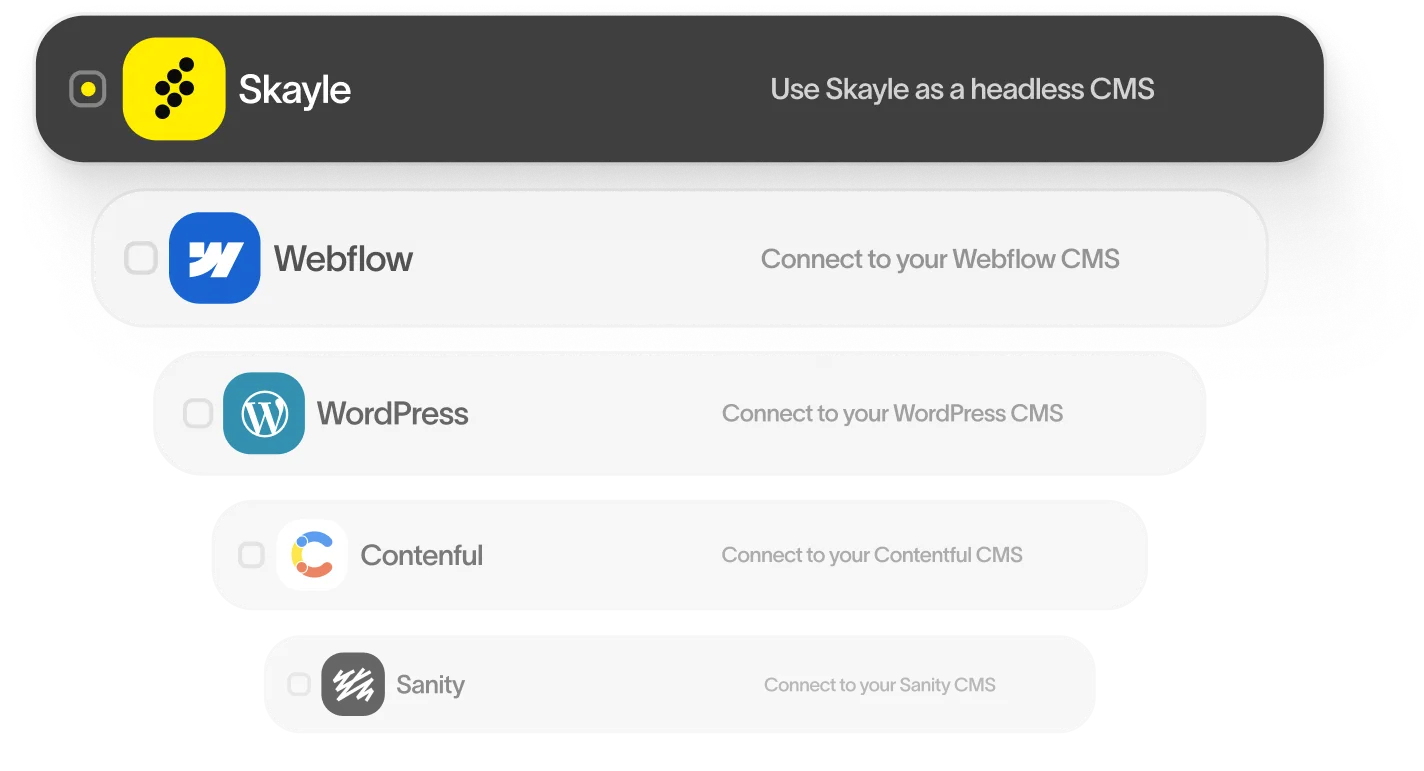
Writing is the smallest part of
 content creation.
Why traditional CMSs
break at scale
Most CMSs were built to manage pages, not systems.
Content planning happens elsewhere, structure is added later, and governance becomes manual as volume grows.
Over time, this creates duplication, drift, and costly migrations. Content fragments across tools instead of compounding inside a system.
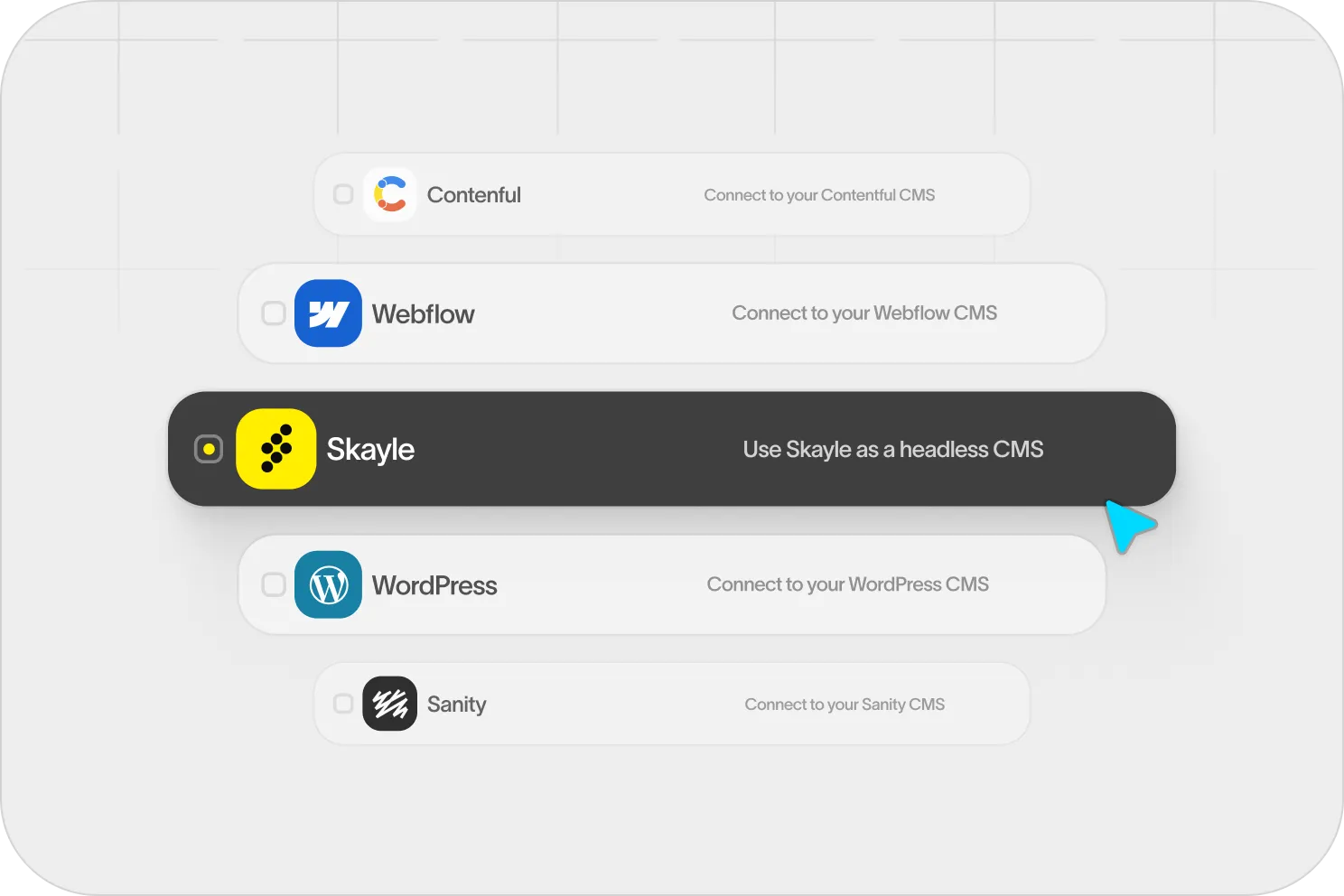
What a modern CMS
should do.
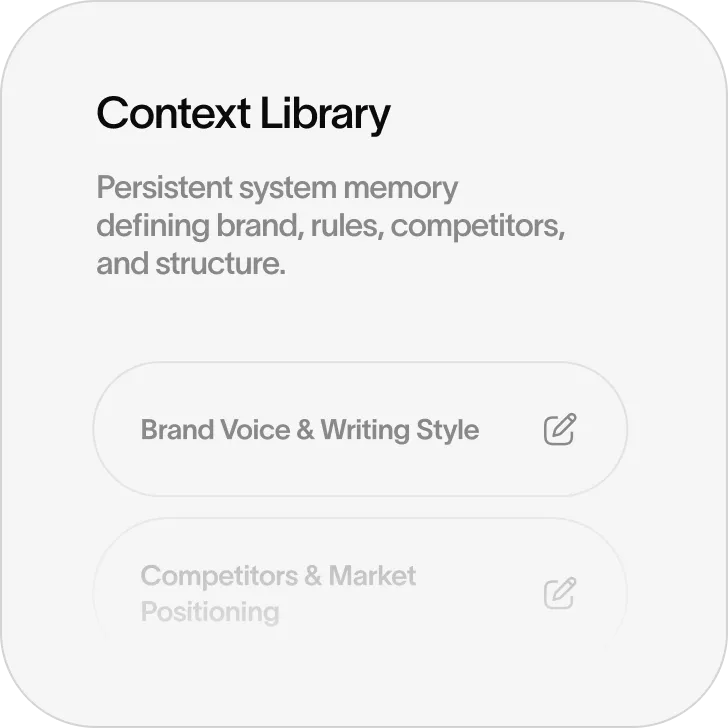
The Context Library isn’t a document store.
It’s structured system memory.
Single source of truth
One place where content is defined, structured, and owned.
Structured by default
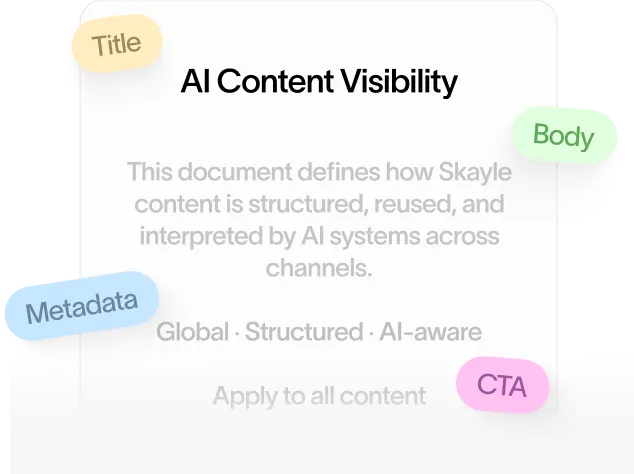
Content exists as reusable objects, not free-form pages.
System-native
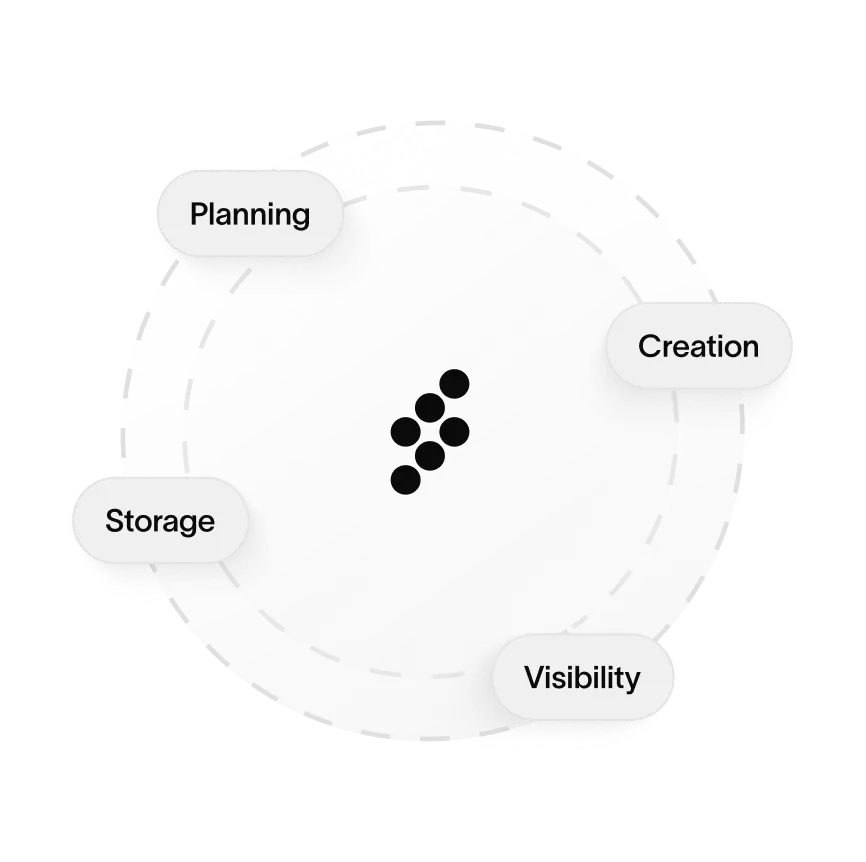
Planning, creation, storage, and visibility live together.
Built for automation
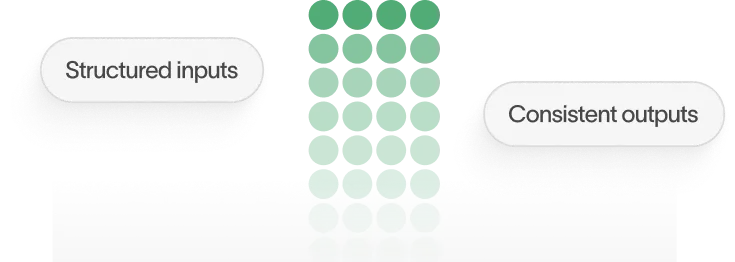
Structure and governance enable scale without cleanup.
Context-aware
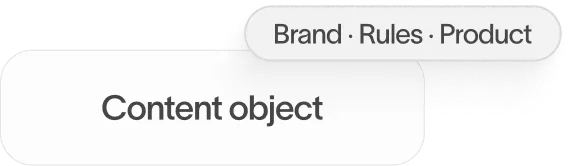
Every piece of content understands the brand and rules it belongs to.
Skayle as your
system of record
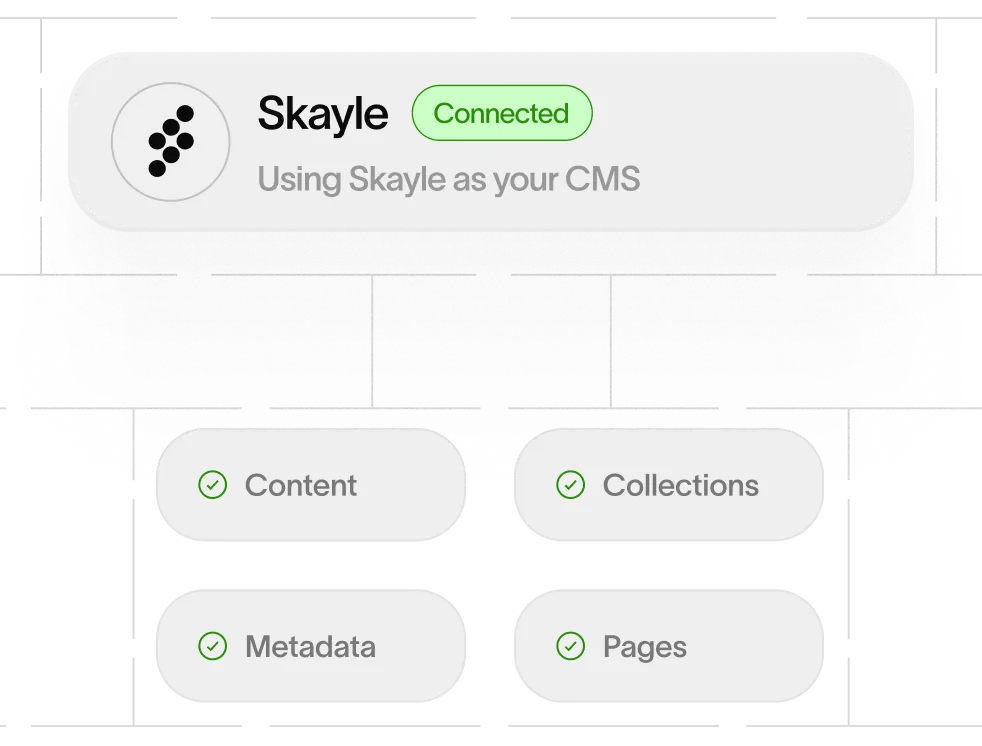
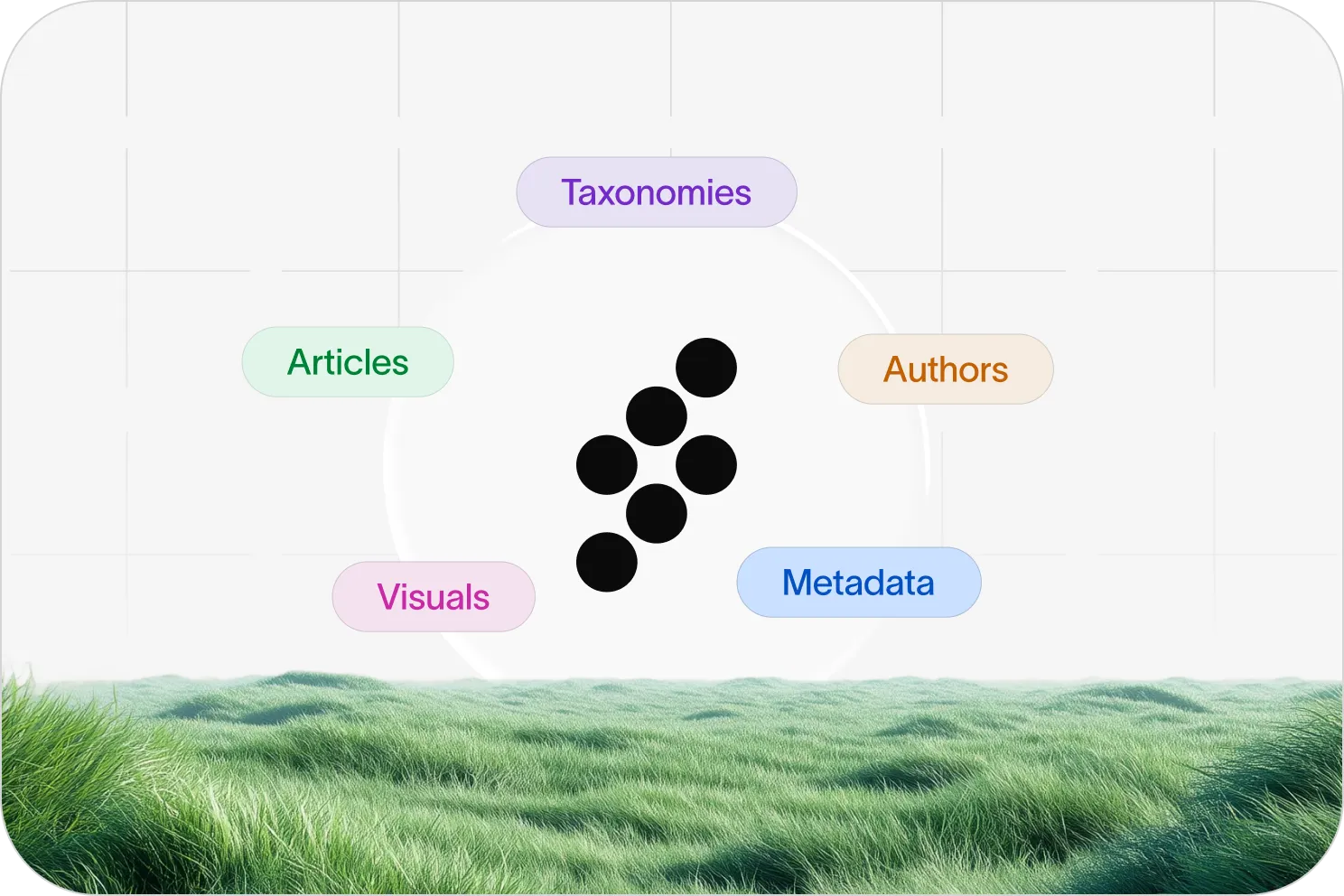
In Skayle, content is created, structured, stored, and served from one system. Articles, metadata, authors, taxonomies, and visuals all live where decisions are made.
There’s no syncing between tools and no secondary CMS to manage. Skayle becomes the foundation your content ecosystem is built on.
Built to be consumed,
not stitched together
Skayle doesn’t just store content. It delivers it in a form that’s ready to be consumed by modern sites and applications.
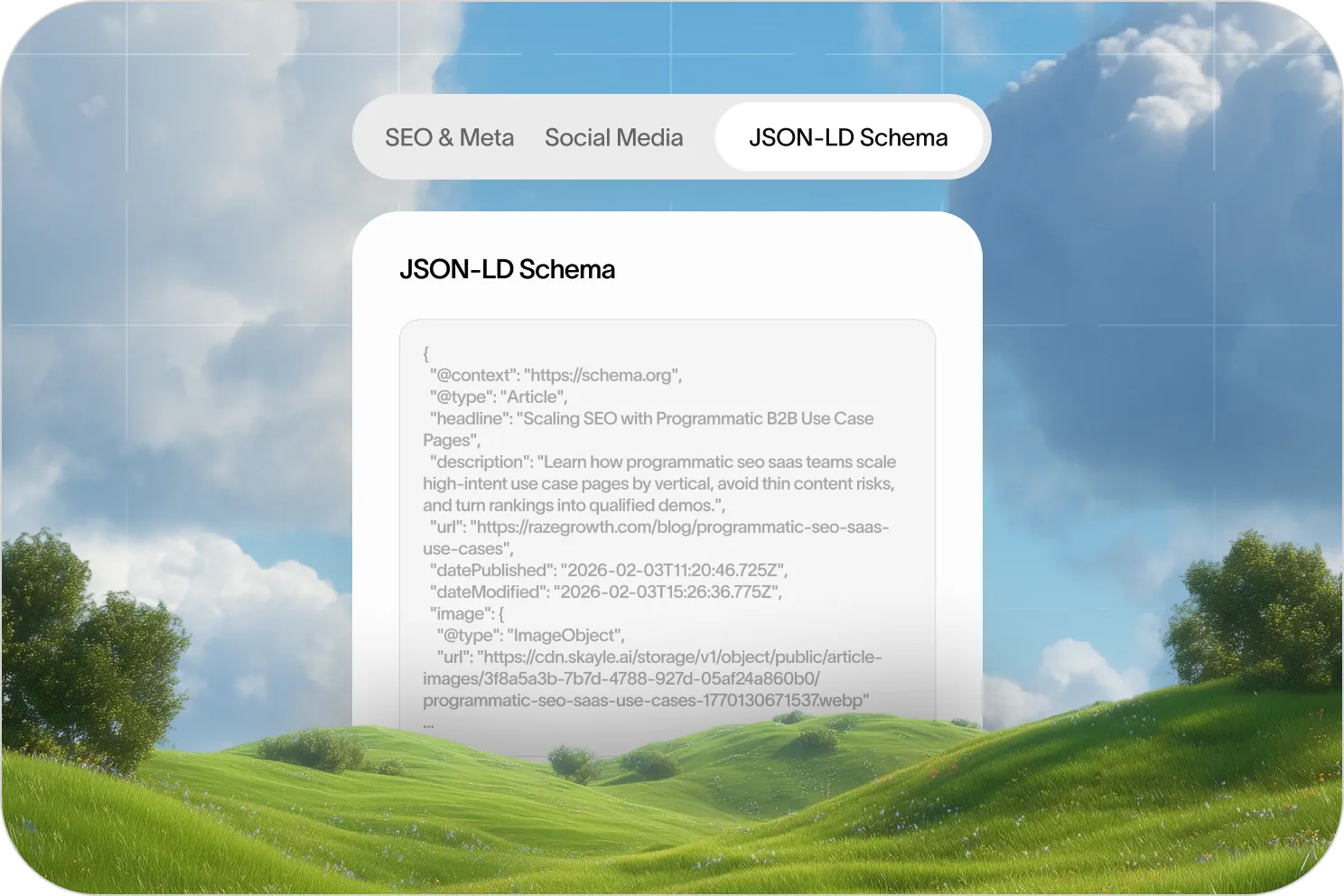
Each article is delivered as a fully structured object, with SEO, JSON-LD schema, and social metadata included by default. Your frontends consume complete content, not fragments.
The result is content that travels cleanly across websites without additional systems, transformations, or manual SEO work.
Taxonomies,
handled automatically
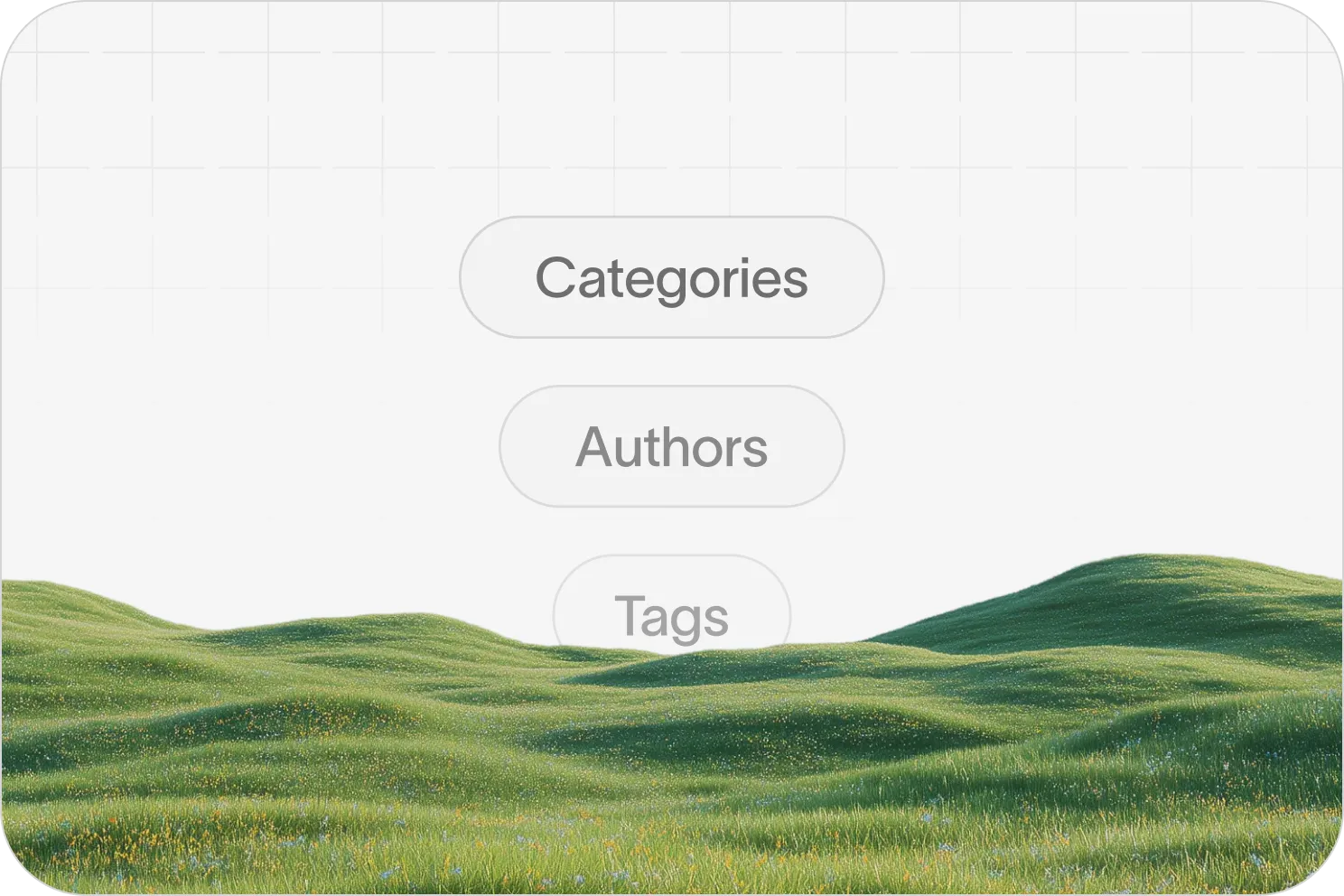
Skayle treats structure as a first-class concern. Categories, tags, and authors are assigned automatically during content creation using the same context and rules that guide the system.
Every article is placed where it belongs the moment it’s created. As volume increases, structure stays clean, consistent, and intentional without reviews, drag-and-drop, or manual fixes.
Content doesn’t exist in isolation.
Context powers the
entire system
The Context Library sits beneath every decision Skayle makes.


How the ecosystem
works in practice
ASV informs what gets created
AI search visibility highlights where your brand is missing, shaping what content is produced next.
Content is created with full context
Every piece is authored inside a system that already understands brand, structure, and intent.
Structure is enforced automatically
Taxonomies, authors, and metadata are applied during creation, not after publishing.
Content lives where decisions are made
Because Skayle is the CMS, planning, creation, storage, and delivery happen in one place.
Context that evolves, not resets
Context in Skayle isn’t static. It’s refined over time.
Observe
AI visibility reveals gaps and opportunities.
Decide
The system prioritizes what to create next.
Create
Content is produced with full context and structure.
Store & Serve
Content lives in Skayle and is delivered everywhere.
Learn
Outcomes refine future decisions.
What teams unlock with the Skayle CMS
Lower long-term infrastructure cost
Fewer migrations and rebuilds
Clean structure at any scale
Faster iteration across surfaces
A content foundation that’s hard to replace
Structure survives all the way to delivery
Keep fields, taxonomies, metadata, canonical state, and synchronization outcomes visible across the content lifecycle.
CMS architecture & migration
Scope CMS architecture or migration work around Skayle CMS or a supported destination.
ExploreSchema & field mapping
Align collection fields, taxonomies, authors, and destination models before content is synchronized.
ExploreStructured data & metadata
Carry metadata, schema-related fields, social data, and content structure with every content item.
ExplorePublishing systems & sync
Validate destination structure and keep Skayle publish state distinct from external CMS sync outcomes.
ExploreCanonicals & redirects
Protect canonical ownership and keep redirect changes reviewable when content is consolidated.
ExploreAPI & agent integrations
Connect approved workflows through authenticated, organization-scoped APIs and MCP with confirmation and audit controls.
ExploreIf Skayle runs your content system, it should store it too.
Frequently asked questions

Standardize on a system, not a stack.
Skayle combines content creation, structure, storage, and AI visibility into a single operating system built for modern search.