
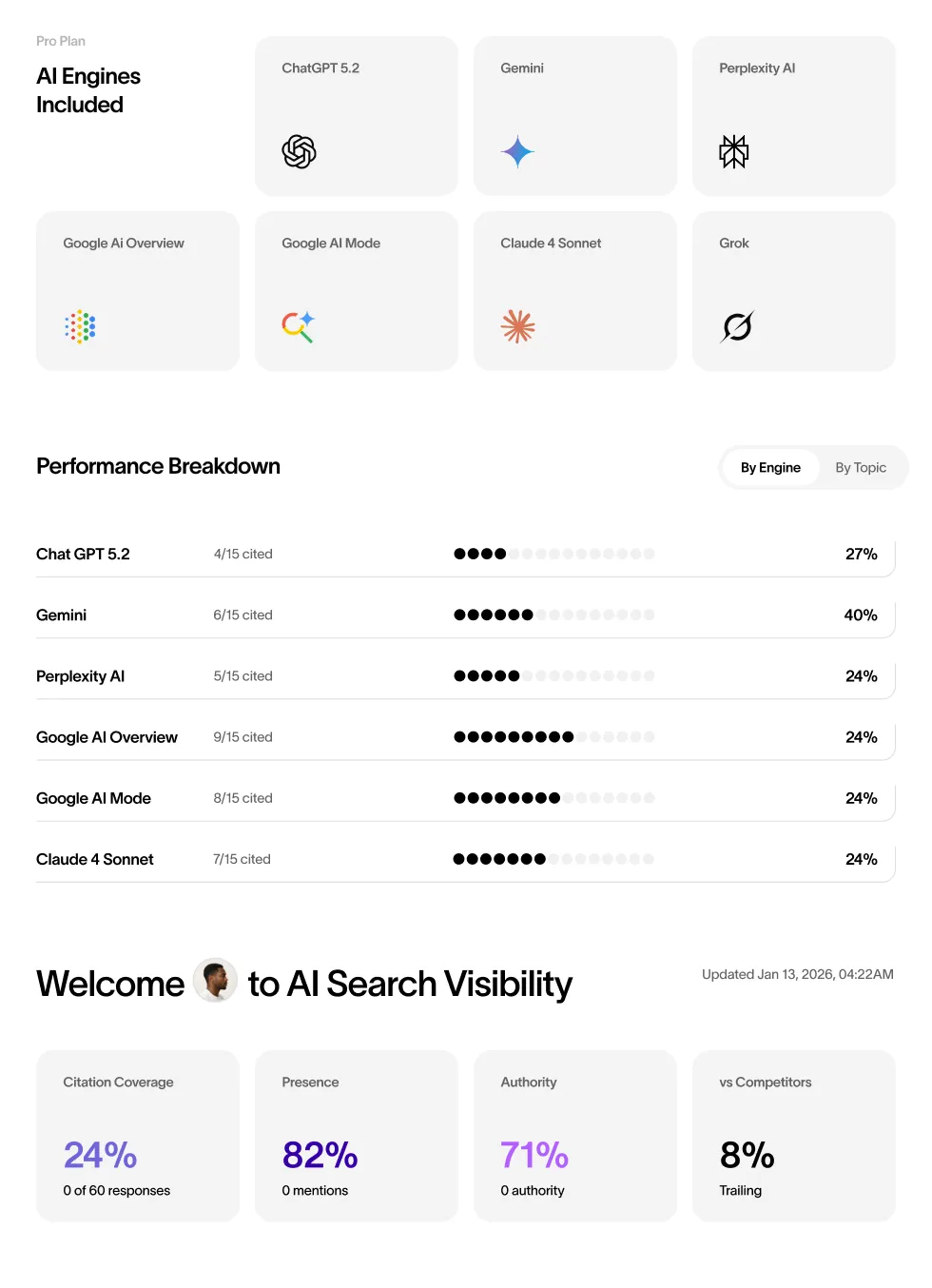
Visibility for how software is discovered now
SaaS discovery no longer happens only through rankings and clicks. Buyers get answers from AI systems, compare vendors before visiting websites, and form opinions earlier in the journey. Skayle helps software companies win traditional search and AI-driven discovery from a single system.
Your content still works.
The surface just expanded.
Most software companies are doing the right things. They invest in content, optimize for SEO, build topic clusters, and publish consistently. Rankings still matter and still drive demand. But discovery has expanded. Buyers now ask AI tools questions like “best CRM for small teams,” “Stripe alternatives,” or “how to choose an analytics platform.” Those systems summarize the market, cite a handful of sources, and shape perception before anyone clicks.
Growth doesn’t disappear.
It gets diluted across more surfaces.
Search didn’t disappear,
 it expanded.
What software visibility
looks like now
Modern software discovery is layered.
Winning now means performing across all of these layers.
Traditional rankings
Pages still rank and still matter for demand capture.
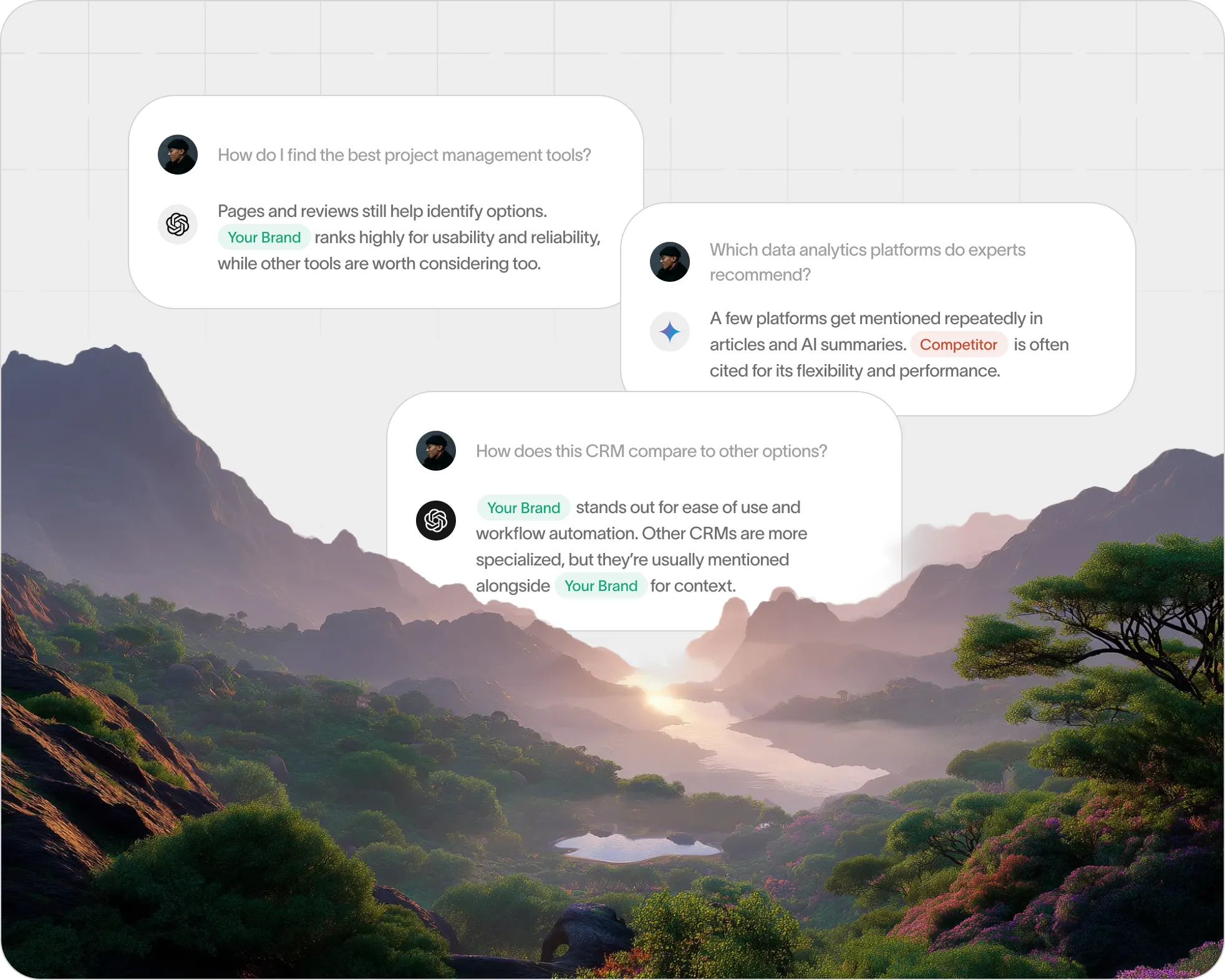
AI answers
Search engines and AI tools synthesize answers instead of listing links.
Citations and mentions
A small set of sources are repeatedly referenced.
Category explanations
AI explains markets before buyers evaluate vendors.
Comparative framing
Who gets mentioned alongside competitors shapes trust early.
One system
instead of more tools
As discovery gets more complex, most SaaS stacks get messier. SEO tools for rankings, content tools for production, CMSs for publishing, and separate tools for AI visibility checks.
Skayle unifies this into a single system. Content planning, creation, structure, publishing, and visibility intelligence all live in one place, driven by the same context and feedback loops.
Instead of reacting to surface-level metrics, teams operate from a shared system of truth.
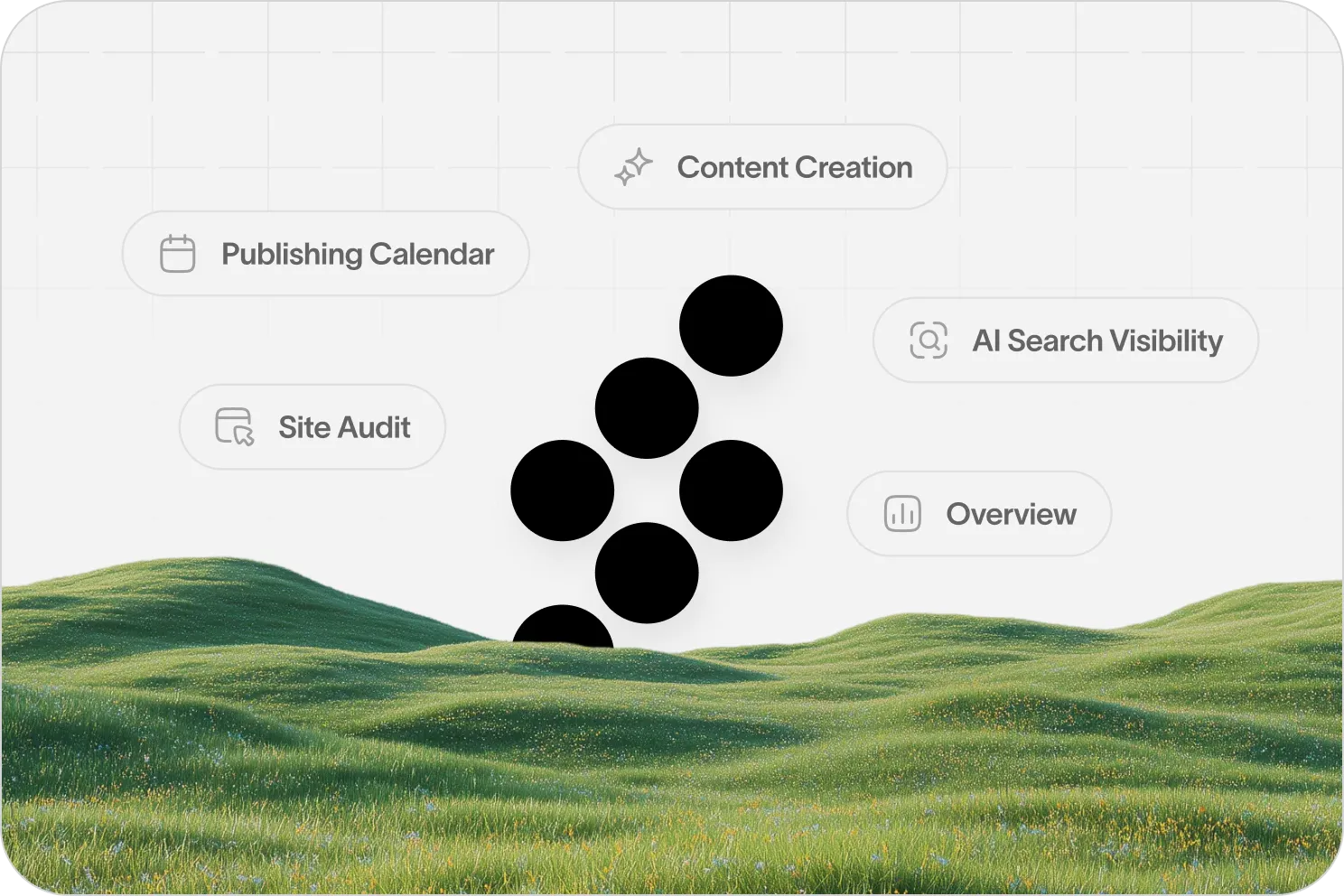
Built for how software teams
actually operate
Gap-driven topic strategy
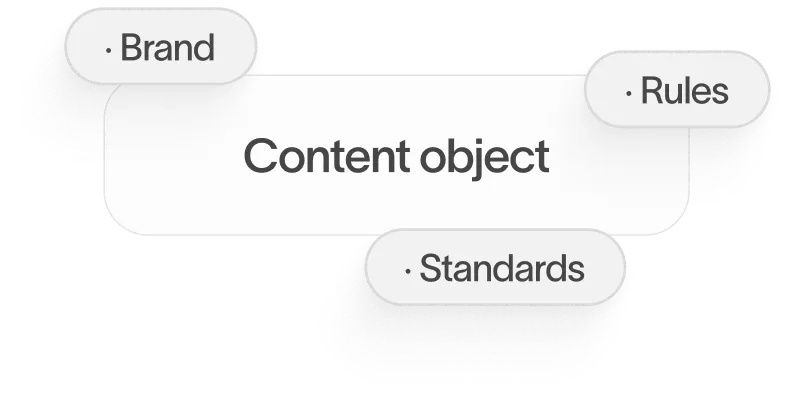
Topics are prioritized based on where competitors are cited and your product is missing.
Search-powered research
Every article starts with SERP analysis. Skayle checks top Google results and common questions to plan structure and coverage before writing.
Structured by default
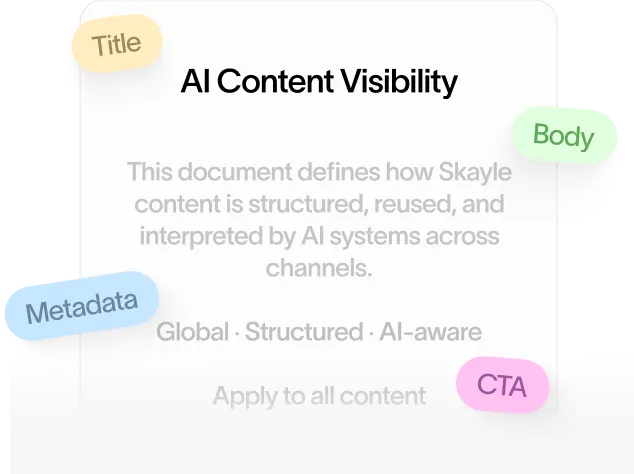
Articles are created as structured objects with schema, metadata, and internal logic applied automatically.
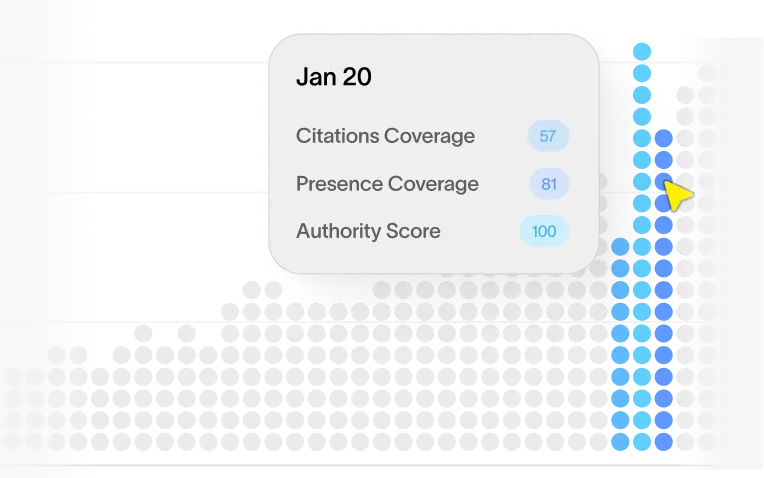
AI visibility tracking
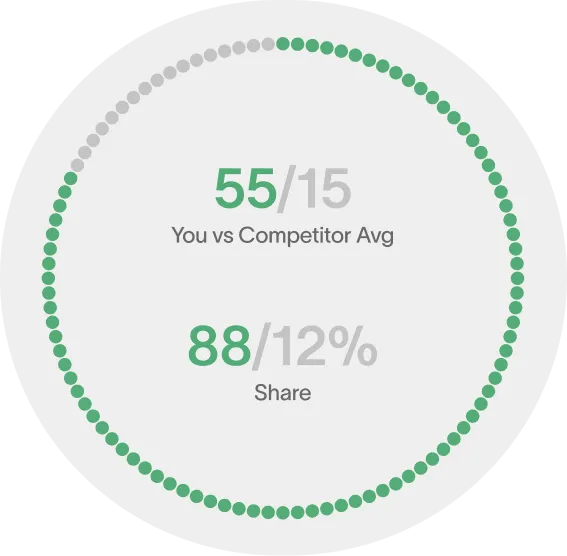
Track how your brand appears in AI answers across engines, not just rankings.
Headless delivery
Content is consumed via API as complete objects, including SEO and structured data.
CMS as system of record
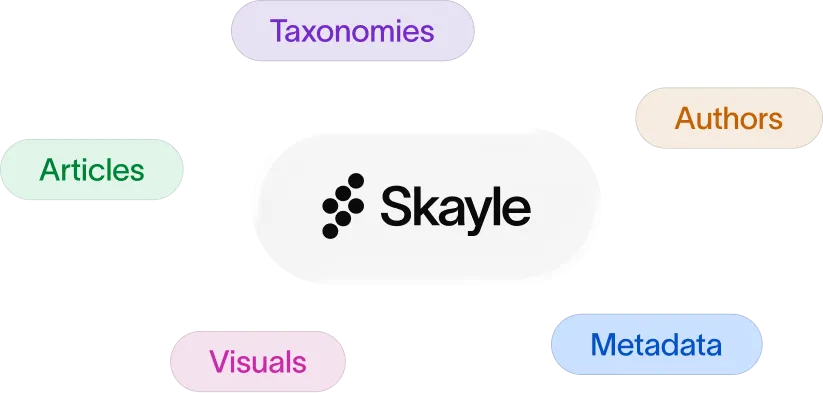
Content lives in Skayle, not scattered across tools.
Technical
where it matters
Skayle is designed to fit into modern SaaS stacks without compromise.
Content is stored and delivered as structured objects through a headless API. SEO-critical fields such as JSON-LD schemas, Open Graph metadata, canonical logic, and content structure are included by default, not bolted on later.
This makes Skayle content easy to consume by frontends, scalable across products and markets, and ready for both traditional SEO and AI-driven consumption.
Built for scale, governance,
and complexity
Software companies rarely have one product, one ICP, or one market. Skayle supports multiple products, categories, regions, and content types without breaking structure.
Taxonomies, authors, metadata, and schema are applied automatically during content creation. Context and rules ensure consistency across teams, markets, and time.
Scale doesn’t introduce chaos. It reinforces structure.
What software teams unlock with Skayle
Stronger presence in both search results and AI answers
Clearer category positioning and competitive framing
More qualified discovery before demos
Fewer tools and less rework
Visibility that compounds instead of resetting
Software companies don't win with tactics.
They win with systems.
Built for modern software stacks
Connect structured content models, programmatic systems, APIs, publishing, and selected-property search measurement without flattening everything into pages.
CMS architecture & migration
Scope CMS architecture or migration work around Skayle CMS or a supported destination.
ExploreSchema & field mapping
Align collection fields, taxonomies, authors, and destination models before content is synchronized.
ExploreCustom pSEO infrastructure
Scope structured, repeatable publishing systems around a product, service, collection, or market.
ExploreAPI & agent integrations
Connect approved workflows through authenticated, organization-scoped APIs and MCP with confirmation and audit controls.
ExplorePublishing systems & sync
Validate destination structure and keep Skayle publish state distinct from external CMS sync outcomes.
ExploreGSC & search measurement
Measure clicks, impressions, CTR, and average position for the selected Search Console property and period.
ExploreFrequently asked questions

Win more category demand
in search and AI answers
Skayle gives software companies one system to manage content, structure, and visibility across modern search.