More content will not fix a weak foundation.
Site Audit helps teams identify structural SEO and content weaknesses across existing pages, so new output compounds on a healthier site instead of stacking on top of old problems.
A lot of teams scale content on top of unresolved structural problems
That is backwards. If key pages have thin content, weak metadata, poor internal linking, or slow performance, publishing more content can compound the wrong thing. It adds volume without improving readiness.
Site Audit exists to stop that.
It shows where the existing site is already holding rankings back, so teams can fix the foundation before they push harder on output.
What this page should show
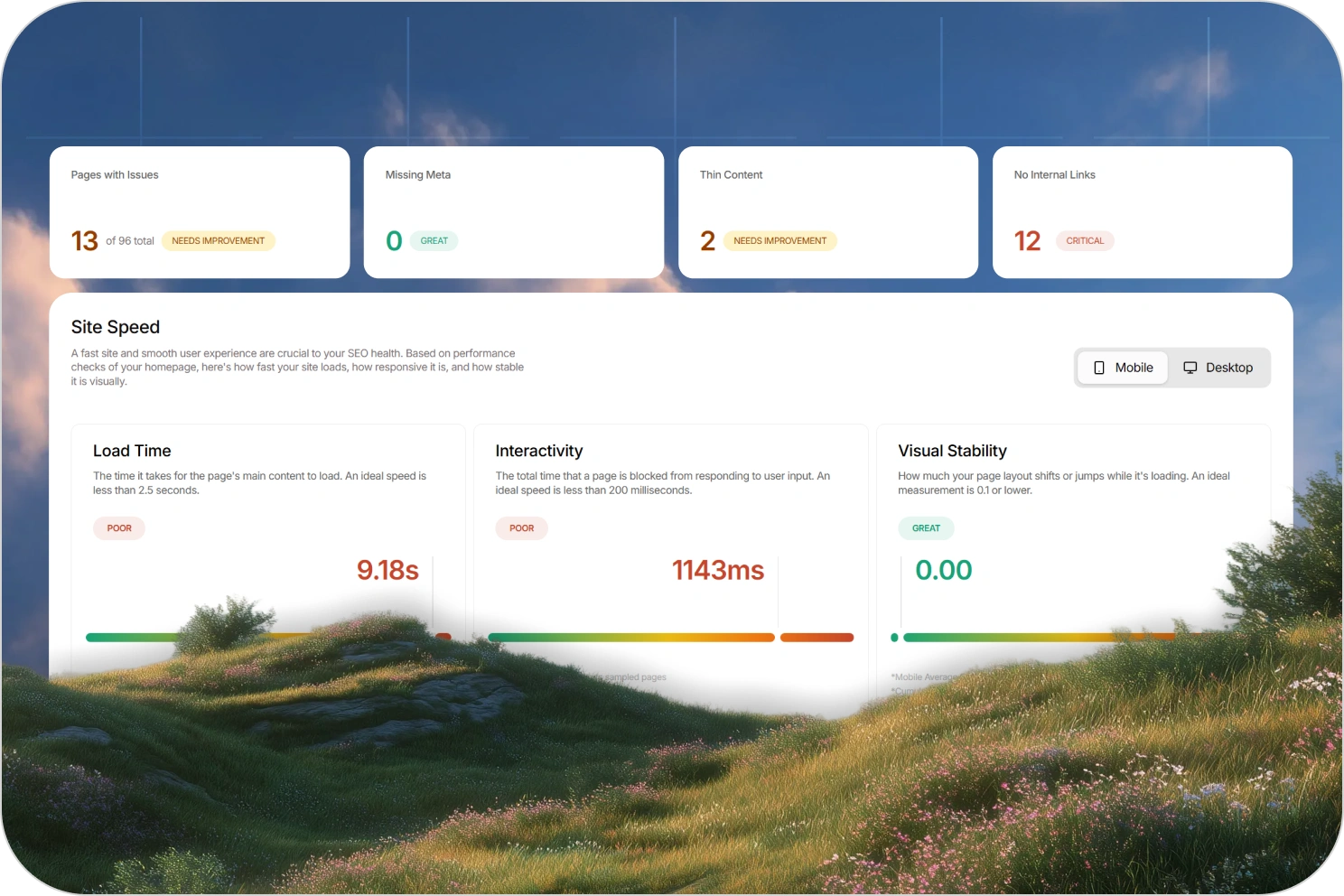
Sitemap-based page discovery
Start with a real inventory of what exists across the site.
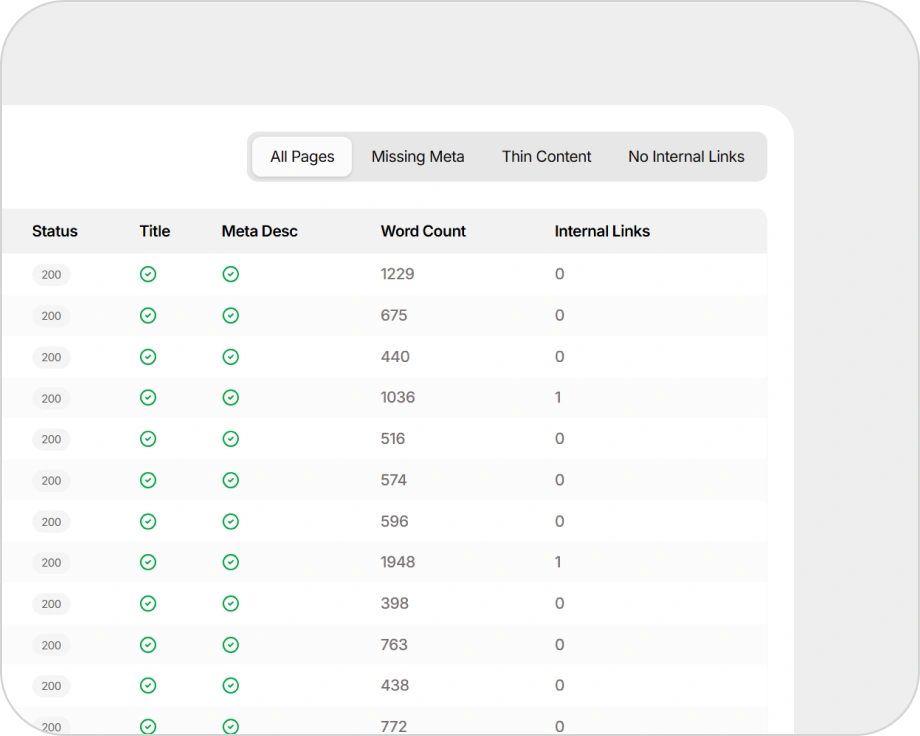
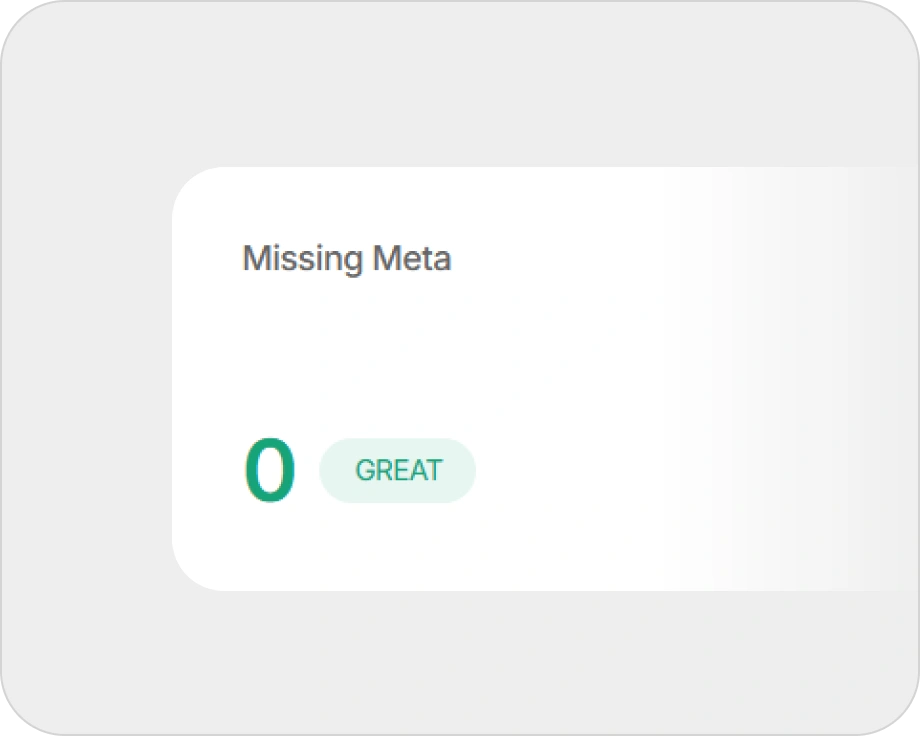
Missing metadata detection
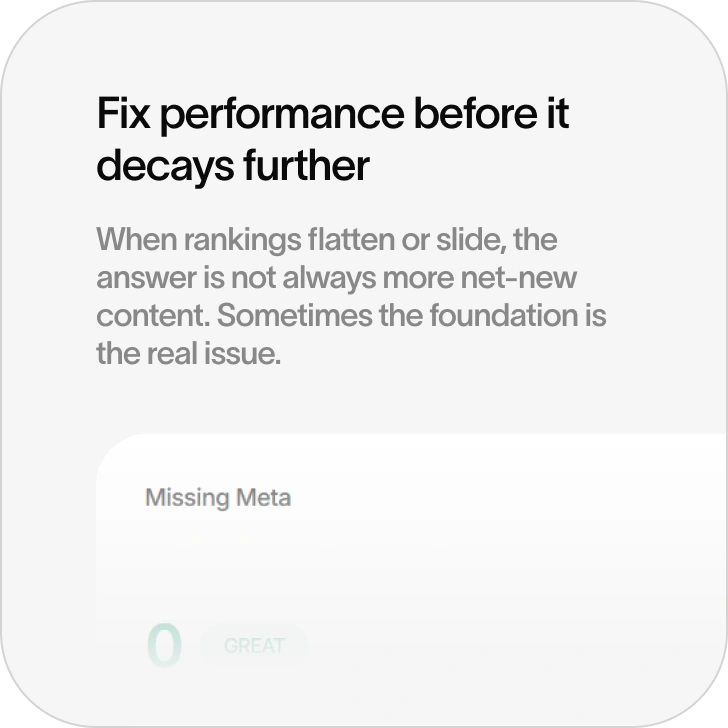
Find pages with weak or missing metadata that reduce clarity and readiness.
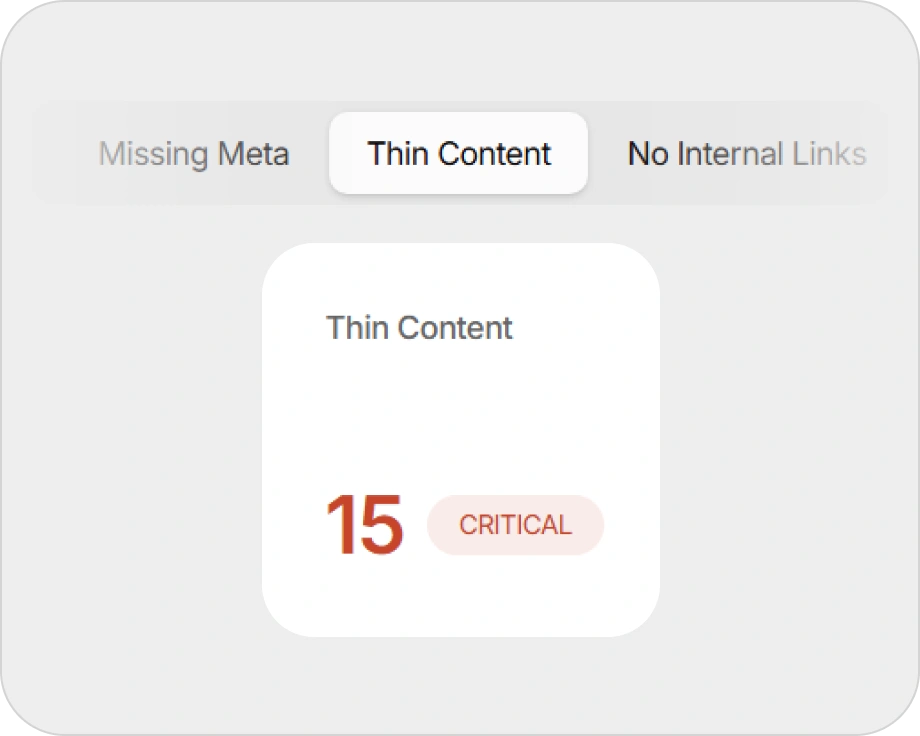
Thin content identification
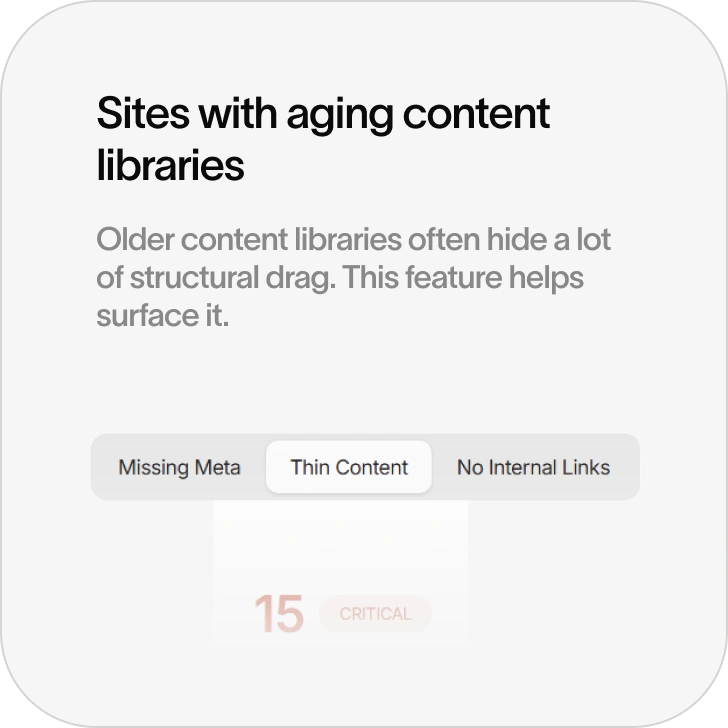
See which pages lack enough substance to support stronger rankings or AI answerability.
Internal linking gap analysis
Find where important pages are isolated or under-supported.
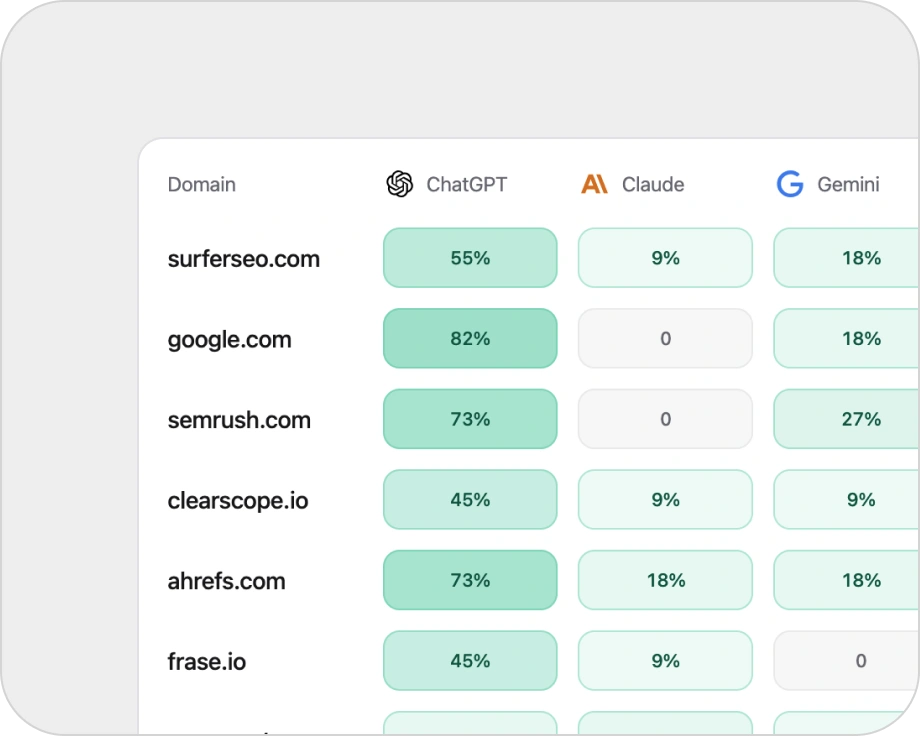
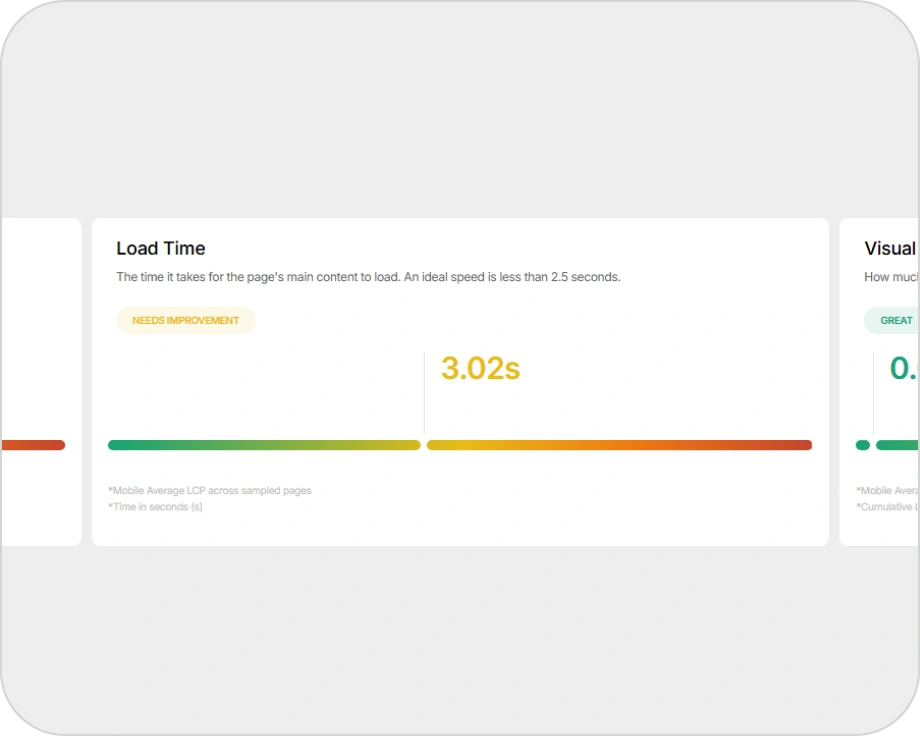
Performance and site speed signals
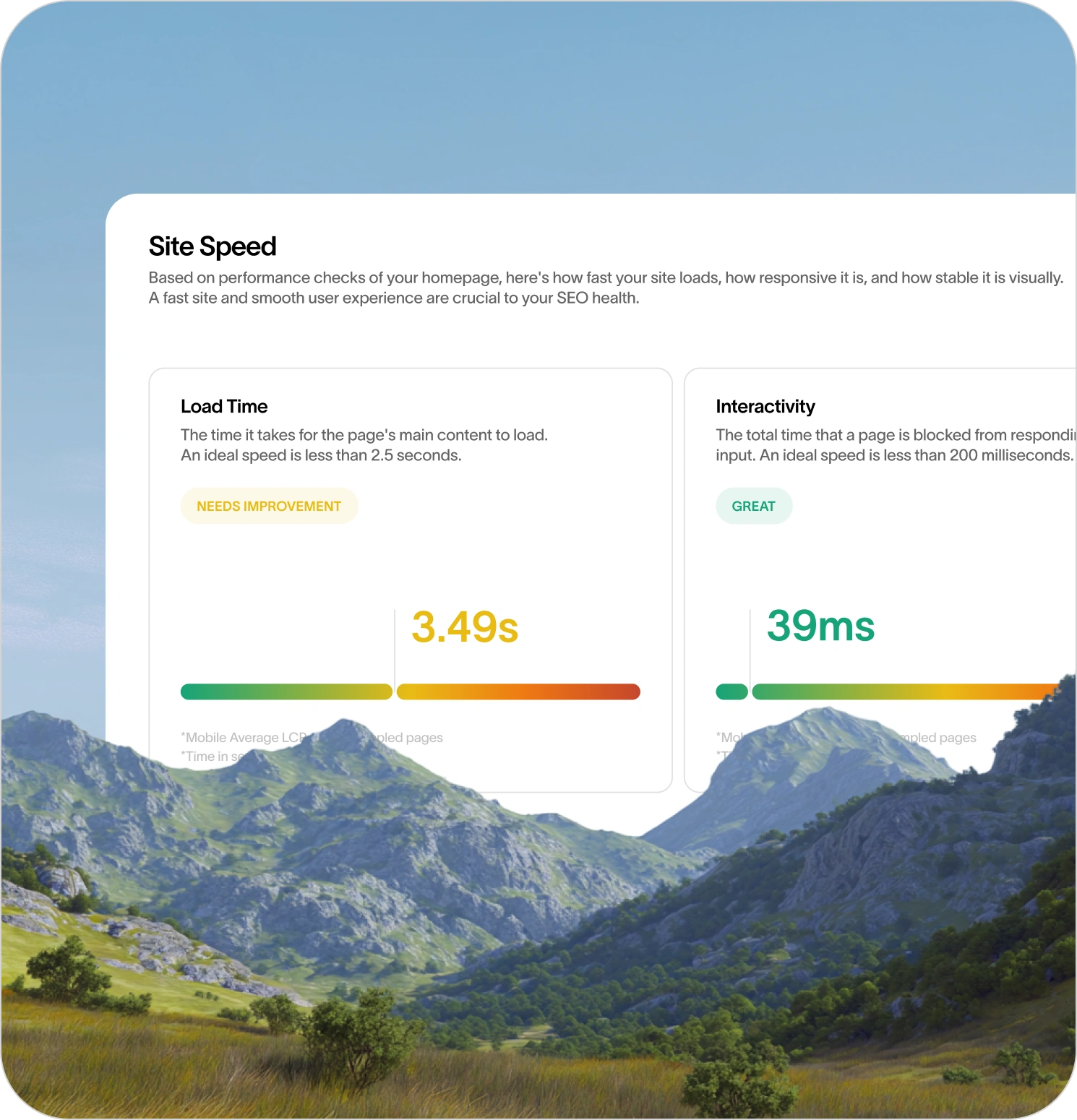
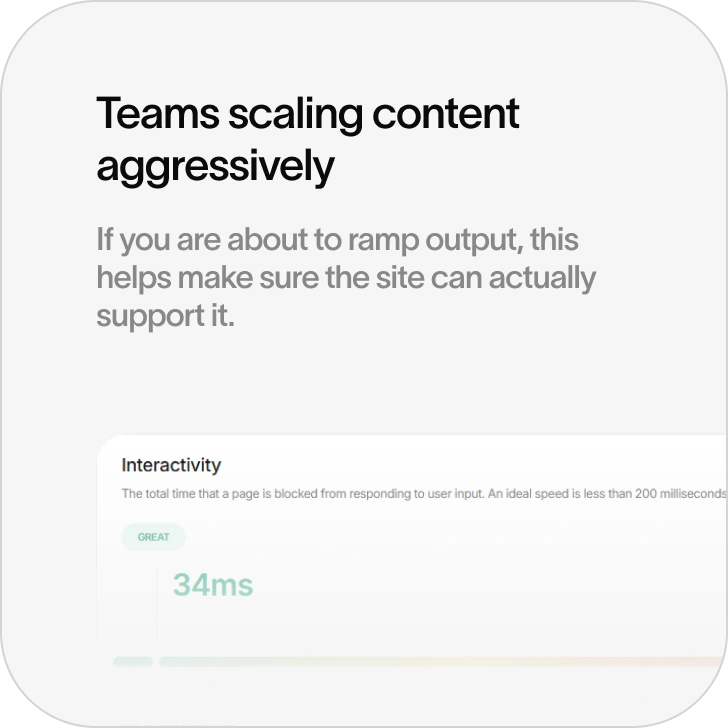
Surface issues like slow-loading pages, Google PageSpeed-style problems, and related technical drag that can weaken the overall system.
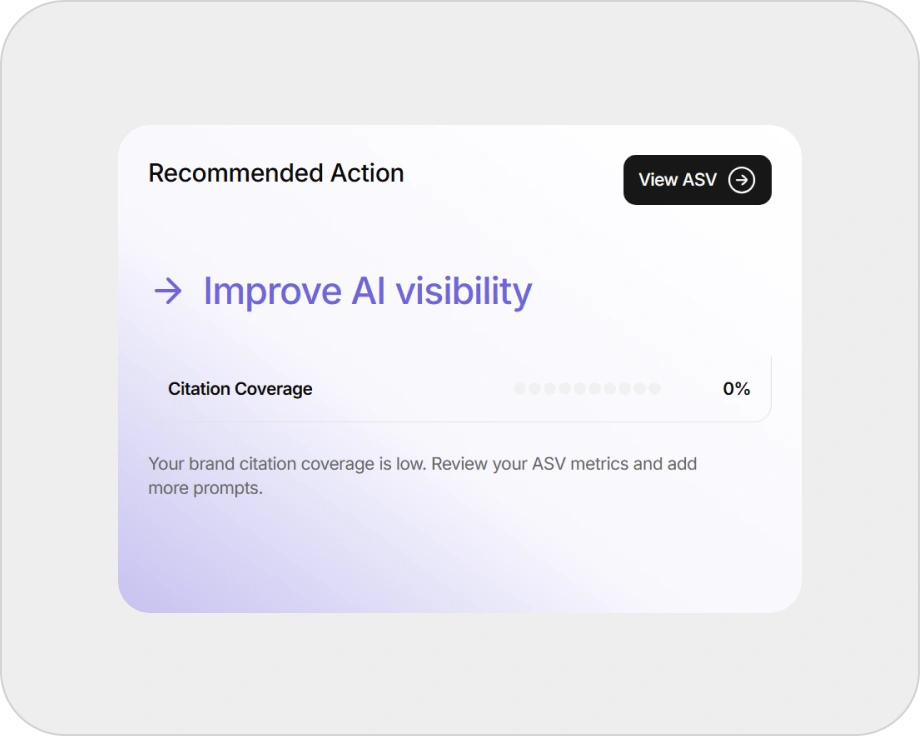
Prioritizable remediation signals
Turn site weakness into a fix list, not a vague report.
Why it matters
Publishing more content on top of weak foundations is not a growth strategy. It is compounding drag.
Site Audit matters because content scale only works when the underlying site is strong enough to support it. Teams need to know which existing pages deserve cleanup, which structural issues are hurting discoverability, and where internal linking or page quality is limiting performance.
This page should make that clear: New content works better when the old site is not fighting it.
How it works
Four steps to fixing the foundation before scaling output.
Crawl the site and inventory pages
Use sitemap discovery and site-level analysis to understand what is actually there.
Surface structural and content issues
Highlight the weaknesses that reduce ranking readiness across the existing library.
Prioritize what deserves remediation first
Not every issue matters equally. The value comes from knowing where to act first.
Feed audit insight into content strategy
Use audit findings to improve internal linking, strengthen existing pages, and make future content more effective.
Best fit
An audit matters when it routes to a fix
Keep crawl scope and findings visible, separate content work from technical remediation, and rerun the audit after implementation.
Site audits & remediation
Turn crawl-scoped findings into content or technical fixes, then rerun the audit to compare.
ExploreCanonicals & redirects
Protect canonical ownership and keep redirect changes reviewable when content is consolidated.
ExploreInternal-link architecture
Use known inventory and canonical ownership to strengthen paths between related content.
ExploreTechnical SEO & AEO
Connect site health, content structure, and answer readiness to the work your team should prioritize next.
ExploreNeed the remediation implemented too?
Done for You can scope technical fixes, content improvements, linking, structured data, and publishing work around the evidence captured for your site.
Frequently asked questions

Fix the pages already holding you back.
Site Audit shows where structural SEO and content issues are weakening performance, so new content compounds on a better foundation.