
TL;DR
If you’re asking what is SEO in 2026, the answer is bigger than ranking on Google. A strong SEO strategy now needs to win search traffic, earn AI citations, and turn that visibility into conversion with clear structure, proof, and authority.
A lot of teams still treat SEO like a publishing calendar problem. Publish enough articles, sprinkle in keywords, wait a few months, and hope traffic shows up.
That playbook was already shaky. In 2026, it breaks faster because the page has to win twice: once in search results, and again inside AI-generated answers.
Why the old SEO playbook keeps underperforming
Here’s the clean answer: SEO is the process of making your content easier for search engines to understand, trust, rank, and surface to the right people.
That definition still holds, but the stakes changed. According to Search Engine Land, SEO helps search engines understand content so they can connect it with users through relevant, valuable results. That sounds basic, but it matters more now because AI answer engines also rely on clear, trustworthy source material.
If you’re asking what is seo in 2026, the practical answer is broader than “ranking on Google.” You’re building pages that can:
- rank in traditional organic results
- get pulled into AI Overviews and answer engines
- earn citations because they are clear and trustworthy
- convert traffic once people actually land on the page
That’s the new funnel:
impression -> AI answer inclusion -> citation -> click -> conversion
Most teams only optimize the last two steps. They obsess over blog output, then wonder why traffic is flat and branded conversions are weak.
I’ve seen this happen in SaaS again and again. A team publishes 40 articles in a quarter, gets a handful of long-tail rankings, then realizes none of the pages are authoritative enough to be cited, linked, or trusted. The problem isn’t volume. It’s that the content has no structure, no proof, and no real point of view.
According to Moz, SEO involves improving content, structure, and visibility to rank higher in search results. That three-part idea is useful because it forces a more honest audit. If the page is weak in any one of those areas, performance drops.
The point of view that matters now
In an AI-answer world, brand is your citation engine.
AI systems don’t just pull the page that mentions a keyword. They pull sources that look reliable, specific, and useful. That means generic content is not just boring. It is structurally disadvantaged.
This is also why I’m contrarian on one point: don’t start with keywords alone; start with claims you can credibly own. Keywords still matter. But if five companies target the same phrase and only one brings a strong point of view, real examples, and a clear explanation, that page has a better shot at earning both rankings and citations.
If you want a broader definition of where this is heading, we’ve covered that shift in our guide to SEO in 2026.
Start with the business questions your market is already asking
A workable SEO strategy starts with intent, not content formats.
This is where many teams get lost. They begin with, “We need ten blog posts this month.” That’s backwards. You need to know what your buyers are trying to understand, compare, fix, or justify.
When someone searches what is seo, they usually mean one of five things:
- They want a plain-English definition.
- They want to know how SEO works.
- They want to know whether SEO still matters.
- They want beginner steps they can actually follow.
- They want examples that make the concept concrete.
Those are not random content ideas. They are demand signals.
According to Semrush, SEO is about improving visibility in search engines without paying for ads. According to Digital Marketing Institute, the focus is on free, organic, editorial, or natural search results. Put together, that gives you the business case: SEO compounds because you’re building discoverability that does not reset the moment ad spend stops.
For SaaS, that matters because paid acquisition gets expensive fast. If your CAC is under pressure, SEO is one of the few channels where authority can stack over time.
Use the search-to-citation map
This is the named model I use for planning pages that need to perform in both Google and AI answers. It’s simple enough to reuse:
- Question: What exact problem is the reader trying to solve?
- Evidence: What proof, examples, or source support can you offer?
- Structure: Is the answer easy to scan, quote, and extract?
- Conversion: What should the visitor do after they trust you?
That’s the search-to-citation map.
If a page misses the question, it won’t rank well. If it misses evidence, it won’t be trusted. If it misses structure, it won’t be cited. If it misses conversion, the traffic won’t matter.
This sounds obvious until you audit a real site. Then you realize half the pages answer vague topics, most have no proof, and nearly all bury the actual takeaway under filler.
What to collect before you write anything
Before a single draft starts, gather four things:
- the primary query and close variants
- the buyer stage behind the query
- the proof you can include
- the next action you want from the reader
For example, if the topic is what is seo, the buyer may be early-stage. They need clarity first, not a hard sell. But that doesn’t mean the page should be soft or shallow. It should define the topic, explain why it matters now, show what good SEO includes, and create a path to a deeper commercial topic later.
That’s also where internal linking matters. If the reader starts with a beginner query, you can naturally guide them into related topics like avoiding low-quality AI content or recovering visibility from AI Overviews once they understand the basics.
Build pages that deserve both rankings and citations
A lot of SEO advice still stops at “write helpful content.” That’s too vague to execute.
What actually works is building pages that are easy to evaluate. Search engines and AI systems both reward content that makes trust decisions simple.
According to Michigan Technological University, effective SEO requires creating authoritative content that helps both visitors and search engines. That idea is more important than ever because authority is not just a ranking factor in practice. It is a citation filter.
What a citation-friendly page looks like
A page that gets cited usually has a few traits:
- a direct definition near the top
- clear headings that match search intent
- short answer-ready paragraphs
- examples that don’t feel generic
- source-backed claims where specificity matters
- a visible point of view
- a logical next step
Think about how people use AI answers. They ask broad questions, skim a synthesized response, notice a cited source, and then click when the source seems more concrete than the answer itself. Your page has to be that source.
That means you should write sections people can quote without rewriting. A 50-word paragraph that cleanly explains a concept is often more valuable than a 300-word block that says the same thing badly.
A concrete before-and-after example
Here’s a realistic pattern I’ve seen in audits.
Baseline: A SaaS company has a “what is SEO” article that gets impressions but weak clicks. The page starts with 180 words of vague intro, defines SEO in three different ways, has no examples, and no internal path to product-relevant topics.
Intervention: We rewrite the opening with a one-sentence definition, add sections on how SEO works, what beginners should do first, and how AI citations change the goal. We add a comparison between organic visibility and paid traffic, include natural links to deeper topical pages, and tighten every paragraph to answer a specific question.
Expected outcome: Better click-through rate from search, more time on page, stronger internal progression into commercial pages, and higher odds of citation because the content is easier to extract.
Timeframe: You can usually measure early engagement changes within 2 to 6 weeks and ranking movement over the next few months, depending on authority and competition.
Notice what I did not claim. No fake traffic percentage. No invented “we grew 312%” story. The honest proof here is process evidence and a clear measurement plan.
Design choices affect SEO more than teams admit
This part gets ignored because it sounds like a design problem, not an SEO problem.
But if your page is hard to scan, loaded with visual clutter, or buries the answer below giant hero sections, you hurt both rankings and conversions. A useful SEO page should make the primary question easy to answer in seconds.
A few practical rules:
- Put the definition high on the page.
- Use subheadings every 150 to 200 words.
- Keep paragraphs short.
- Add bullets where comparison or process matters.
- Make the CTA relevant to the topic stage.
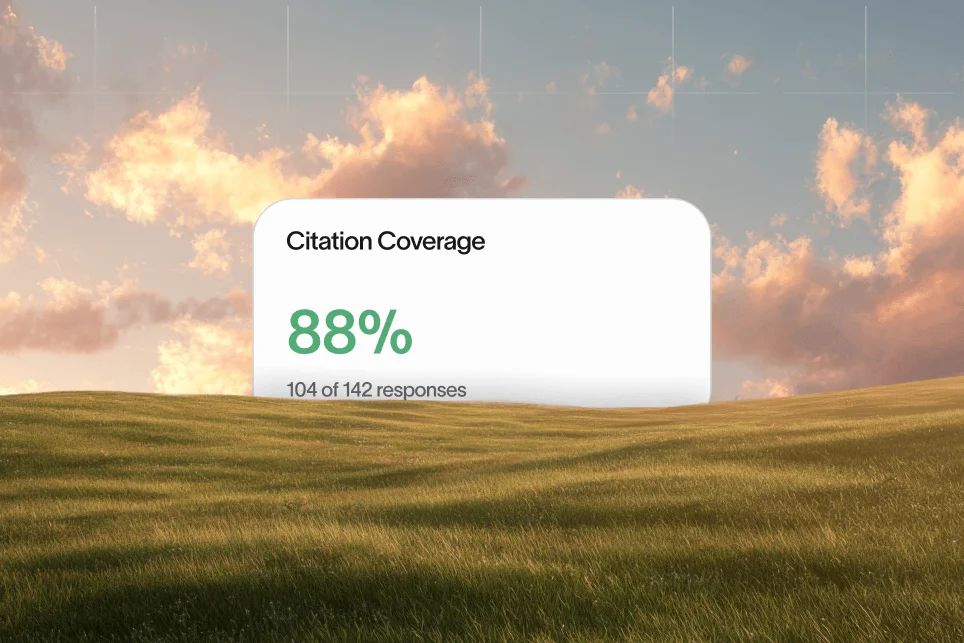
If the page is educational, the CTA should not scream “book a demo” in paragraph two. A softer move is better. For example: measure your AI visibility, review your citation coverage, or explore a related guide.
That’s also where a platform like Skayle fits naturally. If your team is trying to build pages that rank in search and appear in AI answers, it helps to use a system that connects content planning, optimization, and visibility tracking instead of treating them as separate jobs.
The weekly workflow I’d use if I had to rebuild from scratch
If I joined a SaaS team tomorrow and had to restart SEO from zero, I would not begin with a giant keyword spreadsheet. I’d begin with a tight weekly operating rhythm.
Here’s the version that actually holds up.
Week 1: Audit what already exists
Start with the pages you already have.
Look for:
- pages with impressions but weak clicks
- pages ranking on page two or three
- posts with outdated definitions or examples
- articles with no obvious internal links
- content that has traffic but no conversion path
You don’t need more content if the existing library is bloated and weak. In many SaaS sites, the fastest lift comes from tightening what’s already indexed.
Week 2: Group topics by intent, not just keywords
Build clusters around what the reader is trying to do.
For example:
- Definition intent: what is seo, what is technical seo, what is programmatic seo
- How-to intent: how to do seo, how to refresh blog content, how to optimize for AI answers
- Comparison intent: seo vs ppc, geo vs seo, in-house seo vs agency
- Decision intent: best seo tools for SaaS, when to invest in content ops
This is where teams usually overcomplicate things. You do not need hundreds of topic buckets. You need a manageable set of commercial and educational clusters tied to actual buyer questions.
Week 3: Rewrite pages around extractable answers
Now improve one cluster at a time.
Use this numbered checklist on every page:
- Write a direct answer in the first 100 words.
- Match each section to a real search sub-question.
- Add one concrete example that a generic competitor would struggle to copy.
- Support factual claims with approved sources.
- Add internal links that move the reader deeper into the topic.
- Make the CTA fit the intent of the page.
- Update the page again after initial performance data comes in.
This is where many teams create AI slop by accident. They draft fast, ship faster, and skip editing. The result is searchable but forgettable. If that’s a recurring problem, this advice pairs well with our guide on cleaning up AI-assisted content.
Week 4: Measure the right signals
Don’t just look at sessions.
Watch:
- impressions by topic cluster
- click-through rate on top pages
- ranking movement for target queries
- internal click paths into commercial pages
- assisted conversions from organic entries
- AI answer inclusion and citation presence where possible
This is where reporting often falls apart. Teams produce dashboards that describe traffic but don’t guide action.
A better review asks three questions:
- Which pages are close to winning?
- Which pages are visible but unconvincing?
- Which pages are useful enough to be cited?
That last one matters more than many marketers think. AI visibility is still uneven and difficult to measure cleanly, but it is now part of the real discoverability layer. If you ignore it, you’re only managing half the surface area.
Common mistakes that quietly kill performance
Most SEO failure is not dramatic. It’s death by small bad decisions.
Chasing volume before authority
Publishing ten shallow articles is usually worse than publishing two strong ones.
If your site lacks depth, every weak article makes topical authority fuzzier. You don’t need more indexable pages. You need more pages worth citing.
Treating SEO and conversion as separate jobs
I still see teams send SEO traffic to pages with weak UX, confusing CTAs, and no message continuity.
If the promise in search is “what is seo,” the page should define SEO clearly, explain how it works, and then offer the next logical action. Don’t dump beginners into a sales page with no bridge.
Writing without proof
A page can be well-written and still feel untrustworthy.
That usually happens when every claim is generic. Add sources for factual definitions. Add examples from real workflows. Add a specific scenario. Even one grounded example can change how credible the page feels.
Ignoring refresh cycles
SEO pages decay quietly.
Definitions change. SERPs change. AI Overviews change what gets clicked. If you publish once and never revisit, your strongest content eventually turns stale. That’s one reason content refreshes are now core SEO work, not cleanup work.
Confusing tools with systems
Some teams buy one more platform and expect the mess to disappear.
Tools help, but they do not replace a workflow. The win comes from aligning research, drafting, updating, and measurement. That’s why the best systems connect ranking performance with AI visibility instead of treating them as separate reports.
What beginners should actually do first
If you’re early and still asking what is seo because you’re trying to get started, keep it simple.
Do these five things first:
- Pick a narrow topic your market already searches for.
- Create one page that answers that topic better than your current competitors.
- Structure the page so the answer is easy to skim and quote.
- Link it to two or three related pages on your site.
- Revisit it after the first wave of impressions and improve what’s weak.
That is a better starting point than building a giant content calendar you can’t maintain.
A founder-led team can do this without a huge budget. The mistake is trying to look like a media company too early. Start by owning a few questions deeply.
If you want one practical benchmark for quality, ask this: if an AI assistant cited your page tomorrow, would the citation make your brand look credible or generic?
That question changes how you write.
The questions people ask after they understand the basics
What is SEO and how does it work?
SEO is the practice of improving your website so search engines can understand it, trust it, and show it to people searching for relevant topics. According to Search Engine Land, this is about helping search systems connect users with relevant, valuable content.
Is SEO different from paid search?
Yes. SEO focuses on earning visibility in organic results instead of paying for placement. As Digital Marketing Institute explains, SEO targets free, editorial, and natural search visibility rather than paid ads.
Does SEO still matter when AI gives direct answers?
Yes, but the goal is bigger now. You want your pages to rank and to serve as trusted source material for AI answers. That means clarity, authority, and structure matter more than generic volume.
Can beginners do SEO by themselves?
Yes, especially at the early stage. You can start with a focused topic, a strong page, and a basic measurement setup. The key is to avoid shallow publishing and pay attention to how people search, click, and move through your site.
What should a good SEO page include in 2026?
A good page should include a direct answer, strong structure, useful examples, internal links, source-backed claims where needed, and a next step that fits user intent. If the page is also easy for AI systems to quote, even better.
Where SEO is going next for SaaS teams
The simplest answer to what is seo is still useful. But it is no longer enough.
SEO now sits inside a larger visibility system. You are not only competing for blue links. You are competing to become the source that search engines rank and AI systems cite.
That changes how you prioritize work. You refresh more. You care more about extractable answers. You write fewer vague intros. You stop treating authority like a branding side project and start treating it like distribution infrastructure.
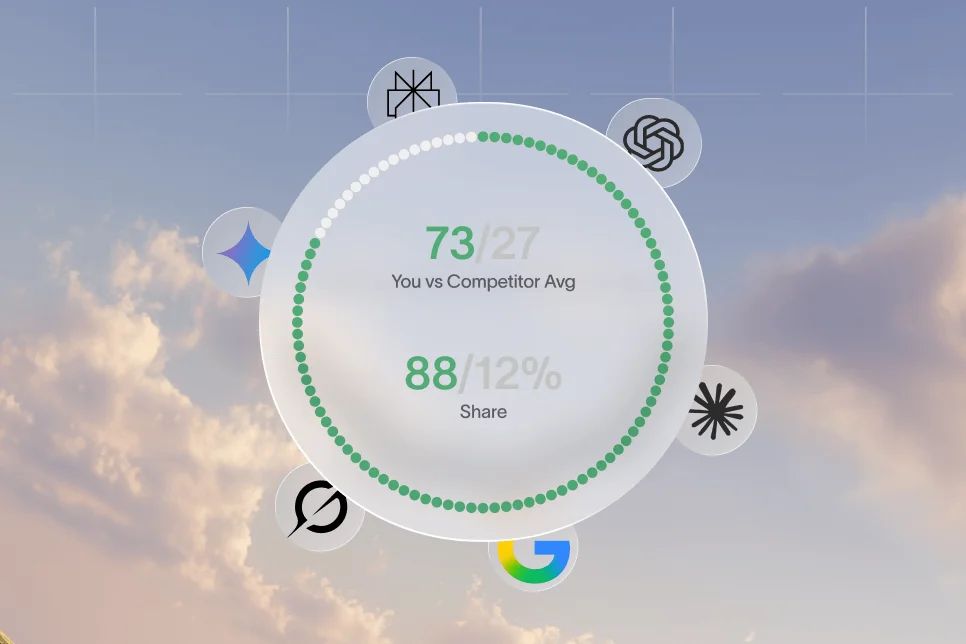
If your team wants to understand where you show up in search, how often you appear in AI answers, and which pages are strong enough to earn citations, use that visibility data to guide the next update. That’s the practical shift.
If you want help turning that into a repeatable workflow, Skayle helps SaaS teams plan, optimize, and maintain content built to rank in search and appear in AI-generated answers. The useful starting point is simple: measure your AI visibility, tighten your strongest pages, and build from the questions your market already asks.