
TL;DR
In 2026, topic cluster architecture needs to serve crawlers and LLM context windows. Build a decision-focused hub, spokes that each own one extractable question, and link them as a path you can measure and refresh.
A topic cluster used to be a simple SEO move: pick a pillar keyword, write supporting posts, link them together, and call it a day. In 2026, that still works sometimes—but it’s not the default anymore. You’re building for crawlers and for LLM context windows that decide what gets cited, summarized, and compared.
In 2026, the best topic cluster architecture is a crawlable hub-and-spoke system where each spoke owns one extractable question and the hub turns those answers into a decision path that earns citations and clicks.
Why topic clusters changed in 2026 (and why most clusters feel “done” but don’t perform)
Topic clusters didn’t stop working. The definition of “working” changed.
Classic SEO clusters were built for:
- Crawling (can Google find all pages?)
- Relevance (do pages mention the right stuff?)
- Authority (do enough pages point at the pillar?)
In 2026, you also need:
- Extractability (can a model lift a clean answer without guessing?)
- Comparison readiness (does your page explain tradeoffs like a buyer would?)
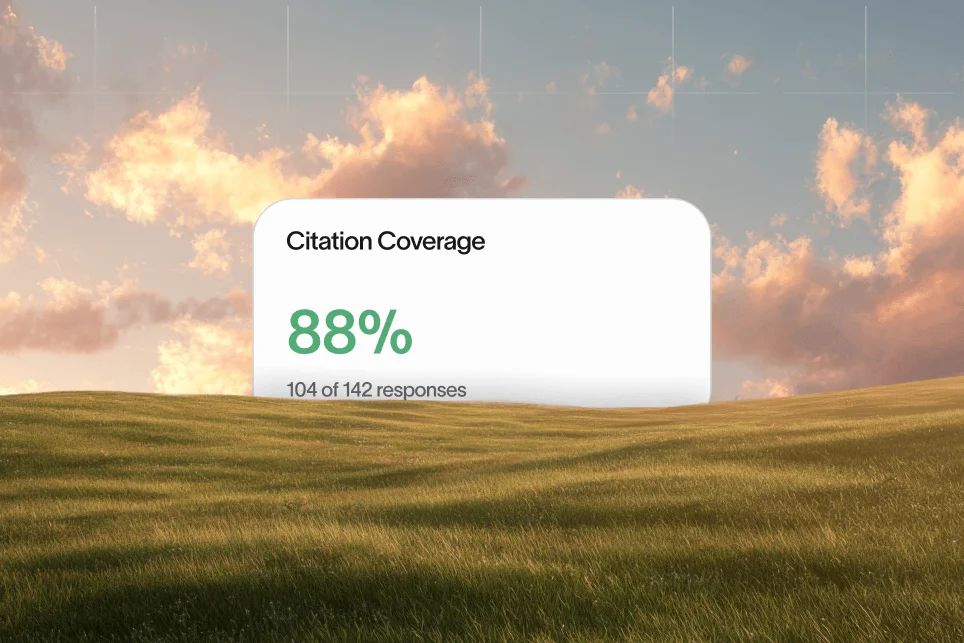
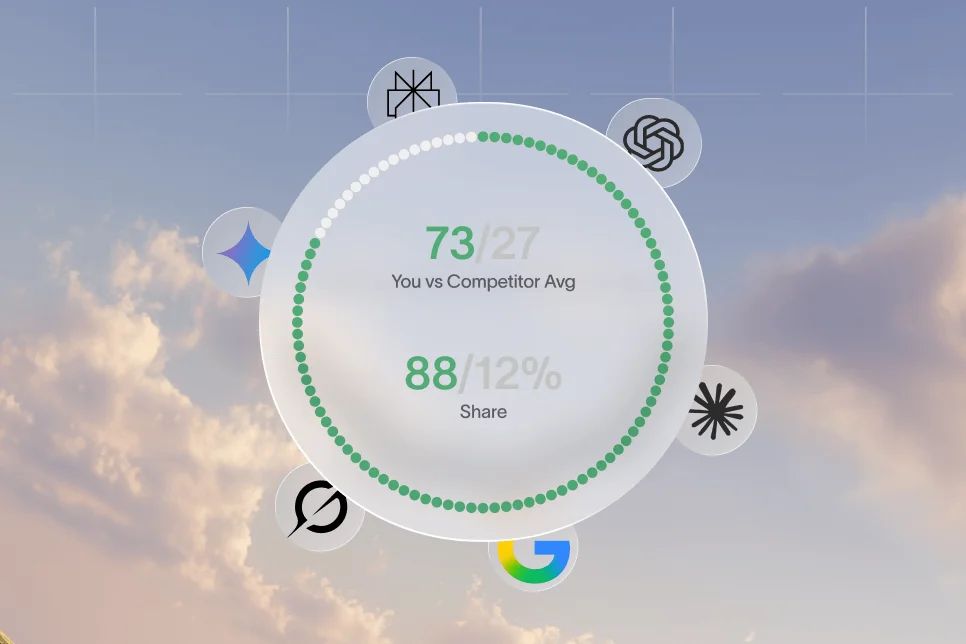
- Citation coverage (do you show up across the question space, not just on one hero keyword?)
Here’s the uncomfortable part: you can build a technically correct cluster that ranks and still lose the click because the AI answer resolved the intent.
When I audit clusters now, the pattern is consistent:
- The hub is long but mushy. It explains, but it doesn’t decide.
- The spokes overlap. They compete internally, so none becomes the quote-worthy source.
- Internal links exist, but they don’t form a path. They’re just sprinkled.
- The cluster has no measurement loop. Nobody can say which spokes drive citations vs which just get impressions.
If you care about the new funnel—impression → AI answer inclusion → citation → click → conversion—your topic cluster architecture has to be designed like a system, not a bundle of posts.
A practical point of view (the contrarian stance)
Most teams should stop starting with a keyword list.
Start with the question graph your buyers actually ask, then map keywords onto it. Keywords are the output constraint. Questions are the architecture.
If you start keyword-first, you’ll ship 30 “pretty good” pages that cannibalize. If you start question-first, you’ll ship 12 pages that each have a job: rank, get cited, and move the reader one step closer to a decision.
What we’re comparing in this guide
There are three common cluster models floating around right now. You’ll see all three inside companies, sometimes in the same folder.
- Keyword-first cluster (2018–2023 style)
- Entity-first cluster (better for long-term topical authority)
- Citation-first cluster (2026 reality: crawlers + context windows)
You can win with any of them, but not with the same internal linking rules, page templates, or KPIs.
Keyword-first vs entity-first vs citation-first clusters (what breaks, what scales)
Let’s make this concrete. Here’s how the three approaches behave when you care about both rankings and AI citations.
Side-by-side: how each cluster model performs
| Cluster model | What it optimizes for | Where it fails in 2026 | When it’s still fine |
|---|---|---|---|
| Keyword-first | Ranking for a specific query | Overlap/cannibalization, weak extractability, thin decision support | Small sites, one product, low competition |
| Entity-first | Coverage around a concept (product category, job-to-be-done) | Easy to overbuild without clear conversion path | Category creation, long sales cycles |
| Citation-first | Extractable answers + trust signals + navigable linking | Requires tighter governance and templates | SaaS with competitive SERPs + AI answer pressure |
If you’re a SaaS team trying to grow organic pipeline in 2026, you usually want entity-first structure with citation-first page design.
What “citation-first” really means
Citation-first doesn’t mean you write for bots.
It means:
- Every page has a primary question it answers in the first screen.
- The page includes constraints and tradeoffs (the stuff people cite).
- You attach evidence: definitions, steps, examples, and limitations.
- The cluster links create a predictable path for crawlers and humans.
If you want a deeper technical view on how AI systems extract and cite pages, it helps to understand the mechanics behind AI Overviews optimization so you’re not guessing.
Pros and cons (so you can pick honestly)
Keyword-first pros
- Fast to plan with tools like Ahrefs or Semrush
- Easy to assign to writers
- Easy to report on (keyword positions)
Keyword-first cons
- High duplication risk (internal competition)
- Weak intent chaining (lots of pages, no journey)
- Hard to earn consistent citations because answers vary page to page
Entity-first pros
- Strong topical authority over time
- More natural internal linking
- Better for programmatic expansion when you have clean data
Entity-first cons
- Easy to build a library that doesn’t convert
- Governance burden (definitions and entities must stay consistent)
Citation-first pros
- Higher likelihood of being the quotable source
- Better alignment to impression → citation → click
- Cleaner content refresh decisions (you see which questions you don’t own)
Citation-first cons
- Requires tighter templates and editorial discipline
- Requires measurement beyond rankings
The C2C model: a repeatable topic cluster architecture you can scale
When we build clusters that hold up in 2026, we use a simple model because teams need something they can run repeatedly.
I call it the C2C Model (Crawl-to-Context):
- Crawl layer: pages and links that bots can discover and understand.
- Context layer: page structure that LLMs can extract cleanly.
- Conversion layer: a decision path that turns the click into a trial, demo, or signup.
- Compounding layer: refresh loops and measurement that keep the cluster improving.
That’s it. Four layers, and each layer has rules.
Layer 1: Crawl layer (the parts Google can’t “infer”)
This is boring until it breaks.
Your crawl layer is:
- URL structure and depth
- internal links
- canonicals
- indexation rules
- sitemaps
If you want a fast reality check, use:
- Google Search Console to see index coverage
- Screaming Frog to map link depth and orphan pages
- Server log analysis if you have it (even basic sampling helps)
Rule I follow: cluster pages should not be more than 3 clicks from the hub.
Not because it’s magical, but because it keeps the cluster tight enough that both crawling and internal PageRank distribution stay predictable.
Layer 2: Context layer (write like you want to be quoted)
If your pages open with storytelling, you’re making extraction harder.
In 2026, you want:
- A clean definition early
- One primary question per page
- Short paragraphs (40–80 words is a sweet spot)
- Lists that can be lifted into an answer
- Consistent terminology across the cluster
This is also where structured data helps. Don’t treat schema like a checkbox. Treat it like a contract.
Start with Google’s structured data docs and validate with Rich Results Test.
If you’re already doing schema but it’s not helping, the fixes are often surprisingly specific—like making entities and FAQs more conversational, which we’ve broken down in these schema fixes.
Layer 3: Conversion layer (your hub is a product page in disguise)
Most hubs are written like encyclopedias.
But if the hub ranks, it becomes your category page. So design it like one.
What that means in practice:
- The hub answers the big question, then routes to spokes as next steps.
- Each spoke has a clear “what to do next” that points deeper (or to a commercial page).
- You repeat the same decision criteria across the cluster so the reader feels continuity.
If you use CTAs, keep them soft and specific:
- “See how you appear in AI answers.”
- “Measure your citation coverage.”
Not “Book a call now.” People are still learning.
Layer 4: Compounding layer (refresh beats reinvention)
Topic clusters decay. Not always in rankings—sometimes in meaning.
Competitors update. SERPs shift. AI answers pick new sources.
So your cluster needs a refresh loop.
If you don’t already have one, build it around:
- query coverage (what you rank for)
- citation coverage (where you get mentioned/cited)
- conversion rate by entry page
A good starting point is running cluster-first audits instead of page-first audits. We covered the logic behind refresh clusters because it changes how you prioritize work.
Building a cluster that survives crawlers, context windows, and buyers
Now let’s get practical. This is the process I’d use if you told me: “We need a cluster in 30 days, we can’t hire, and we need it to convert.”
Step 1: Pick a hub topic that represents a decision, not a definition
Bad hub topics:
- “What is X” (unless you’re creating the category)
- “X explained”
Better hub topics:
- “X vs Y”
- “How to choose X”
- “Best X for [use case]”
- “X pricing, plans, and tradeoffs”
Decision hubs get cited because they include criteria and constraints.
Step 2: Map the question graph (the part most teams skip)
Open a blank doc and write 30–50 questions your buyer asks.
Then validate them with:
- People Also Ask in Google
- Community threads (Reddit, forums)
- Sales call transcripts
- Support tickets
Tools can help, but don’t outsource this to a keyword export.
If you want one tool-driven input, I like starting with AlsoAsked because it forces you into question form.
Step 3: Convert questions into spokes with single ownership
This is where you prevent cannibalization.
Each spoke must have:
- one primary question
- one primary intent type (informational vs comparative vs commercial)
- a clear boundary (what it will not cover)
If two spokes would answer the same question, merge them.
Step 4: Decide the internal linking pattern (not just “link everything”)
A cluster isn’t a mesh. It’s a path.
I use three link types:
- Hub → spoke: the hub links to every spoke, near the section where it’s relevant.
- Spoke → hub: every spoke links back to the hub with consistent anchor text.
- Spoke → spoke: only when it’s a legitimate next step (not “related reading”).
Contrarian rule: don’t force spoke-to-spoke links just to increase link counts. You’ll create noise and dilute the journey.
Step 5: Standardize a page template so answers stay consistent
If you want citations, consistency wins.
A spoke template that works well:
- 1–2 sentence direct answer
- “When this applies” section
- Steps or options list
- Common mistakes
- Short FAQ
- Next step links
A hub template that converts:
- decision criteria upfront
- a comparison table
- a recommended path by audience segment
- short summaries of each spoke (with links)
A numbered checklist you can run this week
Use this as a build checklist for topic cluster architecture in 2026:
- Define the hub as a decision query (not a definition).
- List 30–50 buyer questions in plain language.
- Group questions into 6–10 subthemes (these become spoke groups).
- Assign one primary question per spoke.
- Write a one-sentence boundary for each spoke (what it excludes).
- Choose your link rules (hub→spoke, spoke→hub, selective spoke→spoke).
- Set a template for hubs and spokes (same sections across the cluster).
- Add schema where it makes sense (FAQ, HowTo where appropriate).
- Publish the hub first with placeholders for spokes (so the crawl path exists).
- Publish spokes in batches and update hub summaries each time.
- Instrument KPIs in GA4 and Search Console.
- Schedule a 30-day and 90-day refresh review based on coverage gaps.
If you want to take measurement seriously (and you should), you also need to track where you don’t appear in AI answers. That’s the point of running a citation coverage gap rather than guessing based on rankings alone.
Proof without pretending: how to measure cluster impact (and a realistic mini-case template)
I’m not going to hand you fake numbers. But you still need proof, and you need a way to produce it quickly.
Here’s a measurement template that creates real evidence within a few weeks.
The three KPIs that actually tell you if the cluster is working
Rankings matter, but they’re lagging indicators.
I track these three first:
- Non-brand organic entrances to cluster pages (hub + spokes)
- Citation coverage across a fixed query panel (your top 30–50 questions)
- Conversion action rate from cluster traffic (trial, demo, signup, or a meaningful micro-conversion)
For conversion action rate, define your action in GA4 and validate event firing. If you’re B2B SaaS, you can also pipe events into HubSpot or Salesforce so you can see assisted pipeline.
A mini-case template you can replicate (baseline → intervention → expected outcome → timeframe)
Use this structure in your internal doc so you can defend the work.
- Baseline (Week 0): Hub and 0 spokes live. Cluster folder gets X organic entrances/week. Conversion action rate is Y%. Citation coverage across 30 questions is Z/30.
- Intervention (Weeks 1–4): Publish hub + 8 spokes using one template. Add hub summaries and consistent spoke→hub links. Add FAQ schema to spokes where appropriate. Ensure all pages are in the XML sitemap.
- Expected outcome (Week 6): Higher long-tail entrances (more pages indexed + more intents covered). More citations because each spoke has a single extractable question. Higher conversion action rate because the hub routes to decision content.
- Timeframe: 6 weeks for early signals, 90 days for stable performance.
If you want to be stricter, create a control group: pick one old blog category and don’t touch it for 6 weeks. Compare entrances and conversions.
Instrumentation details (so you can’t “feel” your way through it)
This is the boring part that saves you later.
- Use Looker Studio to combine Search Console and GA4.
- Tag cluster pages with a content group in GA4.
- Track internal link clicks from hub → spokes (simple event tracking).
- Monitor indexation and coverage weekly.
If you’re doing any programmatic expansion inside the cluster, you’ll also want to think about infrastructure: crawl control, templates, and refresh loops. That’s the difference between a cluster and a factory, and it’s why programmatic work needs a system like what we describe in programmatic page infrastructure.
The mistakes I see in topic cluster architecture (and what to do instead)
These are the failure modes that waste quarters.
Mistake 1: Building 25 spokes before the hub exists
If the hub isn’t live, you don’t have a crawl center.
Do instead: ship the hub first, even if some sections are “coming soon.” Then fill spokes and update the hub as you go.
Mistake 2: Writing spokes like mini-pillars
Spokes should be narrow. If they’re broad, they overlap.
Do instead: one primary question, one answer, one boundary.
Mistake 3: Internal links that don’t match intent
Random “related articles” blocks are a trap.
Do instead: link only to the next logical step:
- definition → comparison
- comparison → pricing
- pricing → implementation
Mistake 4: No consistent definitions across the cluster
LLMs punish inconsistency because it reduces trust.
Do instead: maintain a shared definition and terminology doc (even a simple internal page). Keep product names, category terms, and “who it’s for” consistent.
Mistake 5: Measuring rankings but not citations or conversions
If the AI answer resolves the query, rankings alone won’t tell you why traffic stalled.
Do instead: track citation coverage and cluster-level conversion actions. If you’re new to this, start with an LLM citations audit workflow so you have a repeatable way to validate what’s happening.
Which cluster model is right for you? (decision rules, not vibes)
If you’re choosing between keyword-first, entity-first, and citation-first architecture, use these rules.
Choose keyword-first if…
- You have a small site and need wins fast.
- Your topic is low competition.
- You’re okay with future refactors.
Tooling: Semrush, Ahrefs, and a lightweight CMS like WordPress.
Choose entity-first if…
- You’re building a category.
- Your product has multiple use cases.
- You want compounding authority over 12+ months.
Tooling: entity tracking docs, consistent templates, and a strong internal linking plan.
Choose citation-first if…
- Your core queries trigger AI answers.
- You need measurable visibility beyond rankings.
- You want your hub pages to act like conversion assets.
Tooling: structured page templates, schema validation, and an answer/citation monitoring workflow.
If you’re running a modern content operation, the bigger problem isn’t writing. It’s workflow fragmentation—briefs, drafts, optimization, publishing, and measurement living in different tools. That’s why we push for a single system approach, and we’ve outlined the failure modes in broken AI workflows.
FAQ: topic cluster architecture in 2026
How many spokes should a 2026 topic cluster have?
Most clusters perform better with 6–12 high-ownership spokes than 30 overlapping ones. Start with the questions that map to buyer decisions, then expand based on measured coverage gaps.
Do topic clusters still help rankings if AI answers reduce clicks?
Yes, because clusters increase topical authority and improve internal link distribution. But you should also optimize for extractable answers and comparison content so you earn citations and win the clicks that still happen.
What’s the best internal linking structure for a hub-and-spoke cluster?
Use hub→spoke links for discovery, spoke→hub links for consolidation, and selective spoke→spoke links only when the next step is obvious. Avoid random “related” links that don’t match intent.
Should I build separate hubs for informational and commercial intent?
Usually, yes. Informational hubs can educate, but commercial hubs should focus on criteria, tradeoffs, and decision support. Mixing them often creates pages that are too broad to rank well or convert well.
How do I measure whether my cluster is getting cited in AI answers?
Create a fixed query panel of your top questions and check which sources are cited over time. Track changes after updates, and pair that with Search Console clicks and conversions so you can connect citations to outcomes.
If you want to pressure-test your current topic cluster architecture against how AI answers actually present your brand, take a look at your citation coverage first—then decide what to rebuild versus refresh. If you want, we can walk through what a citation-first cluster would look like for your category; what topic are you trying to own in 2026?