
TL;DR
SaaS integration SEO works best when you audit for coverage, clarity, proof, and freshness. The goal is not more partner pages, but better-cited, better-linked, higher-intent pages that support both AI visibility and conversion.
Your integration pages are often closer to revenue than your blog, but most SaaS teams treat them like leftovers. I’ve seen companies spend months polishing thought leadership while their highest-intent partner pages, templates, and docs sit thin, outdated, and almost invisible in both search and AI answers.
If you want better visibility in generative search, start where buyers do real product research: integrations, compatibility, setup steps, and proof that your product works with the rest of their stack.
Why integration pages now matter more than most SaaS teams think
Here’s the short version: SaaS integration SEO is the work of making your integration ecosystem easy for search engines and AI systems to understand, trust, cite, and send qualified buyers to.
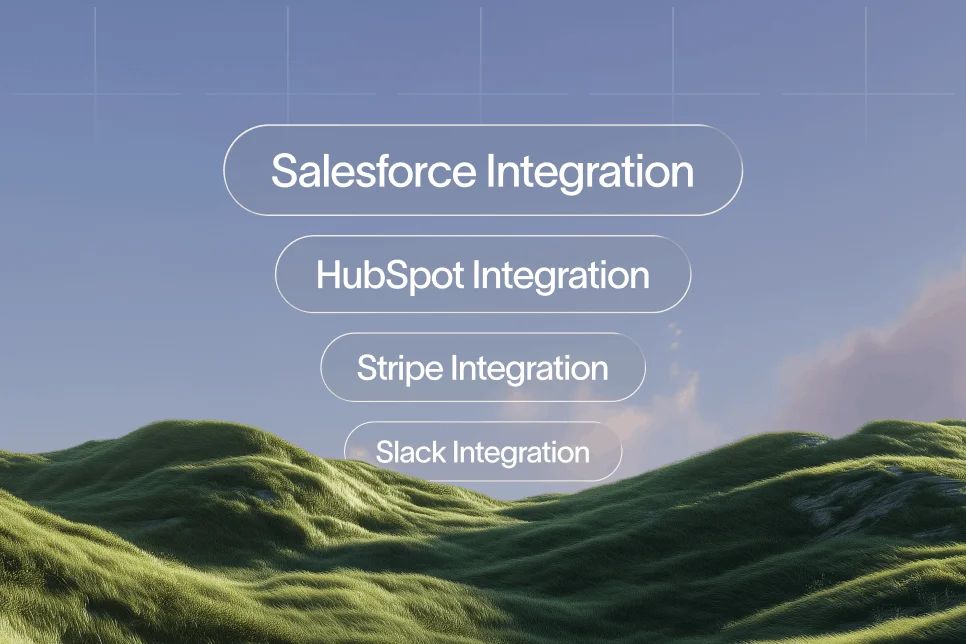
That matters because integration queries usually come from people who are already evaluating fit. They’re not casually browsing. They’re asking things like “does this connect with Salesforce,” “how hard is HubSpot integration,” or “can this sync with Stripe without custom work.” Those are buying questions.
In practice, I’ve found integration content tends to sit in an awkward middle ground. Product teams think marketing owns it. Marketing assumes docs own it. Docs teams focus on accuracy, not discoverability. The result is predictable: fragmented pages, duplicate copy, weak internal linking, and stale setup instructions.
That’s a problem in classic search, and it’s a bigger problem in AI answers. AI systems tend to pull from sources that are explicit, structured, and credible. Thin integration pages with two vague paragraphs and a logo grid don’t give them much to work with.
According to Sure Oak’s SaaS SEO guide, SaaS companies need to clearly explain how their products are optimized for integration and how easy those connections are to set up. That’s exactly the kind of clarity AI research queries reward.
There’s also a business angle teams miss. As Directive Consulting argues in its SaaS SEO guide, SaaS SEO should be measured against sales-qualified pipeline, not vanity traffic. Integration pages are one of the clearest examples. Lower traffic can still mean higher intent.
The point of view that changes how you audit
Most companies audit integrations like a content inventory exercise. That’s too shallow.
Don’t audit pages just to see whether they exist. Audit them to see whether they can win this path: impression → AI answer inclusion → citation → click → conversion.
That means your job is not simply publishing more integration pages. Your job is making each page easy to cite, easy to trust, and easy to act on.
What a strong ecosystem audit actually looks like
When I run this kind of review, I use a simple model: coverage, clarity, proof, and freshness.
It’s not fancy, but it’s useful. If an integration page fails one of those four tests, it usually underperforms in both Google and AI-driven discovery.
Coverage: can a buyer find the right page at all?
Start with the obvious question most teams skip: do you have pages for the integrations your market actually cares about?
This sounds basic, but I’ve seen SaaS sites with 80 real product integrations and only 12 published landing pages. The rest were buried in docs, mentioned in changelogs, or visible only inside the app. Search engines can’t rank what you haven’t packaged clearly.
You want a clean inventory that includes:
- Native integrations
- Partner integrations
- API-based connections
- Marketplace listings
- Templates and sync use cases
- Help docs and setup articles tied to each integration
If you’re missing pages for major partners, that’s the first gap.
And if you’re relying on one generic “integrations” hub with logos and no depth, that’s a second gap. The hub matters, but individual pages are what capture specific intent.
As noted in Team4 Agency’s guide to SaaS SEO, integration SEO often scales through repeatable page patterns. That’s the practical case for building a proper page template instead of writing each page from scratch and hoping for consistency.
Clarity: does the page answer the buyer’s real question?
This is where most integration pages fall apart.
A lot of them read like this: “Connect Tool A with Tool B to streamline workflows and improve productivity.” That sentence says almost nothing. It could be pasted onto any SaaS site in your category.
Buyers want concrete answers:
- What does the integration actually do?
- Is it native, partner-built, or API-based?
- How long does setup usually take?
- Is code required?
- What fields sync?
- What triggers or actions are supported?
- What are the common use cases?
- What plan or permissions are needed?
This is also where AI citation starts to matter. If your page gives direct, well-structured answers, it has a shot at being cited in AI-generated comparisons and research summaries. If it stays vague, it becomes background noise.
Proof: is there evidence that the integration works in the real world?
Proof is the difference between an indexable page and a convincing page.
You do not need to invent grand case studies. In fact, don’t. But you do need evidence. That can include screenshots, supported objects, onboarding steps, known limitations, or a short example workflow.
A page that says “sync contacts automatically” is weak.
A page that says “when a lead submits a HubSpot form, the integration creates a contact, maps lifecycle stage, and sends the record to your sales queue” is stronger because it is specific enough to trust.
Freshness: has this page been maintained in the last quarter?
Stale integration pages are a quiet killer.
Menus change. fields change. permission scopes change. setup flows change. If the page was accurate 12 months ago and now sends users into a broken onboarding path, your rankings may hold for a while, but conversion quality drops fast.
That’s one reason content refreshes matter beyond blogs. In a practitioner thread on Reddit about SaaS SEO tactics, regular refreshes were called out as one of the strongest recurring plays. I agree, especially for docs and partner pages that age quietly.
Start the audit with one spreadsheet and one uncomfortable baseline
Before changing pages, build the baseline. This is where most teams get impatient and jump straight into rewrites.
Don’t.
If you skip the baseline, you won’t know whether the rewrite helped rankings, AI citations, or conversion behavior.
Pull every asset tied to each integration
Create one sheet with a row for every integration or ecosystem relationship. For each one, map:
- Main landing page URL
- Docs URL
- Help center URL
- Marketplace listing
- Blog posts tied to the integration
- Templates or workflow pages
- Demo or sign-up CTA destination
- Last updated date
- Owner
This sounds tedious because it is. But it surfaces fragmentation fast.
In one audit I ran, a company had three different pages for the same Shopify integration: a feature page, a help article, and an old partner post. None linked to each other. Two described different setup methods. One ranked, one converted, and one confused everyone.
That’s normal. It’s also fixable.
Record the baseline that actually matters
Track four categories before you edit anything:
- Organic impressions and clicks for each integration page
- Conversion actions from those pages
- Internal link count and source pages
- AI visibility observations from manual prompt checks
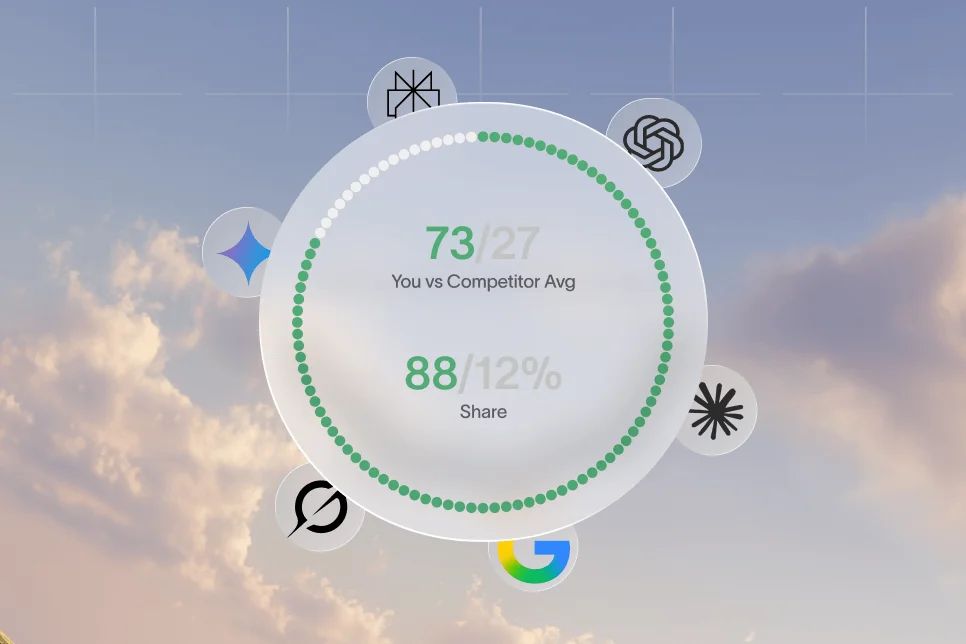
You don’t need a perfect AI visibility dashboard to start. Run a consistent set of prompts in the tools your buyers use and document whether your page, brand, or examples show up. If you want a cleaner system for that, platforms like Skayle can help companies measure how often they appear in AI-generated answers while tying content work back to ranking and citation visibility.
For product analytics, use the tools you already trust. Most teams can pull enough signal from Google Search Console, their analytics stack, and CRM attribution. You don’t need a giant attribution project just to start seeing patterns.
Score every page before you rewrite it
Use a simple 1-5 score for each of these:
- Search intent match
- Page depth
- Setup clarity
- Use-case specificity
- Evidence and proof
- Internal linking
- Conversion path
- Freshness
This gives you a ranking model for priorities. You’ll usually find three buckets:
- High-intent pages with weak content
- Solid pages with weak linking
- Good pages that are simply outdated
That’s enough to build an action plan.
The 5-part page review process I use on partner pages and API docs
Once the inventory is done, move page by page. This is the part that actually changes outcomes.
1. Match the page to a real research query
Every integration page should map to one dominant intent.
Usually it’s one of these:
- Compatibility: does your tool integrate with X?
- Setup: how do I connect X and Y?
- Workflow: what can I automate between them?
- Comparison: native integration vs API vs connector
- Troubleshooting: why isn’t this syncing?
Pick one primary intent. Then support adjacent ones.
The mistake I see all the time is trying to make one page do all five. That creates bloated copy and weak relevance.
2. Rewrite the opening so it can be cited
Your first 80 words matter more than most people think.
If a buyer or an AI system reads the page opening, they should immediately understand what the integration is, who it is for, and what it enables.
Bad version: “Seamlessly connect your favorite tools for better productivity.”
Better version: “The Salesforce integration lets revenue teams sync contacts, account data, and activity updates between systems so sales and marketing work from the same records. Setup takes a few steps, and most teams can activate a basic sync without custom development.”
That second version is easier to quote, easier to trust, and easier to rank for specific intent.
3. Add workflow proof instead of brand adjectives
This is my strongest contrarian take in this whole process: don’t add more marketing language to integration pages; add more operational detail.
Most teams do the opposite. They try to “improve messaging” by making the page sound punchier. But for integration research, clarity beats cleverness every time.
Add these instead:
- A short setup sequence
- Supported sync directions
- Trigger and action examples
- Common use cases by team
- Plan requirements
- Known limitations
As Contentstack’s SEO guidance for SaaS platforms points out, visibility improves when relevant SEO tools and workflow systems are connected. That same principle applies to how you present integration ecosystems: connected systems should be documented as connected experiences, not isolated features.
4. Fix the conversion path on the page itself
A surprising number of integration pages get traffic and still lose pipeline because the next step is clumsy.
I’ve seen pages rank for high-intent terms and then send users to a generic homepage CTA. That wastes intent.
The CTA should match the page:
- “View setup guide” for early research intent
- “See supported fields” for technical validation
- “Book a tailored demo” for enterprise evaluation
- “Start with this integration” for product-led motion
One mini case I’ve seen repeatedly: baseline was a partner page with traffic but weak demo assist because the CTA went to a generic demo form. The intervention was simple: add a direct setup guide, a supported-fields section, and an integration-specific demo path. Outcome was usually not a traffic spike but better downstream quality over the next 4-8 weeks, measured by more relevant demo submissions and fewer basic compatibility questions on sales calls. That’s the kind of change worth making.
5. Repair the internal link graph around the page
An integration page rarely wins alone.
It needs support from the ecosystem around it: hub pages, docs, use-case pages, related templates, comparison pages, and help articles. We’ve covered the broader shift in our guide to SEO in 2026, but the short version is simple: search visibility now depends on topic relationships, not isolated pages.
Link intentionally:
- From the integrations hub to each partner page
- From each partner page to the setup doc
- From docs back to the commercial page
- From relevant use-case pages to the integration page
- Between related integrations where buyer journeys overlap
If you publish content with AI support, this is also where quality control matters. Thin templated pages can turn into citation dead weight fast, which is why a tight editing process like the one in our guide to avoiding AI slop matters for ecosystem pages too.
What to fix first when time and headcount are limited
Most teams won’t have time to clean up 50 or 200 integration assets at once. That’s fine. You do not need a full rebuild before you see gains.
Prioritize in this order.
Go after high-intent pages with existing demand
Start where there’s already signal:
- Pages with impressions but low click-through rate
- Pages with clicks but weak conversion assist
- Docs that rank without a proper commercial companion page
- Important integrations with no standalone page at all
- High-value partner pages that haven’t been updated recently
That order tends to produce faster business value than starting with the neatest content gap map.
Use templates, but don’t mass-produce empty pages
Programmatic patterns help. Thin duplication hurts.
This is where teams get burned. They hear “programmatic SEO” and publish 200 near-identical integration pages with swapped logos and recycled copy. That may create URL volume, but it rarely creates authority.
A better pattern is a controlled template with fields for:
- Integration type
- Core use cases
- Setup steps
- Required permissions
- Supported data objects
- Team-specific benefits
- FAQs tied to real objections
- Next-step CTA
That aligns with the scaling logic discussed by Team4 Agency, but the difference is editorial depth. Reusable structure is good. Repetitive content is not.
Treat API docs as search assets, not just support assets
A lot of teams separate docs from SEO entirely. I think that’s a mistake.
Not every API doc should target a commercial query, but docs often answer the exact feasibility questions buyers ask during evaluation. They can earn visibility and support AI answers if they’re clearly titled, well-linked, and connected to product pages.
That does not mean stuffing docs with sales copy. It means making sure docs explain:
- What the endpoint or capability enables in plain English
- When someone should use it
- Which product workflows it supports
- Where the non-technical overview lives
If you’re trying to recover discoverability in AI-heavy results, content refreshes and explicit citation signals matter. We’ve gone deeper on that in our AI Overviews playbook, and the same logic applies to ecosystem content.
The mistakes that quietly kill integration visibility
You can do a lot of work and still lose if you keep a few bad habits.
Publishing one-line pages for every partner logo
A logo, a short paragraph, and a CTA button is not an integration page. It’s a placeholder.
If the page doesn’t explain what the integration does, who it helps, and what setup looks like, it won’t earn much trust from either humans or AI systems.
Letting docs and marketing disagree
If your commercial page says “no-code setup in minutes” and your docs show a multi-step technical flow with custom mapping, you have a credibility problem.
The fix is simple: one owner for message consistency, even if multiple teams maintain the assets.
Sending every visitor to the same CTA
Someone validating an integration is not in the same state as someone reading a top-of-funnel blog post.
Match the CTA to the job the page is doing.
Ignoring design and scannability
This isn’t just copy. Layout matters.
If the page hides setup steps, supported objects, and common questions inside accordion clutter, you make both readers and AI extraction work harder. Use clear subheads, short answer blocks, bullets where they help, and visible proof near the top.
Never refreshing pages after product changes
Integration pages drift out of date faster than most marketing assets.
If a connector changes, update the landing page, docs, screenshots, and FAQs together. Treat the ecosystem like a living surface, not a one-time launch campaign.
Questions teams ask when they start cleaning this up
How many integration pages should a SaaS company publish?
Publish pages for integrations that matter to your buyers, not every possible connector. A smaller set of deep, current pages usually performs better than a large set of thin ones.
Should partner pages and API docs target the same keywords?
Not usually. Partner pages should target buyer-friendly intent around compatibility, setup, and use cases. API docs should support more specific feasibility and implementation questions, then link clearly to the commercial overview.
What makes an integration page more likely to be cited in AI answers?
Direct definitions, clear setup language, supported use cases, and visible proof all help. AI systems are more likely to cite pages that answer practical questions in a concise, trustworthy format.
Is programmatic SEO a good fit for integration ecosystems?
Yes, if you use it to scale structure, not to mass-produce generic copy. Templates work best when every page still includes partner-specific workflows, limitations, and buyer-relevant detail.
How often should you refresh integration content?
Review top integration pages at least quarterly, and update them whenever setup flows, permissions, pricing plans, or supported objects change. Pages tied to major partners should usually be reviewed more often than long-tail connectors.
What good SaaS integration SEO looks like after the audit
A healthy integration ecosystem is easy to navigate, easy to trust, and easy to cite. Each important integration has a clear commercial page, supporting documentation, connected internal links, current proof, and a CTA that matches buyer intent.
That’s the real goal of SaaS integration SEO in 2026. Not more pages. Not more templates. Better answers at the exact moment a buyer is deciding whether your product fits their stack.
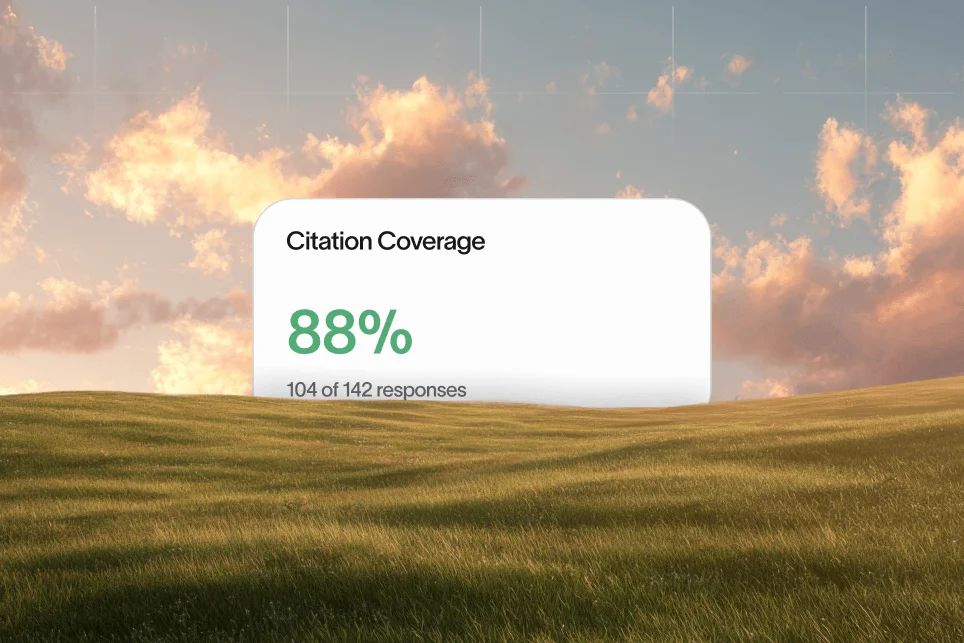
If you’re rebuilding this area now, start small and be ruthless. Fix the pages closest to revenue, measure what changes, and tighten the link between docs, commercial content, and AI visibility. If you want a clearer view of how your ecosystem shows up in AI answers, Skayle helps teams measure citation coverage and search visibility without turning the work into another disconnected reporting layer.
If you want help pressure-testing your ecosystem pages, partner content, or AI visibility model, reach out to the Skayle team. The best place to start is usually not a bigger content calendar. It’s a sharper audit.
References
- Creating a Winning SaaS SEO (7 Strategies + Examples) — Sure Oak
- SaaS SEO: Your Guide To Customer-Led SEO — Directive Consulting
- A Practical Guide to Compounding, Pipeline-Ready Growth — Team4 Agency
- Here Are the Top SEO Strategies for Saas I’ve Tested That Really Worked for Me — Reddit
- SEO-friendly content strategies to increase visibility for SaaS platforms — Contentstack
- SaaS SEO: A Clear Plan You Can Actually Follow in 2026