
TL;DR
SaaS SEO in 2026 is no longer just about traffic. Series B teams need citation-first content libraries that define, prove, compare, and refresh core topics so they can earn AI mentions, qualified clicks, and stronger authority over time.
A lot of SaaS teams are still chasing the wrong scoreboard. They publish for traffic, celebrate impressions, and then wonder why the pipeline impact feels weak once AI answers start intercepting more of the discovery journey.
The shift is simple to describe and hard to execute: in 2026, your best content does two jobs at once. It ranks in search, and it becomes the kind of source AI systems feel safe citing.
Why raw traffic stopped being the right north star
Here’s the blunt version: in an AI-answer world, brand is your citation engine. If your content is generic, interchangeable, or written only to capture clicks, it may still get impressions. It is much less likely to become the source a model cites when someone asks a buying-stage question.
That matters more for Series B SaaS teams than almost anyone else.
At this stage, you usually have pressure from both sides. Leadership wants efficient growth. Sales wants better-fit demand, not just more top-of-funnel sessions. Marketing wants proof that content is creating leverage instead of becoming a headcount sink.
That is why old-school SaaS SEO reporting starts to break down.
According to Marketer Milk, SaaS SEO is the strategy a SaaS company uses on its marketing site to drive organic traffic from search engines into a product-led or sales-led funnel. That definition still matters, but it is incomplete for 2026. Search visibility now extends beyond blue links into AI-generated answers, summaries, and recommendations.
And as Directive Consulting argues, raw traffic, ranking positions, and click-through rates are weak end goals on their own if they are disconnected from SQLs and customer value. I’ve seen this firsthand: a page can grow sessions for months and still contribute almost nothing to revenue because it attracts curiosity, not buyers.
The teams making the jump are building fewer disposable blog posts and more durable resource libraries.
What a citation-first library actually is
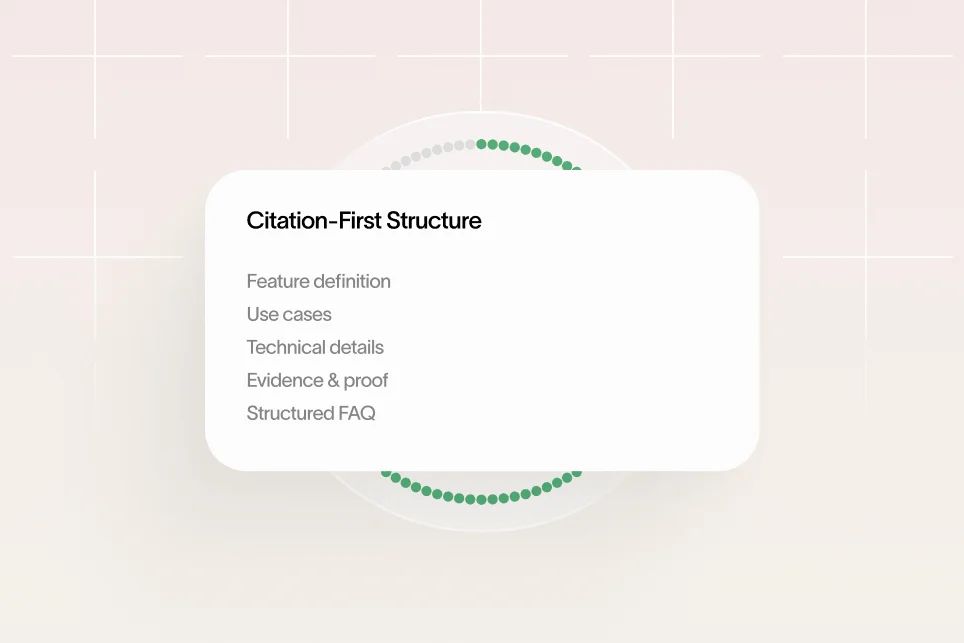
A citation-first library is a connected set of pages designed to answer recurring buyer questions with enough clarity, structure, and proof that both humans and AI systems can trust and reuse the material.
That means your library is not just a pile of articles.
It includes:
- Core category pages that define important terms clearly
- Comparison and alternative pages for decision-stage research
- Use-case pages tied to real workflows and pain points
- Templates, checklists, glossaries, and examples that offer upfront utility
- Refresh cycles that keep facts, screenshots, and claims current
This is where a lot of SaaS SEO programs get stuck. They scale output before they build usefulness.
We covered a related point in our guide to scaling SaaS content: volume only compounds when the underlying editorial system protects quality, intent, and consistency.
The shift from blog calendar to resource library
Most Series B teams I talk to have some version of the same story.
They started with a blog calendar. Then they hired freelancers or an agency. Then they produced dozens of articles around high-volume terms. Six months later, traffic looked decent, but conversions were soft, internal linking was messy, and half the content overlapped.
I’ve made this mistake too. We treated content like inventory. More URLs, more keywords, more coverage. On paper it looked like momentum. In reality, we were creating dilution.
The better model is a library built around repeatable buyer needs.
Directive Consulting frames this well with customer-led SEO: the point is to make the ideal customer’s life easier by providing upfront value. That idea becomes even more important in AI search because citation tends to favor pages that solve a problem cleanly, not pages that merely target a keyword.
The four-part content model worth using
If you need one simple model, use this: define, prove, compare, update.
It is not fancy. It works because it reflects how people and AI systems evaluate trust.
- Define the topic with a clean, quotable explanation.
- Prove your point with examples, outcomes, or sourced evidence.
- Compare approaches, tradeoffs, or alternatives so decision-makers can evaluate options.
- Update the page as the market, SERP, and product category evolve.
That four-part model creates pages with a much better chance of being cited because the information is easier to extract, validate, and reuse.
Here’s what that looks like in practice for SaaS SEO:
- A category page explains what a problem is and who it affects
- A supporting article breaks down common mistakes and how to avoid them
- A comparison page helps buyers evaluate options
- A template or checklist page gives immediate value
- A refresh process keeps the whole cluster credible over time
Why AI prefers resource depth over content sprawl
AI systems often synthesize from sources that are clear, stable, and specific. They do not reward your publishing cadence. They reward pages that feel dependable.
That means your content should be built for this path:
impression -> AI answer inclusion -> citation -> click -> conversion
Most teams only optimize the last two steps. They think about the click and maybe the conversion. The stronger teams design for the earlier stages too.
Ask yourself:
- Would an AI system find a direct answer sentence near the top?
- Is the page structured in a way that supports extraction?
- Does it include proof, examples, and clear definitions?
- Would a buyer trust it after landing from an AI citation?
If the answer is no, then the page may rank but still fail the new funnel.
For teams trying to measure that visibility, Skayle fits naturally here as a platform that helps companies rank higher in search and appear in AI-generated answers, so you can see whether your content is showing up, being cited, and supporting real authority instead of just producing more URLs.
What to build first when your team has limited bandwidth
You do not need 300 pages to make this work. You need the right first 30.
That is the contrarian part of this whole conversation: don’t start by covering every keyword variation you can find. Start by building the small set of pages your market will keep referencing.
That usually means beginning with commercial and high-trust content, not endless awareness posts.
The first 12 months should look more like this
If I were advising a Series B SaaS team from scratch, I would build the library in this order.
- Category-definition pages for your core problem space
- Use-case pages tied to pain points with clear buyer intent
- Alternatives and comparison pages for in-market evaluation
- Template, checklist, and framework pages that provide immediate utility
- Selective thought-leadership articles only where you have a real point of view
- Refresh passes on high-potential pages every quarter
This order tends to produce better business outcomes because it aligns content with actual buying behavior.
As Semrush notes, SaaS SEO is about improving visibility and rankings for the SaaS business model specifically. In practice, that means the content has to support a recurring-revenue funnel, not just attract random searchers.
A practical action checklist for the next 60 days
If your current library is bloated or underperforming, use this checklist.
- Audit your top 50 organic pages by traffic, conversions, and buyer intent.
- Mark which pages answer a real buying or workflow question clearly enough to be cited.
- Consolidate overlapping articles that target the same intent.
- Rewrite openings so each key page has a direct answer in the first 100 words.
- Add proof blocks, examples, and comparison tables where useful.
- Tighten internal links so supporting pages reinforce one clear topic cluster.
- Set a refresh cadence for pages tied to product category shifts or AI search visibility.
- Measure not just traffic, but branded search lift, assisted conversions, and citation presence.
That last point matters more than most teams realize.
If reporting is disconnected from action, content becomes a vanity dashboard. If reporting ties visibility to refresh priorities, internal links, and conversion paths, you finally get a system.
If your older library is decaying, our content refresh guide is a useful companion because reclaiming authority is often faster than publishing another 20 net-new articles.
What makes a page easy to cite and still good at converting
A lot of marketers assume citation-friendly content has to be dry. That is not true. The best pages are both extractable and persuasive.
You just need to be deliberate.
Start with answer-ready structure
Pages that earn citations usually make life easy for the reader and the machine.
That means:
- One clear definition near the top
- Short paragraphs with one idea each
- Specific subheads that match real questions
- Lists where they improve scanning
- Proof blocks with context, not vague claims
- FAQ sections written in natural language
This sounds basic, but I still see too many SaaS SEO pages open with 200 words of throat-clearing before they answer anything.
Don’t do that.
Lead with the useful sentence. Then expand.
Proof is the missing layer on most SaaS content
AI answers tend to flatten generic advice. If every page says the same thing, none of them stand out.
Proof creates separation.
That proof can include:
- Specific sourced claims from trusted publications
- Before-and-after content rewrites
- A real screenshot sequence in the published version
- A teardown of one strong page and why it works
- Historical case context that shows how the market has evolved
A useful example comes from Spicy Margarita, which cites Monday.com’s push to publish 1,000 SEO articles in 12 months. That example is often used to justify sheer volume. I think the smarter takeaway in 2026 is different: scale only matters if the library becomes a trusted reference layer.
In other words, don’t copy the article count. Copy the commitment to building a discoverability asset, then adapt it for AI citation, not just search sessions.
Mini case pattern: baseline, intervention, outcome, timeframe
If you want your pages to be more believable, use a simple proof shape.
- Baseline: what the page or cluster looked like before
- Intervention: what you changed
- Outcome: what moved, or what you expect to measure
- Timeframe: when you evaluated the result
Here is a realistic example without inventing performance numbers:
A Series B workflow SaaS company had three separate articles trying to rank for adjacent terms around onboarding automation. None had strong conversion intent, and all overlapped. The team merged them into one category page, one use-case page, and one implementation checklist. Over the next quarter, they tracked organic entries, demo assists, and AI answer mentions for those target prompts. Even before ranking volatility settled, the structure gave them a cleaner funnel and a clearer measurement model.
That kind of example works because it shows the move, not just the aspiration.
Design and conversion details that get ignored
Citation is not the finish line. Once someone clicks, the page still has to convert.
A few practical rules:
- Put the key answer above the fold
- Keep navigation simple so the page feels focused
- Use callouts, tables, and visual hierarchy to support scanning
- Add one soft CTA that fits the topic, not three competing asks
- Make adjacent next steps obvious through internal links
This is also why resource pages often beat classic blog posts. A blog post can answer a question. A library page can answer it, prove it, connect it to the next question, and move the visitor toward action.
The mistakes that quietly kill authority
Most underperforming SaaS SEO programs are not failing because the team lacks effort. They are failing because the content model creates drag.
Here are the patterns I would fix first.
Publishing keyword variants as separate posts
If five pages target nearly the same intent, you are not building authority. You are splitting it.
Consolidate aggressively where intent overlaps. One durable page usually beats four thin ones.
Writing intros that hide the answer
This is one of the easiest fixes. If your first screen reads like a student essay, rewrite it.
Answer the question early. Then earn the read with depth.
Treating refreshes like maintenance instead of growth work
Teams love net-new content because it feels productive. Refreshes feel boring.
But in many SaaS libraries, refreshes are the highest-leverage move because they reclaim rankings, strengthen credibility, and improve citation fitness. That is especially true for pages with outdated examples, stale product references, or weak formatting.
Measuring success with disconnected metrics
A pageview chart is not a content strategy.
You need a tighter measurement stack:
- Organic entrances from target clusters
- Conversion assists and influenced pipeline
- Branded search lift over time
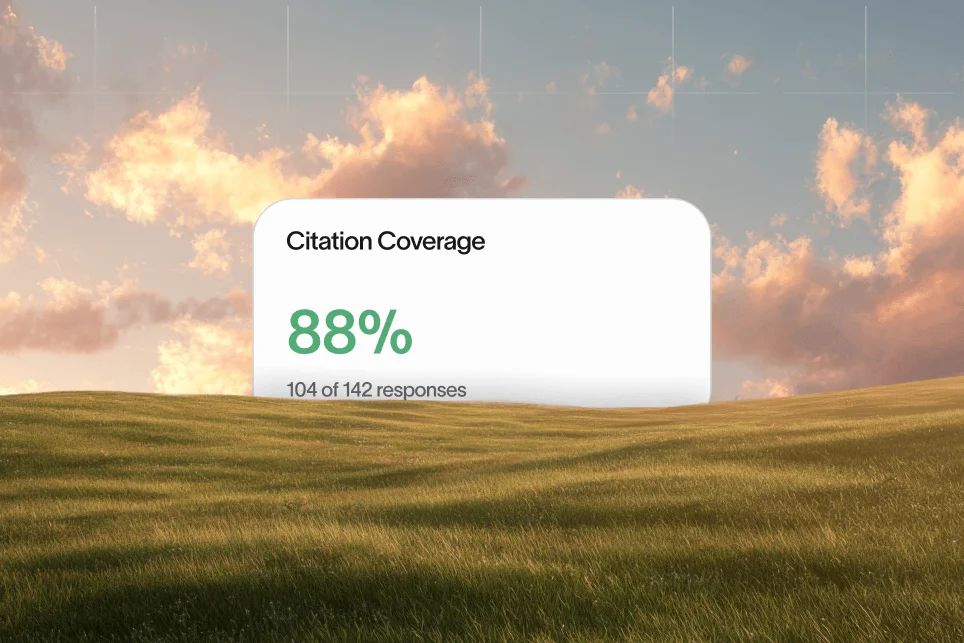
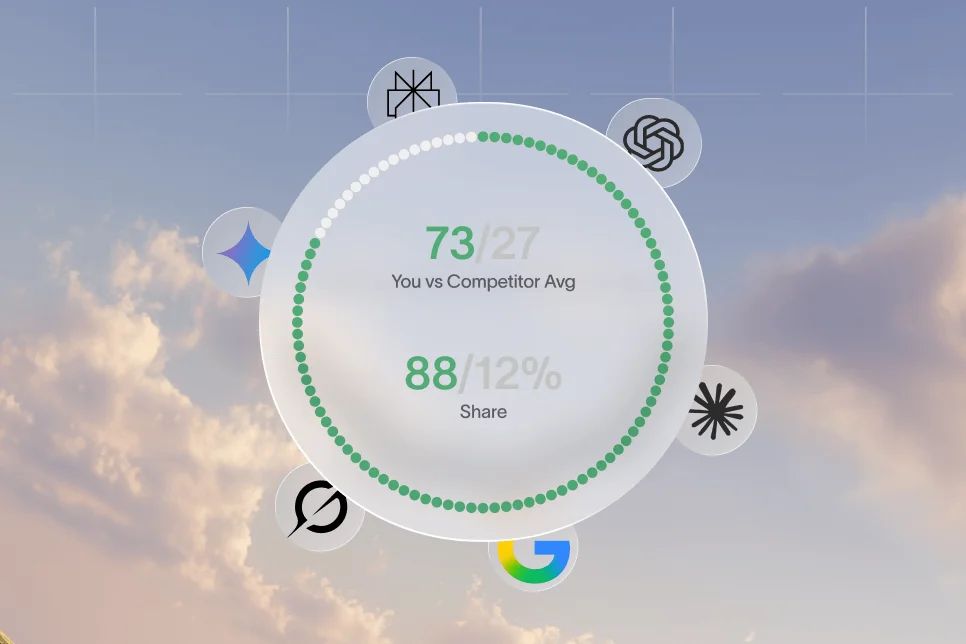
- Citation visibility in AI answers
- Refresh impact by page group
For teams working on AI visibility specifically, our AI authority audit guide can help frame what to measure beyond rank tracking alone.
Building “thought leadership” nobody can use
This one stings because it usually comes from good intentions.
You want a differentiated point of view. Good. But if the page offers no definitions, no examples, and no usable structure, it becomes hard to cite and hard to convert.
As Sure Oak notes, SaaS SEO works when content targets audience pain points in a way that builds visibility, credibility, and trust. Trust is the real currency here. Without it, citation is unlikely.
How to run a citation-first operating rhythm each quarter
This is where content stops being a publishing project and becomes an operating system.
You need a repeatable rhythm. Not a burst of output every time the quarter looks soft.
A simple quarterly rhythm that holds up
Month 1 is for audits and prioritization.
Review your existing pages by business value, citation potential, and decay risk. Identify overlapping URLs, missing commercial pages, and weak clusters.
Month 2 is for rebuilds and refreshes.
Update your highest-potential pages first. Improve structure, tighten definitions, add proof, and connect the internal linking paths.
Month 3 is for expansion.
Only after the existing cluster is coherent should you add adjacent pages. That prevents the library from turning into another content graveyard.
This is also why fragmented teams struggle. Content, SEO, design, and demand gen often work from different scoreboards. A citation-first model forces alignment because the page has to do more than rank. It has to represent the brand inside the answer layer.
If you want a system that combines planning, content execution, and AI search visibility in one place, Skayle is useful in exactly that context. The value is not “write faster.” The value is creating a measurable ranking and visibility workflow that compounds.
Questions teams ask when they start shifting their SaaS SEO model
Is SaaS SEO actually different from regular SEO?
Yes. The fundamentals are still search intent, technical health, internal linking, and useful content. The difference is that SaaS SEO has to support a product-led or sales-led funnel, which makes commercial intent, trust, and conversion design far more important.
Do AI citations reduce clicks too much to justify content investment?
Sometimes they reduce low-intent clicks. That is not automatically bad.
If your content gets cited in higher-intent journeys, the traffic you do earn can be better qualified. The goal is not maximum clicks. It is stronger visibility across search and AI plus better downstream conversion.
Should we stop publishing blogs and only build landing pages?
No. You still need educational content.
But the mix should change. More of your library should be built as durable resources tied to buying questions, recurring workflows, and comparison intent rather than endless top-of-funnel commentary.
How many pages do we need before AI starts citing us?
There is no clean threshold.
Citation tends to follow clarity, trust, and topical depth more than raw page count. A tight cluster of strong pages can outperform a sprawling library of generic posts.
What should we measure first if we want proof this is working?
Start with three views at once: target-page organic traffic, conversion influence, and citation presence for priority prompts.
If you only watch rankings, you will miss the broader visibility shift. If you only watch pipeline, you will struggle to diagnose what changed upstream.
A citation-first content strategy is really a decision about what kind of authority you want to build. You can keep publishing to fill a calendar, or you can build a library that gets reused by search engines, AI systems, and buyers who are trying to make a decision.
The second path is slower at the start. It compounds harder.
If your team is trying to understand where your brand appears in AI answers, where your content library is thin, or which pages deserve a serious refresh, that’s the right moment to measure your AI visibility and rebuild around authority instead of volume.