
TL;DR
Most partner pages fail because they announce integrations instead of helping buyers evaluate them. Audit your SaaS integration SEO for intent fit, evidence depth, entity clarity, and conversion path, then rebuild pages around workflows, trust signals, and AI-ready structure.
A lot of SaaS teams think they have an ecosystem page problem when they actually have a visibility problem. The logos are there, the integration pages exist, and the sales team mentions partnerships constantly, but nothing ranks, nothing gets cited in AI answers, and almost nobody lands on those pages unless they already know your brand.
I’ve seen this happen more than once: a company invests months into building a partner directory, only to realize the whole thing behaves like a brochure instead of an acquisition channel. In 2026, that gap matters more because AI answers reward pages that explain real compatibility, use cases, and trust signals clearly.
Why most integration pages look alive but perform like dead inventory
If your integration pages don’t explain who the integration is for, what jobs it solves, and how it fits buyer evaluation, AI systems usually skip them.
That’s the core problem with SaaS integration SEO.
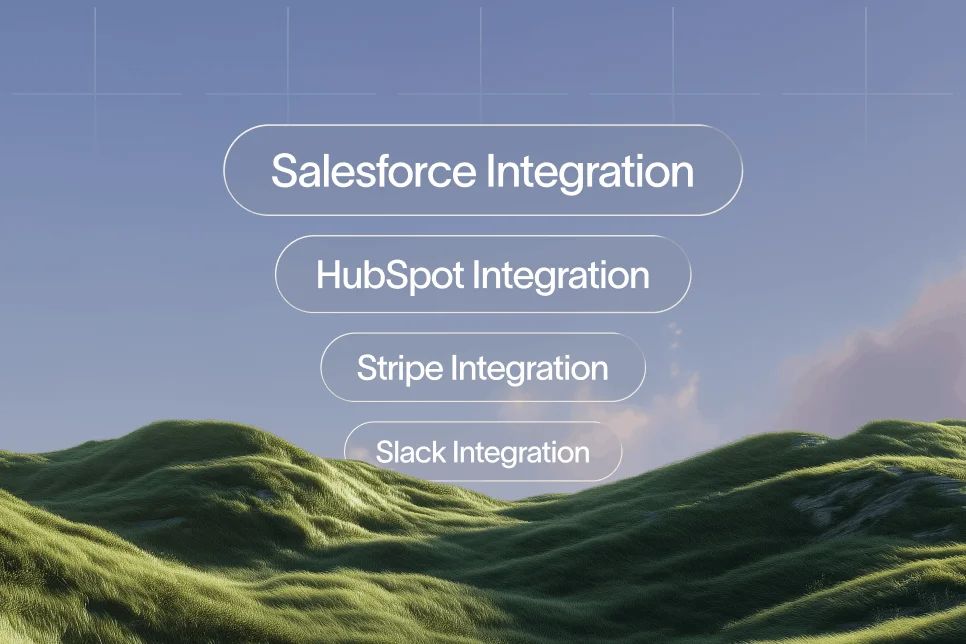
Most teams publish partner pages for relationship signaling, not for search demand. The page exists to reassure prospects that the integration is real, but not to capture searches like “your product + Salesforce,” “HubSpot integration for revenue attribution,” or “Slack alerts for incident workflows.”
That worked badly in classic SEO. It works even worse in AI search.
According to Yes Optimist, modern SaaS SEO is increasingly tied to qualified pipeline from both organic search and AI answer engines. That shift changes the bar for integration pages. A thin page with a logo, 60 words, and a generic CTA is not a content asset. It’s inventory with no discoverability.
I also think teams underestimate how often integrations show up during evaluation. AEO Engine notes that buyers actively look for integration compatibility and feature parity when evaluating SaaS tools. That matches what most of us see in pipeline reviews: prospects don’t just ask whether your product works. They ask whether it fits their existing stack.
So when your partner ecosystem feels like a ghost town, the issue usually isn’t page count. It’s that your pages fail three tests:
- They don’t match real search intent.
- They don’t provide enough decision-ready detail to earn AI citations.
- They don’t turn partner interest into product-qualified traffic.
This is where I take a slightly contrarian stance: don’t start by creating more integration pages. Start by making fewer pages substantially better.
Teams love scale because it looks like progress. But 200 weak pages usually create crawl waste, content maintenance debt, and messy reporting. Twenty high-intent pages with strong use cases, internal links, schema support, and clean conversion paths will outperform a bloated ecosystem hub almost every time.
If you’re already dealing with content sprawl, this is the same problem we see in decaying blog libraries. A focused content refresh strategy often creates more upside than publishing another batch of low-context URLs.
What a real audit looks like when you’re checking SaaS integration SEO
When I audit integration SEO, I don’t start with rankings. I start with page purpose.
A partner page can serve at least four jobs:
- capture bottom-funnel integration queries
- support comparison and evaluation
- reinforce category authority
- give AI systems a clean, citable source about compatibility
If the page does none of those well, rankings are a side effect, not the root issue.
I use a simple model called the integration visibility audit. Nothing fancy. Just four checks that surface whether the page deserves traffic.
The integration visibility audit
- Intent fit: Does the page match what someone is actually searching?
- Evidence depth: Does it explain the workflow, use case, and outcome clearly?
- Entity clarity: Is it obvious what connects, who it’s for, and what tools are involved?
- Conversion path: Does the next click make sense for someone evaluating the integration?
That model is simple enough to reuse, and it’s practical because it forces you to look beyond metadata.
Start with the search pattern, not the partner list
Most ecosystem pages are organized internally: strategic partners, marketplace apps, featured integrations, certified agencies. Buyers don’t search that way.
They search in messy, task-based language:
- product + integration
- product + connector
- can tool A work with tool B
- best way to sync tool A with tool B
- tool A vs tool B for a shared workflow
DesignRevision emphasizes the importance of content architecture in SaaS SEO, and that’s exactly what goes wrong here. The architecture reflects your org chart instead of buyer intent.
If you sell to RevOps teams, a Salesforce integration page shouldn’t just say the integration exists. It should explain what syncs, what breaks without the sync, who owns it internally, and what business outcome it supports. If you sell to support teams, a Zendesk integration page should talk in support workflow language, not generic platform language.
Then check whether the page gives AI systems anything worth citing
AI answers don’t cite pages because the title tag is clever. They cite pages that package information clearly.
That means your page should make a few things easy to extract:
- one-sentence definition of the integration
- key workflows supported
- setup or usage prerequisites at a high level
- ideal user or team
- limitations or edge cases if relevant
- supporting proof such as screenshots, docs, examples, or customer use cases
This is one reason structured content beats clever copy. As documented by Briskon, structured data environments matter for SaaS discoverability. You don’t need to overcomplicate this. You do need pages that are machine-readable and human-useful.
Finally, audit the conversion path like a product page
A lot of partner pages rank poorly because they convert poorly.
That sounds backward, but it isn’t. Weak pages create weak engagement signals. They confuse users. They push traffic back to site search. They often send people to a generic demo request instead of the next logical step.
For an integration page, the next step might be:
- view setup documentation
- book a workflow-specific demo
- start a trial with the integration preselected
- read a use-case page
- compare integration approaches
That’s where design matters. If the page is built like a brand announcement, visitors bounce. If it’s built like a buying aid, they move.
The fixes that actually move visibility, citations, and clicks
Once you’ve audited the pages, the repair work is usually straightforward. Not easy, but straightforward.
Here’s the checklist I use when rebuilding a weak integration page.
- Rewrite the hero so it states the user outcome, not just the partnership.
- Add a short definition block that explains exactly what the integration does.
- Break the body into use cases tied to real teams or jobs.
- Add proof elements: screenshots, workflow diagrams, customer quotes, or support documentation links.
- Tighten internal linking from solution pages, feature pages, and related integrations.
- Add FAQ content that answers buyer language directly.
- Align the CTA with evaluation stage instead of forcing a generic demo.
- Review indexation, canonicals, and duplicate content patterns.
That’s the difference between an ecosystem page and an acquisition page.
Rewrite for decision-ready clarity
A weak page says: “Connect Product A with Product B.”
A stronger page says: “Sync customer events from Segment into your support workflow so your team can prioritize high-value accounts faster.”
See the difference? One announces compatibility. The other explains value.
This is also where product-led content comes in. In a widely shared Reddit discussion on SaaS SEO, practitioners call out product-led content as one of the highest-converting SEO plays in SaaS. Integration pages fit that model when they show how the product works in a real stack, not when they read like press releases.
Build pages around workflows, not features
I made this mistake years ago on a B2B software site. We grouped everything around product features because that was easier for the internal team to approve. Traffic stayed flat. Sales kept saying prospects asked integration questions on calls that the website never answered.
The fix was boring but effective: we rewrote pages around actual workflows.
Instead of:
- API sync
- custom field mapping
- automated triggers
we used:
- route sales-qualified leads from forms into CRM
- alert account managers when product usage drops
- sync billing changes to customer success workflows
That change made the pages easier to skim, easier to cite, and easier to convert from.
If you’re trying to scale this across dozens of pages, the constraint is usually workflow consistency. That’s why teams need editorial rules and standardized page patterns, which is the same challenge covered in our guide to scaling SaaS content.
Add the missing trust layer AI systems look for
AI answer engines tend to favor pages that feel specific and verifiable.
So add the assets your current pages are probably missing:
- plain-language compatibility explanation
- use-case sections by role or team
- links to official setup docs
- references to supported objects, events, or workflows at a high level
- notes on limitations or plan requirements
- customer evidence where you have it
This is also where a platform like Skayle can fit naturally. If you’re trying to measure which integration pages rank, which ones get cited, and where your brand appears in AI-generated answers, Skayle helps companies track that visibility and turn content work into something measurable instead of anecdotal.
A before-and-after example from a typical partner page teardown
Let’s make this concrete.
Imagine a page targeting “Slack integration” for a SaaS tool used by customer support teams.
Baseline
The original page has:
- a headline that says “Slack Integration”
- 90 words of generic copy
- one product screenshot
- a “Book Demo” button
- no use cases
- no FAQ
- no internal links except the nav
It gets indexed, but it doesn’t rank meaningfully for bottom-funnel terms. It also doesn’t show up when people ask AI tools whether the product can send alerts, create workflows, or route support events through Slack.
Intervention
The revised page includes:
- a headline built around the outcome: “Send support alerts and customer events into Slack”
- a 50-word definition block summarizing what the integration does
- three use-case sections for support leads, CSMs, and ops teams
- a short section on what data or events sync at a high level
- a setup expectations block
- FAQ entries answering compatibility questions
- links from support workflow pages, alerting pages, and marketplace hub pages
- a CTA to view setup docs or start a trial with Slack enabled
Expected outcome and measurement window
I can’t give you fabricated lift numbers, and nobody should. But I can tell you how to measure the result honestly over 6 to 8 weeks:
- baseline organic impressions in Google Search Console
- landing-page engagement in Google Analytics
- assisted conversions or trial starts attributed to the URL
- AI answer inclusion checks for target prompts
- citation frequency and brand mention patterns
The success pattern you’re looking for is simple: more impressions for integration-intent terms, better engagement from that traffic, more internal click-through to evaluation pages, and a higher rate of branded or assisted conversion.
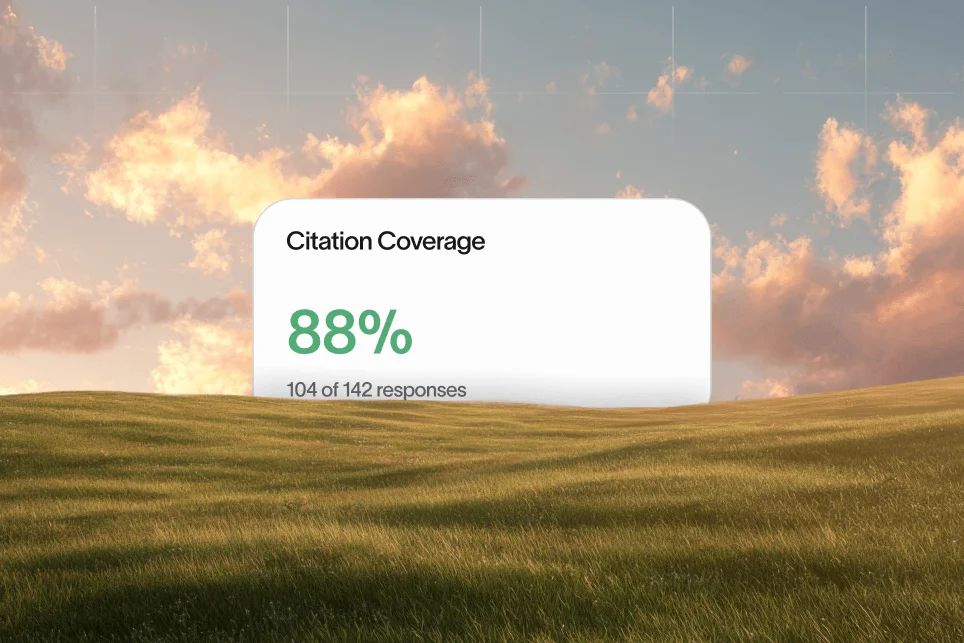
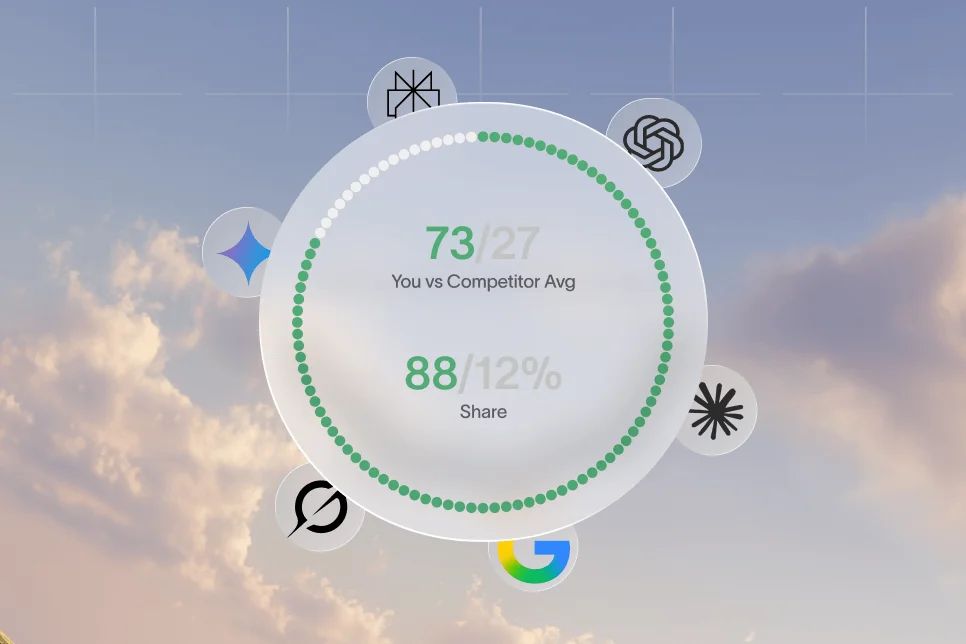
If you want a sharper layer of visibility, this is where auditing your presence across AI engines matters. We covered that in our AI visibility audit guide, especially around citation coverage and authority signals.
The mistakes that quietly kill partner page performance
Most integration SEO failures are not dramatic. They’re quiet. The pages exist. The crawl happens. The content team moves on. Six months later, nobody can explain why the ecosystem section has no measurable impact.
Here are the mistakes I see most often.
Publishing duplicate pages with swapped brand names
This is the classic partner program trap.
You create 40 pages using the same layout and nearly identical copy. The only change is the tool name. Search engines and AI systems don’t see unique value. They see templated content with thin differentiation.
Templates are fine. Indistinguishable pages are not.
Every integration page needs unique value at the use-case level. That means specific workflows, teams, benefits, constraints, and internal links.
Hiding the useful details in docs instead of on the landing page
Docs are important, but they usually target existing users.
Your integration landing page should answer evaluation questions before a prospect commits to a trial. If all the specifics live in documentation, the landing page won’t rank for decision-stage queries and won’t earn citations easily.
A good rule: put enough substance on the page to help a buyer decide whether to click deeper.
Forcing a demo CTA too early
Not every integration visitor is demo-ready.
Some people want to confirm compatibility. Some want to understand whether the workflow matches their team. Some are comparing you against a competitor. A hard demo CTA on every page ignores intent.
Directive Consulting argues in its customer-led SaaS SEO guide that SaaS SEO should orient around qualified pipeline, not vanity metrics. I agree, but pipeline comes from intent-matched paths. On many integration pages, the right move is not “book demo.” It’s “see how the integration works” or “read setup details.”
Treating the ecosystem hub as the only page that matters
Your ecosystem hub is useful for navigation. It is usually not the page that wins the search.
The real work happens on individual integration pages, related use-case pages, and the internal linking between them. That architecture is what creates topical authority around your ecosystem, not the existence of a single partner directory.
Ignoring maintenance after launch
Integration pages decay fast.
Partners change names. Features evolve. screenshots get stale. Workflows expand. If you don’t revisit them, they become inaccurate, and inaccurate pages stop earning trust.
That’s why this should live inside your broader content maintenance process, not as a one-time launch project.
How to make your ecosystem easier for AI to cite in 2026
In an AI-answer world, brand is your citation engine.
That doesn’t mean brand awareness alone wins. It means AI systems are more likely to surface pages that combine recognizable entities, clear claims, and useful structure. Your integration page has to read like a trustworthy answer source, not a marketing stub.
Here’s what helps most.
Use clean, extractable blocks
Write short answer-ready paragraphs.
For example, a strong definition block might say: “The HubSpot integration lets revenue teams sync lead, account, and lifecycle data between systems so sales and marketing work from the same customer record.” That’s easy for a buyer to understand and easy for an AI system to quote.
Connect entities clearly
Make sure each page names:
- your product
- the partner product
- the team or role
- the workflow or outcome
- the context where the integration matters
That sounds basic, but a lot of pages are surprisingly vague. They assume the logo does the explanatory work.
It doesn’t.
Support the page with internal authority
AI visibility is rarely won by a standalone URL. It’s won by a network.
Your integration page should connect to:
- related use-case pages
- category or solution pages
- help center documentation
- comparison pages where relevant
- ecosystem hub pages
Briskon’s discussion of structured discoverability is useful here, but so is simple site architecture. The better your internal context, the easier it is for search engines and AI tools to understand why the page matters.
Make reporting actionable, not decorative
A lot of teams report on integration SEO with vanity snapshots: total pages, total clicks, branded rankings.
That’s not enough.
Track the funnel that matters now:
impression -> AI answer inclusion -> citation -> click -> conversion
If you can’t observe all five perfectly yet, that’s fine. Start with a practical version:
- search impressions for integration queries
- ranking improvements on high-intent pages
- AI answer presence for core prompts
- on-page engagement and CTA clicks
- trials, demos, or influenced pipeline from those URLs
Questions teams ask when integration pages stop pulling their weight
What is SaaS integration SEO?
SaaS integration SEO is the process of optimizing partner, connector, and compatibility pages so they rank for integration-intent searches and show up in AI-generated answers. The goal is to capture evaluation-stage demand from buyers who care whether your product fits their existing stack.
Why don’t integration pages rank even when the integration is real?
Because search engines and AI systems rank pages based on usefulness, clarity, and intent match, not on whether the partnership exists. A real integration with a thin page can still be invisible if the page doesn’t explain workflows, use cases, and compatibility clearly.
Should every partner get its own landing page?
No. Give dedicated pages to integrations with real search demand, meaningful buyer impact, or clear product value. If an integration has no search intent and no conversion role, a directory mention may be enough.
How many words should an integration page have?
There is no perfect word count. In practice, the page needs enough substance to explain the integration, answer buyer questions, and support the next step. That usually means more than a short announcement and less than a bloated feature manual.
What matters more for AI search: schema or copy?
You need both, but copy usually fails first. Structured data and clean page architecture help machines interpret the content, while clear definitions, workflow sections, and FAQs give them something worth surfacing.
What’s the best CTA on an integration page?
It depends on intent. For early evaluation, setup docs, workflow walkthroughs, or product tours often work better than a generic demo request. For high-intent enterprise pages, a demo can still be the right move if the page has done enough work first.
Your partner ecosystem should not be a logo cemetery. It should be a set of pages that prove compatibility, earn citations, and help buyers move from question to evaluation without friction.
If you’re cleaning up an ecosystem section and want a clearer read on where your pages stand in search and AI answers, Skayle can help you measure that visibility and spot the gaps worth fixing first.