
TL;DR
Our Product Hunt launch conversations showed that AI SEO for SaaS is not a content volume problem. Founders struggle more with authority, execution speed, citation visibility, and connecting traffic to conversion. The teams that win treat content as a ranking and citation system, not a publishing calendar.
Launching on Product Hunt gave us something more useful than traffic spikes or badge screenshots. It put us in direct conversations with SaaS founders who were all trying to solve the same problem from different angles: they had more ways to generate content than ever, but far less confidence that any of it would rank, get cited, or convert.
What surprised me was how consistent the bottlenecks were. Different stages, different teams, different categories, same pattern: content output was rising, but authority, measurement, and execution were still lagging behind.
A short answer up front: AI SEO for SaaS works when content is treated as a ranking system, not a publishing task.
What founders kept telling us, in plain terms
During the launch, I heard versions of the same sentence again and again: “We can make content fast now, but we still don’t know what will actually win.” That gap matters more in 2026 than it did even a year ago.
The shift is simple. Search is no longer just a list of blue links. According to Cody Slingerland’s piece on SEO for SaaS in the AI era, the focus is moving toward AEO and GEO, where earning references inside AI-generated summaries matters as much as classic rankings.
That matches what founders told us.
They were not asking, “How do I write 50 blog posts this month?” They were asking:
- How do I know which topics deserve effort?
- How do I ship without waiting on engineering?
- How do I turn AI-generated drafts into pages that deserve citations?
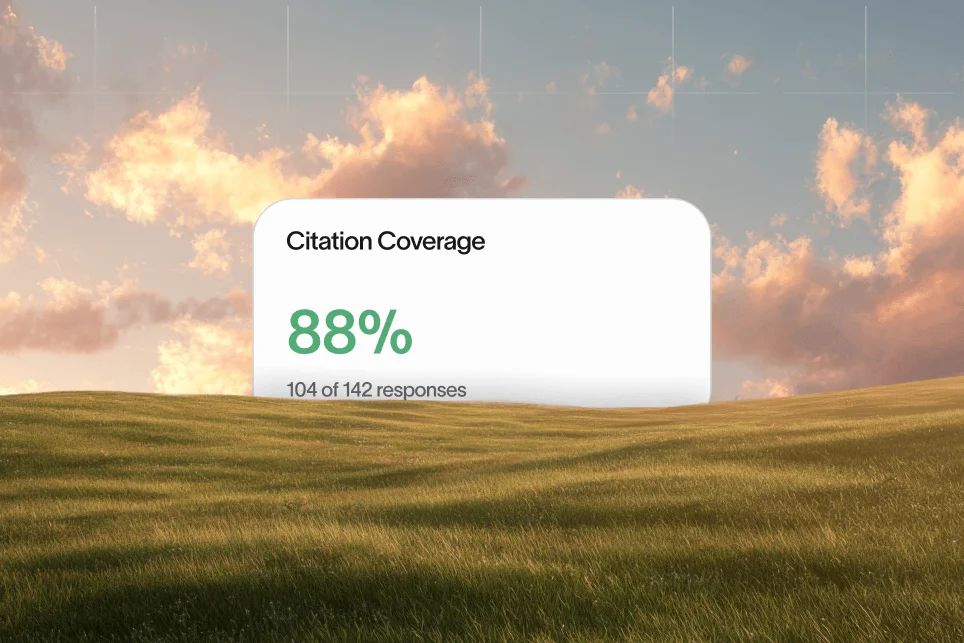
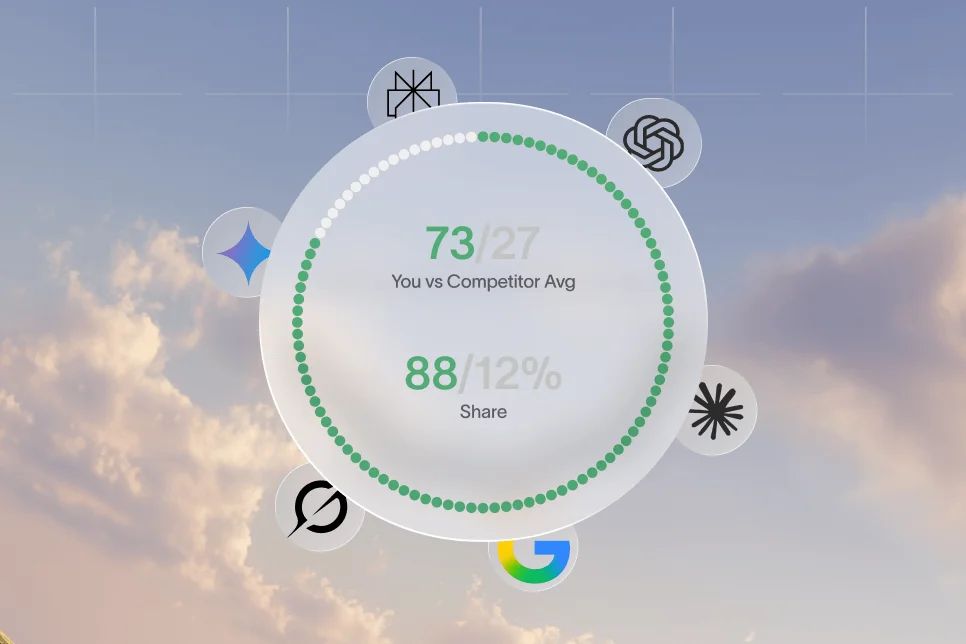
- How do I measure whether AI search is actually mentioning us?
- How do I connect all of that to pipeline instead of vanity traffic?
That is the real business case for AI SEO for SaaS. The page is no longer optimized only for click-through rate from a traditional SERP. The new path is impression -> AI answer inclusion -> citation -> click -> conversion.
If you miss the citation step, you are already late.
A lot of teams still act like more content volume will solve this. It usually does not. We have covered the broader shift in our SEO guide, but the launch conversations made the problem feel sharper: founders do not need another writing shortcut. They need a tighter system for authority, speed, and measurement.
1. Publishing faster is not the same as building authority
This was the biggest pattern by far.
Founders had already tried the obvious move. They used AI to produce more pages, more articles, more landing pages, more supporting content. Output went up. Confidence did not.
Why? Because AI SEO for SaaS breaks when teams confuse content inventory with topical authority.
As Market Engine argues, SaaS teams need to move beyond just blogs and keywords toward a system that builds topical authority for AI citations. That line came up in our founder calls without anyone quoting it directly. People felt it in practice.
They had pages. What they lacked was a reason for Google or AI systems to trust those pages over stronger, clearer, more experience-backed alternatives.
The contrarian takeaway
Don’t try to win AI SEO for SaaS by publishing more pages first. Build a smaller body of pages that are easier to cite, easier to trust, and easier to connect.
That means each page should do four things well:
- State the point clearly.
- Show evidence or real process detail.
- Connect to a broader topic cluster.
- Give the reader a next step.
I kept seeing the same failure mode: a founder would say they had 150 articles live, but when we looked closer, many of them were isolated, overlapping, or too generic to earn citations.
A page titled “What Is AI SEO?” is not enough anymore if it repeats the same surface-level explanation every other site has.
A stronger page might define the concept in one quotable sentence, compare old SEO assumptions to new citation-driven behavior, give a founder-level example, and link into a broader cluster on AI visibility, content maintenance, and measurement. That is closer to what AI systems can actually extract and trust.
If your content sounds like everyone else’s summary, you have made yourself easy to ignore.
A reusable model: the citation-ready page
The simplest model we kept coming back to is the citation-ready page. It has four parts:
- A direct answer near the top.
- A clear point of view.
- Specific evidence, process, or examples.
- Strong internal context around related topics.
It is not fancy. That is the point.
When founders started framing content this way, the conversation changed from “How many posts can we publish?” to “Which pages could realistically be cited in an AI answer?” That is the better question.
For teams using AI heavily in drafting, this also means the editing pass matters more than the generation pass. We broke down some of that thinking in our guide to more human AI articles, especially the part where voice, evidence, and specificity make a page more usable for both readers and search systems.
2. The real bottleneck is usually execution speed, not ideas
Founders rarely complained about a lack of content ideas. They complained about waiting.
Waiting on developer tickets. Waiting on design tweaks. Waiting on CMS changes. Waiting on someone to update old pages. Waiting on analytics cleanup before they could trust what they were seeing.
This is where AI SEO for SaaS stops being a content problem and becomes an operations problem.
According to Alli AI, some SEO changes can now be deployed in under 60 seconds without going through the usual developer queue. Whether a team uses that exact tool or not, the founder reaction to that kind of speed is telling. The bottleneck has been accepted as normal for too long.
What the delay actually costs you
When SEO execution takes weeks, three things happen:
- High-intent pages sit under-optimized.
- Old content decays quietly.
- Reporting gets separated from action.
That last one matters most. A lot of teams can tell you what is underperforming. Far fewer can fix it fast enough for the insight to matter.
One founder told us their team had a spreadsheet full of title tag updates, internal link opportunities, and stale pages to refresh. None of it was controversial. None of it was difficult. It just kept losing priority because every change required coordination across too many people.
That is common.
A practical checklist founders can use this quarter
If your AI SEO for SaaS effort feels stuck, audit execution speed first.
- List the top 20 pages that influence demos, trials, or qualified traffic.
- Mark which of those pages can be updated by marketing without engineering help.
- Record the average time between spotting an issue and shipping the fix.
- Identify where refreshes get blocked: content, design, approvals, CMS, or dev.
- Reduce one handoff this month, even if the process stays imperfect.
- Set a 30-day refresh calendar for pages that already have authority.
- Track whether fixes change rankings, AI mentions, clicks, and conversion rate.
That list sounds almost boring, which is why it works.
The founders making progress were not always the ones with the biggest teams. They were the ones who had fewer bottlenecks between insight and action.
3. Generic AI content is easy to publish and easy to ignore
This one came up with almost every founder who had already experimented with AI writers.
The first few weeks usually feel great. Drafts appear quickly. The content calendar fills up. Costs look better. Then the team realizes the pages are clean but forgettable.
That is the trap.
AI answers pull from sources that feel trustworthy and uniquely useful. Brand is your citation engine. If your content has no point of view, no proof, and no memorable structure, you have given AI systems very little reason to surface you.
What founders were actually missing
Most teams did not need better prompts. They needed better source material.
The strongest pages usually had at least one of these:
- A specific founder insight from sales calls or customer interviews
- A real before-and-after example from a page refresh
- A clear explanation of why one approach fails and another works
- A concise definition that can stand alone in an AI answer
- A practical process someone could reuse without guessing
That is why “generate more content” is such weak advice.
A mini case study shape that actually helps
When we talked about content that earns trust, the most useful structure was simple: baseline -> intervention -> outcome -> timeframe.
If you do not have hard numbers yet, do not fake them. Use a measurement plan instead.
For example:
- Baseline: product comparison pages were getting impressions but low clicks and no clear evidence of AI answer inclusion.
- Intervention: rewrite the introduction for direct answer clarity, add comparison logic, tighten internal links, refresh examples, and add FAQs.
- Expected outcome: better extractability, higher click-through rate, and stronger citation coverage on bottom-funnel queries.
- Timeframe: measure over 6 to 8 weeks in Google Analytics and Google Search Console.
That kind of specificity helps teams write better and measure better.
It also helps pages become more citable. AI systems can lift direct definitions, comparison criteria, and cleanly structured answers much more easily than vague paragraphs.
The design side founders underestimate
A page can be factually good and still underperform if it is hard to scan.
When content teams showed us pages that were not converting, the issues were often basic:
- weak subheads n- long intros that hid the answer
- no visual hierarchy
- generic calls to action
- no proof near the top
Good AI SEO for SaaS content is not just readable. It is extractable.
That means short sections, direct phrasing, clear bullets, and answers that make sense even when quoted out of context.
4. Teams still struggle to measure AI visibility in a useful way
This was the most frustrating pain point founders described.
They could measure traffic. They could measure keyword positions. Some could measure conversions well. But when it came to AI answers, citations, and visibility across tools, they mostly had partial snapshots.
That creates a dangerous gap. If AI search is influencing awareness and consideration before the click, traditional reporting undercounts what is happening.
Why old dashboards are not enough
Classic SEO reporting tends to answer questions like:
- Did rankings move?
- Did organic sessions increase?
- Did this page convert?
Those are still useful. They are just incomplete now.
The newer questions founders asked were sharper:
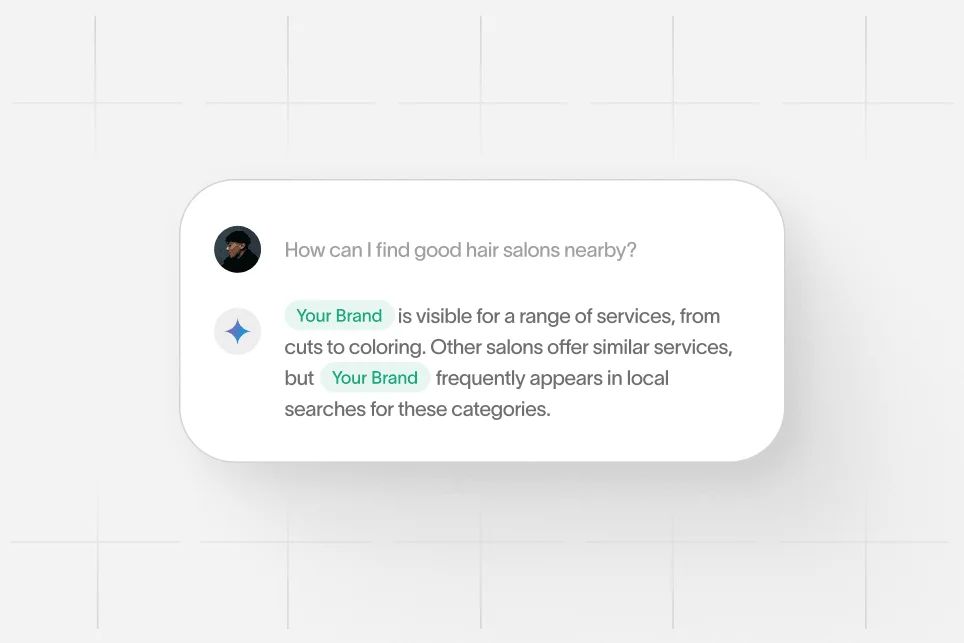
- Are we showing up in AI-generated answers for our category terms?
- Which pages get cited versus ignored?
- Are competitors shaping the narrative before the click?
- Which content formats produce mentions, not just visits?
That shift is why monitoring alone is not enough. A team might know they are absent from AI answers and still have no system to fix it.
That is also where a platform like Skayle can fit naturally. It helps companies rank higher in search and appear in AI-generated answers by connecting content creation, optimization, and visibility tracking in one workflow, rather than splitting reporting from execution.
What to measure instead of guessing
You do not need a perfect AI visibility dashboard on day one. You need a working scorecard.
Track these five things first:
- Priority query coverage in Google and AI surfaces
- Citation presence for core commercial and educational topics
- Organic clicks to pages designed for answer inclusion
- Conversion rate from those pages
- Refresh velocity on pages that influence pipeline
This is one reason content maintenance is becoming more important than net-new production. A founder can publish 20 new pages and still lose ground if the 10 pages that matter most are stale. We have gone deeper on that in our maintenance guide because refreshing authority pages often returns faster than starting from zero.
5. The winners connect content, citations, and conversion on the same page
The best founder conversations were not about traffic for traffic’s sake. They were about pipeline.
That sounds obvious, but a lot of AI SEO for SaaS work still gets evaluated in a weird middle zone. Teams celebrate publishing, rankings, or impressions, but they do not design pages for the full journey.
The full journey is not just search -> click -> signup anymore.
It is impression -> AI answer inclusion -> citation -> click -> conversion.
If you accept that path, page design changes.
What a citation-friendly commercial page looks like
A page with a real chance to influence pipeline usually includes:
- A one-sentence answer near the top
- A clear use case or problem framing
- Comparison logic or decision criteria
- Specific proof, examples, or observed workflow details
- A CTA that fits the visitor’s intent
One founder showed us a page that ranked decently but converted poorly. The issue was not the traffic. The issue was that the page read like a generic explainer while attracting decision-stage visitors.
The fix was not dramatic. They reworked the page around intent:
- moved the direct answer higher
- added a short section on who the solution is for
- clarified tradeoffs between approaches
- inserted FAQs based on real sales objections
- connected the page to product-adjacent comparison and strategy content
That is the kind of work that compounds.
A practical example of the shift
Take a page targeting “AI SEO for SaaS.”
The weak version says AI can help with keyword research, content writing, and optimization. True, but generic.
The stronger version says AI SEO for SaaS is the process of building pages that can rank in Google, appear in AI answers, and convert visitors by combining content quality, topical authority, and measurable citation coverage. Then it explains what that means for founders, shows the operational bottlenecks, and lays out what to do next.
That second version gives search systems and buyers something to work with.
Tool choices founders were actively weighing
A few launch conversations were not just about strategy. They were about category confusion.
Founders were trying to understand whether they needed a monitoring tool, an execution platform, a content workflow, or all three. That is a good question, and the answer depends on where the bottleneck lives.
Searchable
Some teams mainly want to monitor how they appear in AI results and track brand visibility. That can be useful if the current gap is measurement.
The tradeoff is that monitoring by itself does not fix the pages, briefs, refresh cycles, or internal linking decisions behind the visibility problem. We unpacked that difference in our comparison of ranking systems and monitoring because a lot of teams are choosing between awareness and execution when they actually need both.
Profound
Profound is often mentioned in conversations about AI visibility and research workflows. Founders looking across the landscape tend to evaluate it when they want better insight into AI-era search behavior.
The key question is whether the team also has a repeatable process for turning that insight into ranking pages, refreshed clusters, and conversion-ready content.
Internal ownership beats tool sprawl
The strongest teams were not necessarily the ones with the most software. They were the ones that had made one clear decision: who owns citation growth?
If no one owns it, the work gets trapped between SEO, content, and growth.
If one team owns it but cannot ship changes, the work stalls.
If reporting and publishing live in separate systems with separate goals, the feedback loop breaks.
That is the hidden lesson from many founder conversations. Tool choice matters, but operating model matters more.
The mistakes that kept showing up
Once you hear enough similar stories, patterns become obvious.
Here are the mistakes I would avoid if I were rebuilding an AI SEO for SaaS motion from scratch in 2026.
Mistake 1: Treating AI content as a volume game
You will fill your site with pages that look complete but say very little.
Mistake 2: Letting engineering queues control SEO speed
If every fix needs a ticket, even easy wins move too slowly.
Mistake 3: Measuring only rankings and traffic
You will miss whether AI answers are shaping the decision before the click.
Mistake 4: Writing pages without a clear point of view
Neutral, generic summaries are easy to replace.
Mistake 5: Ignoring conversion intent on informational pages
Some of your best commercial assists start on educational content. If the path forward is weak, the page can rank and still underperform.
The questions founders asked most often
Is AI SEO for SaaS just regular SEO with AI writing tools?
No. AI SEO for SaaS now includes classic search rankings, but it also includes whether your content gets cited or referenced in AI-generated answers. The work is broader: authority, structure, refresh cycles, and visibility measurement all matter.
How do I know if my content can earn AI citations?
Start by checking whether a page gives a direct answer, a clear point of view, and some form of evidence or specific process detail. If the page reads like a generic summary, it is less likely to be surfaced in an AI answer.
Should early-stage SaaS teams focus on new content or refreshing old pages?
If you already have pages with impressions, some authority, or commercial relevance, refresh those first. In many cases, improving existing pages is faster and more efficient than publishing net-new content from scratch.
What is the minimum reporting setup for AI SEO for SaaS?
Use Google Search Console for query and page visibility, Google Analytics for engagement and conversion, and a workflow that tracks AI citation presence on priority terms. You do not need perfect attribution to start, but you do need consistent visibility checks tied to pages you can actually update.
Where should founders start if their team is overwhelmed?
Pick 10 high-value pages. Rewrite the top section for direct answer clarity, tighten internal links, add FAQs from real customer questions, and refresh outdated examples. Then measure movement over 30 to 60 days before expanding the program.
What we took away from the launch
The launch did not teach us that founders want more content. It taught us they want more certainty.
They want to know which pages deserve investment, which signals matter now, and how to turn scattered SEO work into something measurable. That is the real shift inside AI SEO for SaaS: from content production to citation-capable authority.
If you are trying to bridge the gap between generating content and winning AI search citations, start smaller than you think. Pick the pages closest to revenue. Make them easier to trust, easier to extract, and easier to update. Then build outward from there.
If you want a clearer picture of where your brand shows up before the click, Skayle helps teams measure AI visibility, improve citation coverage, and connect that work to pages that can actually rank and convert.
References
- SEO for SaaS in the AI era
- 6 Proven Ways AI SEO Outperforms Traditional SEO for SaaS Companies
- SaaS SEO Automation Using AI
- 11 Best AI SEO Tools for B2B SaaS Growth Teams
- How AI is reshaping SEO for SaaS and how we can stay …
- AI SEO Agency for SaaS
- How We Grew SaaS AI Tool SEO from 0 to 60K Visitors
- 22 Best AI-Powered SEO Tools for SaaS Companies in 2026