
TL;DR
Evaluating athenahq ai alternatives requires more than comparing dashboards. The most effective AI visibility platforms combine citation tracking, competitive insights, and execution workflows that help teams close AI citation gaps quickly.
AI search is changing how brands earn visibility online. Instead of ranking pages alone, companies now compete to be cited inside AI-generated answers.
Tools like AthenaHQ help teams monitor that visibility. But choosing an AI visibility platform requires more than comparing dashboards or prompt tracking features.
The real question is simple: an AI visibility platform should not only measure citations — it should help teams act on them.
AthenaHQ alternatives at a glance
| Evaluation need | What to compare | Why it matters |
|---|---|---|
| Citation tracking | Prompt history, cited URLs, and source-level evidence | Mentions without supporting evidence are difficult to act on |
| Competitor visibility | Shared prompts, answer framing, and citation gaps | Teams need to know why another brand was selected |
| Content execution | Briefs, updates, internal linking, and publishing workflows | Measurement creates value only when it changes the site |
| Reporting | Model, market, topic, and date filters | Different teams need different levels of evidence |
Use these criteria to compare AthenaHQ with alternatives. The right choice depends on whether the team needs monitoring alone or a system that connects visibility findings to content execution.
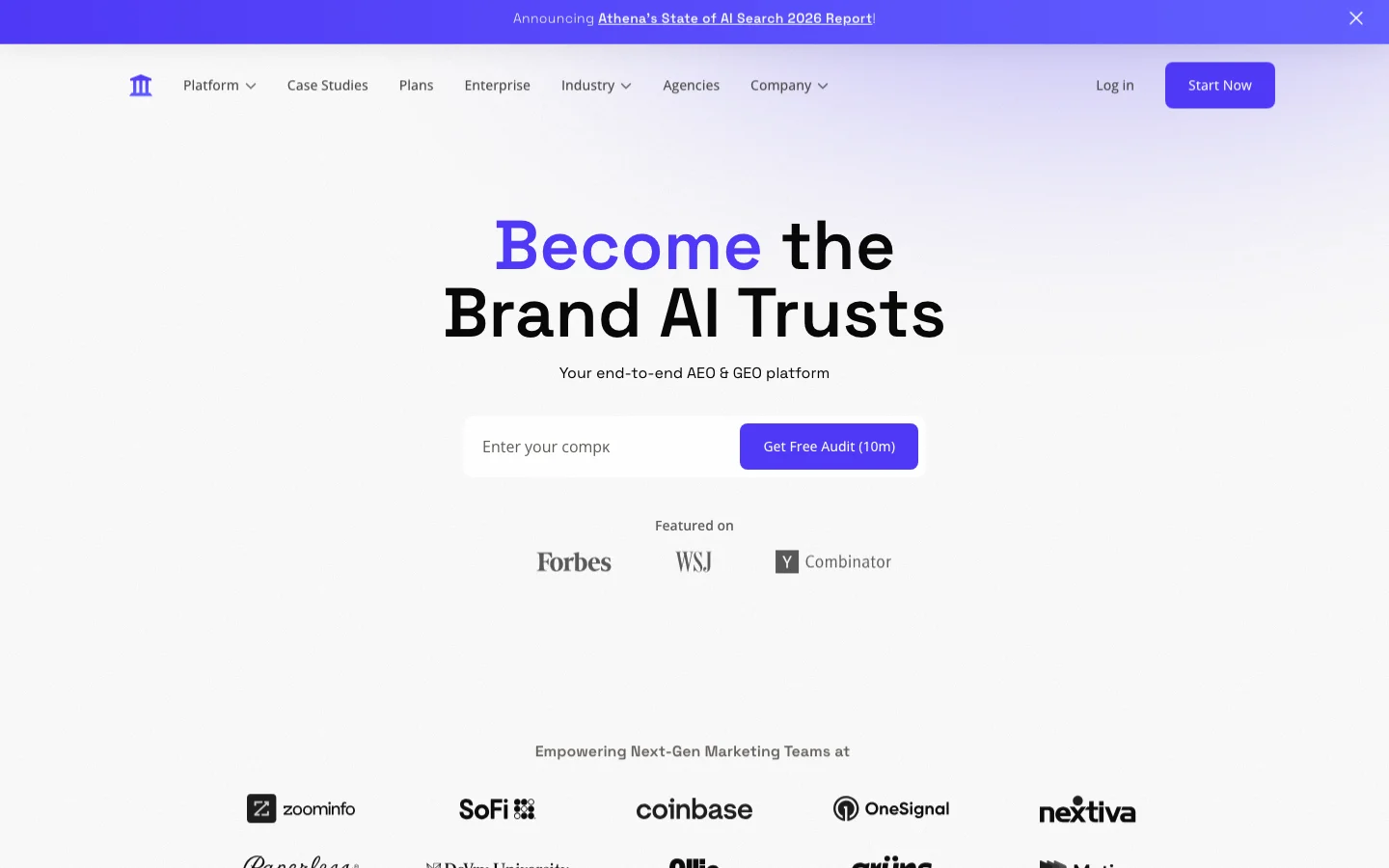
According to the official platform overview on AthenaHQ, the product positions itself as an end‑to‑end platform for Answer Engine Optimization (AEO) and Generative Engine Optimization (GEO). That category is growing quickly, which means many teams are now evaluating alternatives that provide different capabilities, workflows, or cost structures.
This guide breaks down what teams should actually evaluate when comparing AthenaHQ alternatives in 2026.
Why AI Search Visibility Platforms Exist
Traditional SEO tools were built to track rankings and backlinks.
AI search changes the discovery layer entirely.
Instead of returning ten blue links, large language models synthesize answers from multiple sources. Brands appear in these answers through citations, mentions, or recommendations.
Platforms in the AEO/GEO category aim to measure that behavior.
According to the Y Combinator company profile for AthenaHQ, tools in this category focus on identifying which brands are cited, recommended, or referenced by AI engines in response to user prompts.
That visibility matters because AI answers increasingly act as the first interaction point between users and software vendors.
A company that ranks #1 in Google but never appears in AI responses may effectively disappear from the discovery funnel.
Point of view: measurement alone is not enough
Many early AI visibility tools focus heavily on reporting dashboards.
However, measuring prompts without tying insights to content execution often leaves teams with interesting data but no clear way to improve results.
Platforms that combine visibility measurement with content systems typically produce faster improvements in AI citations.
This difference becomes critical when evaluating AthenaHQ alternatives.
The Four Capabilities Every AthenaHQ Alternative Should Be Evaluated Against
When evaluating AI visibility platforms, teams should look beyond surface features and instead compare structural capabilities.
The most useful evaluation framework focuses on four areas:
Citation tracking across AI engines
Competitive intelligence and sentiment signals
Execution workflows that close visibility gaps
Reporting clarity for operators and executives
These capabilities determine whether a tool simply reports AI visibility or actually helps improve it.
1. Citation Tracking Across AI Engines
The first evaluation layer is straightforward: can the platform reliably measure where your brand appears inside AI responses?
Platforms in this category typically analyze prompts across engines such as:
ChatGPT
Gemini
Perplexity
Claude
Google AI Overviews
The goal is to identify when a brand is:
cited as a source
mentioned in the response
recommended as a solution
AthenaHQ focuses heavily on this monitoring layer. According to the platform overview on AthenaHQ, the system tracks AI citations and recommendations to help teams understand where they appear in AI-generated answers.
However, when comparing alternatives, teams should evaluate deeper questions:
How many prompts are tracked?
How often are prompts executed?
Are prompts customizable by topic cluster?
Are competitors included in the analysis?
Many tools stop at simply logging responses. Stronger platforms also classify signals such as citations versus mentions, which gives teams a clearer picture of authority.
2. Competitive Intelligence and Sentiment Signals
AI answers do not just reference sources — they frame them.
Two tools may detect the same citation but interpret it differently depending on how the brand appears in the response.
Some platforms include sentiment or positioning analysis to help teams understand:
whether the brand is recommended
how competitors are framed
which sources AI prefers for a topic
A competitive review of AthenaHQ published by Rankability notes that the platform tends to focus on enterprise visibility monitoring rather than deeper competitive analytics.
Similarly, a comparison analysis published by Profound highlights that certain alternatives provide additional competitive intelligence features such as sentiment and qualitative analysis of AI responses.
This distinction matters because visibility without context can be misleading.
A brand appearing in an AI response might be mentioned negatively, listed after competitors, or cited as an example of a limitation.
Teams evaluating AthenaHQ alternatives should therefore look for tools that provide deeper response analysis rather than simple presence tracking.
3. Execution Workflows That Close Visibility Gaps
The biggest weakness in many AI visibility tools is the gap between insight and action.
Platforms often identify where a brand is missing from AI answers but provide no workflow to fix the problem.
This leads to a familiar situation:
The marketing team discovers a citation gap.
The insight is exported to another system.
Content updates are planned manually.
Weeks later, nothing has changed.
The most effective platforms collapse that loop.
Instead of stopping at dashboards, they help teams create or update content that increases citation likelihood.
That might include:
identifying missing topic clusters
generating content briefs
improving structured data
updating outdated articles
For example, some systems integrate visibility tracking with content operations so teams can immediately create or update pages that address missing citations.
This approach reflects a broader shift happening in SEO tooling.
Rather than separate tools for research, content, and reporting, teams increasingly prefer integrated systems that close the gap between discovery and execution.
A Simple Evaluation Model for AI Visibility Platforms
When teams compare AthenaHQ alternatives, a practical evaluation model helps clarify the decision.
A simple four‑step model can guide the process.
Step 1: Measure visibility
The platform should track AI prompts and identify citations or mentions.
Step 2: Diagnose gaps
The tool should explain why competitors appear in AI answers instead of your brand.
Step 3: Recommend improvements
The platform should suggest specific content or structural changes.
Step 4: Execute updates
Teams should be able to act on insights without leaving the system.
Many tools handle the first step well. Fewer support the remaining three.
This gap often explains why some companies measure AI visibility for months without seeing improvements.
Concrete Example: Closing an AI Citation Gap
Consider a SaaS company targeting the query "best AI SEO tools."
Initial monitoring shows that:
three competitors appear consistently in AI responses
the company never receives a citation
The visibility platform identifies that:
competitor pages include structured comparison tables
competitor content includes clear tool definitions
competitor pages contain extractable FAQ sections
The intervention may include:
publishing a structured comparison page
adding schema markup
expanding FAQs with concise definitions
Within several weeks of content updates, the brand begins appearing in AI answers.
The key insight is that AI visibility improvements rarely come from monitoring alone.
They usually result from targeted content adjustments.
Common Mistakes Teams Make When Evaluating AthenaHQ Alternatives
Many companies approach AI visibility tooling with the same assumptions used for traditional SEO platforms.
That approach often leads to poor decisions.
Mistake 1: Choosing dashboards over workflows
A sophisticated reporting interface does not necessarily improve visibility.
Teams should prioritize platforms that connect insights to action.
Mistake 2: Ignoring prompt coverage
AI visibility depends heavily on the prompts being tracked.
If prompts do not reflect real search behavior, visibility metrics become unreliable.
A strong platform should support topic‑cluster‑based prompts rather than static keyword lists.
Mistake 3: Treating AI search like traditional SEO
SEO focuses on page rankings.
AI answers focus on information extraction.
That means factors such as structure, clarity, and citation‑friendly formatting often matter more than raw keyword optimization.
Teams evaluating alternatives should look for tools that reflect this shift.
For example, structured data improvements often increase extraction reliability. A deeper breakdown of these schema adjustments appears in Skayle's guide on structured data fixes for LLM extraction.
Comparing AthenaHQ With Other AI Visibility Platforms
The following platforms frequently appear in AI search visibility discussions. Each reflects a different approach to the category.
AthenaHQ
AthenaHQ positions itself as an enterprise AEO and GEO platform focused on measuring how brands appear in AI search results.
Key characteristics:
prompt tracking for AI engines
executive‑level reporting dashboards
citation visibility monitoring
The platform also includes analytics views such as an "AEO/GEO Manager Command Center" and an "Executive AI Visibility Dashboard," according to documentation on the official AthenaHQ website.
AthenaHQ tends to appeal to larger organizations focused on high‑level visibility tracking.
However, third‑party evaluations like the Rankability AthenaHQ review note that the platform may be best suited for enterprise teams with larger budgets.
Profound
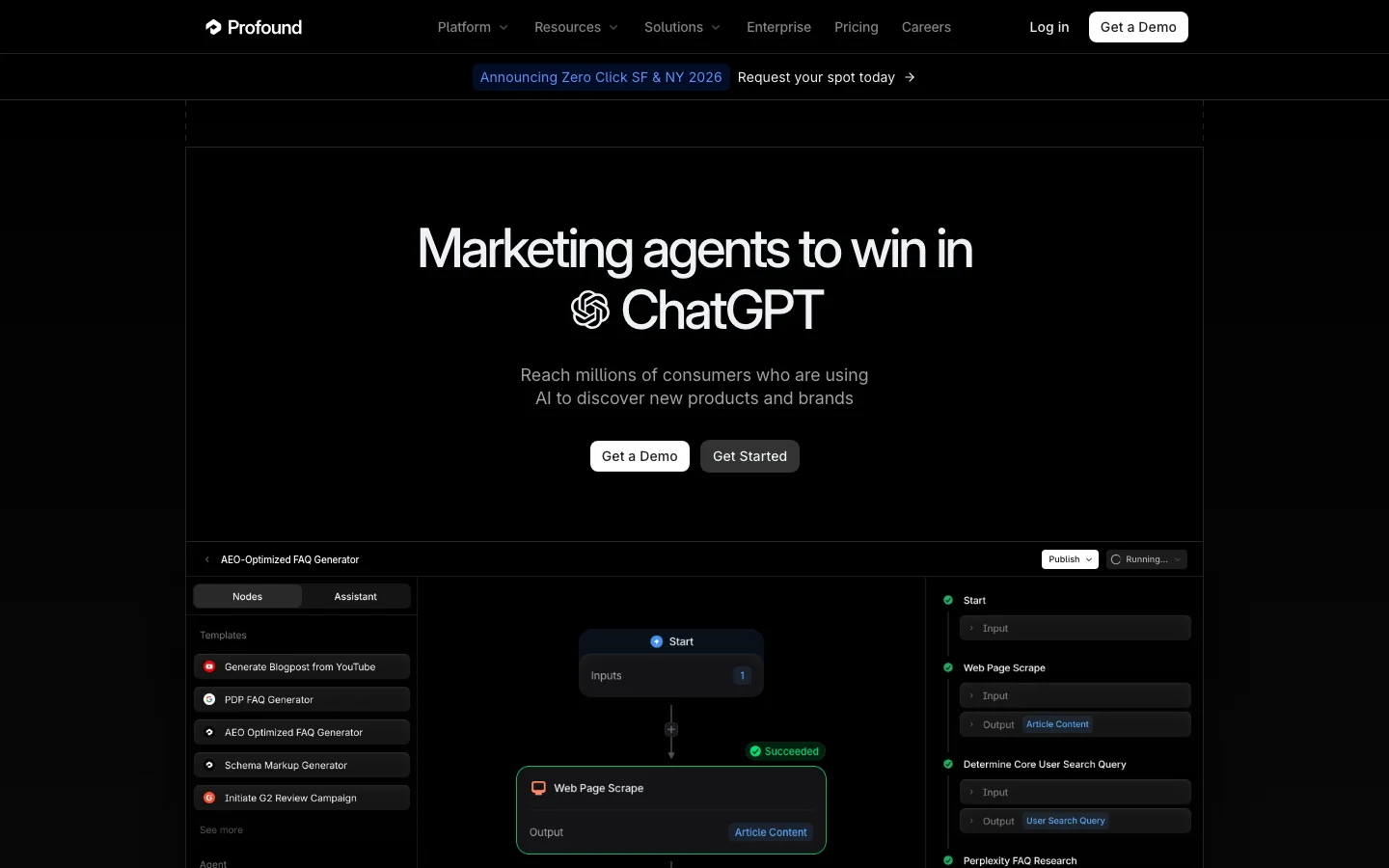
Profound focuses heavily on AI visibility analytics and brand perception inside AI responses.
Key characteristics include:
detailed response analysis
sentiment evaluation of AI outputs
competitive comparisons
The platform positions itself as an analytics layer that helps teams understand how AI models talk about their brand.
However, similar to many analytics‑focused tools, execution capabilities may require additional systems for content updates.
AirOps
AirOps approaches the category from a different angle.
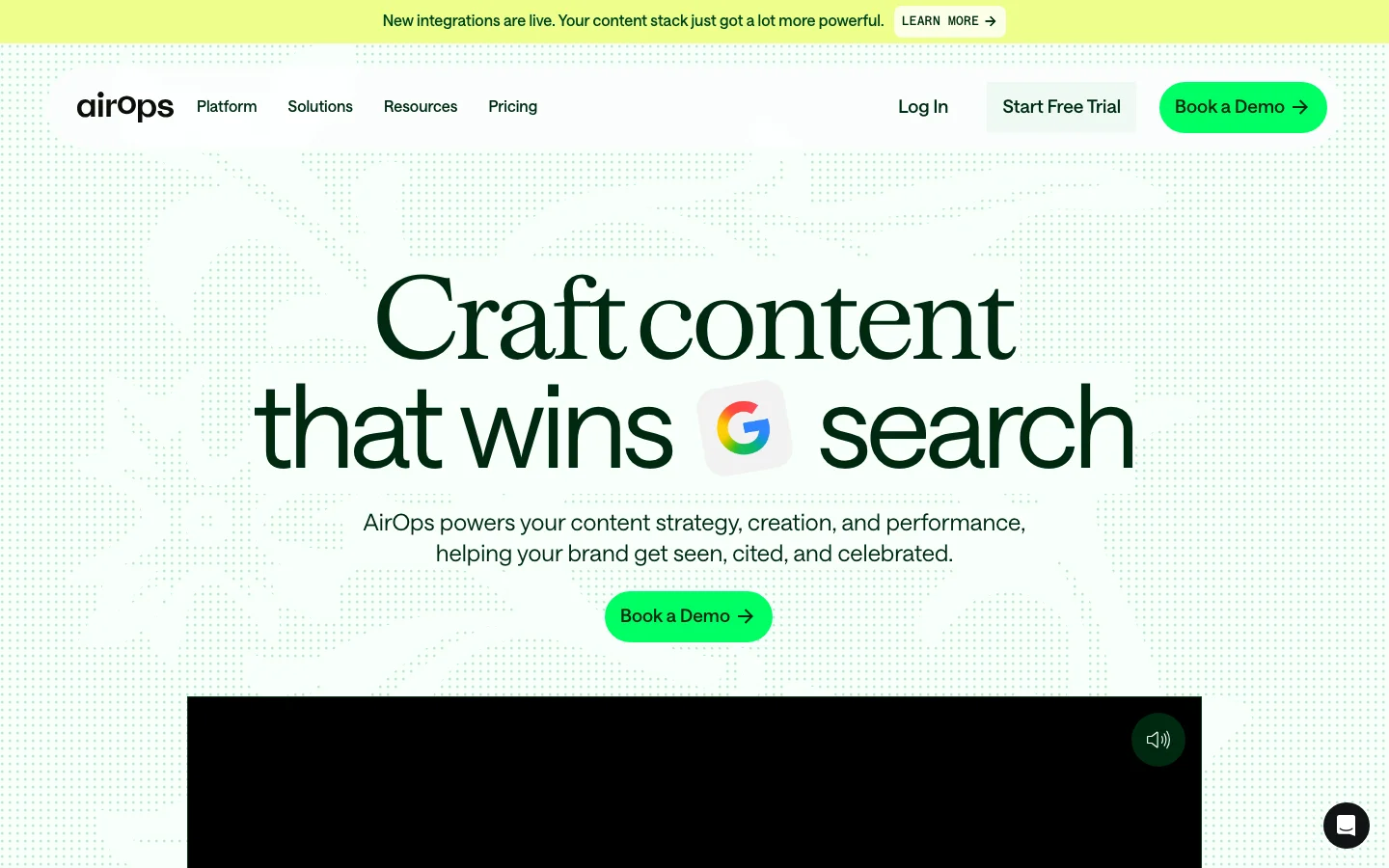
Instead of focusing primarily on monitoring, AirOps provides workflow automation for content production and research.
Capabilities typically include:
prompt‑driven research workflows
automated content pipelines
integration with internal knowledge bases
This model appeals to teams building large content systems, though visibility tracking may require additional integrations depending on the setup.
Skayle
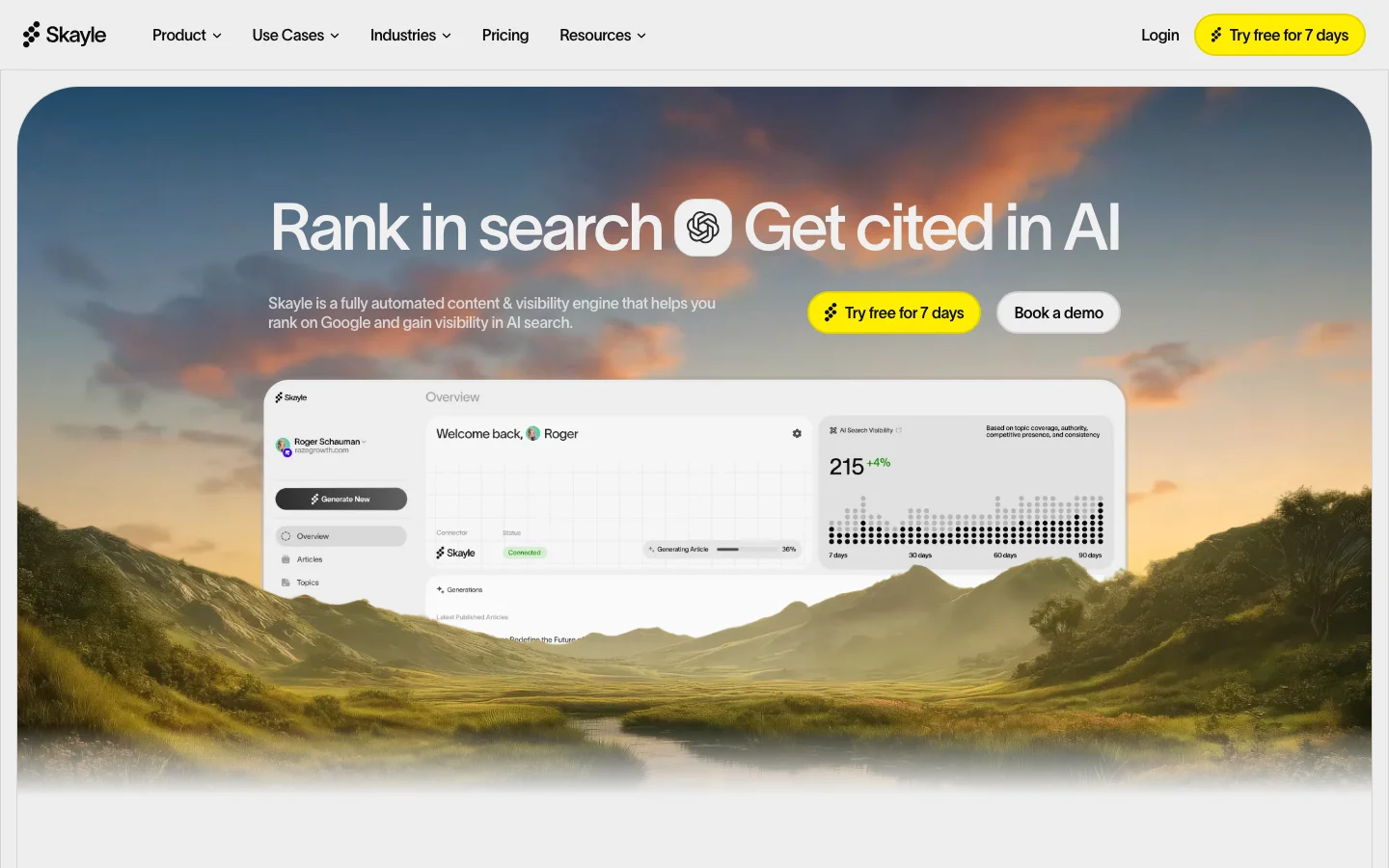
Skayle focuses on combining AI visibility measurement with content execution.
The platform is designed as a ranking and visibility system rather than a standalone analytics dashboard.
Key capabilities include:
tracking AI search visibility across multiple engines
identifying citation gaps by topic
generating content that addresses those gaps
This approach connects visibility insights directly to content creation and publishing workflows.
For teams evaluating AthenaHQ alternatives, the core difference lies in how quickly insights can be turned into actions.
Platforms focused purely on reporting often require additional systems for execution.
When AthenaHQ Is the Right Choice
Despite the growth of alternatives, AthenaHQ can still be the right fit in specific situations.
The platform may be suitable for:
enterprise marketing teams
organizations prioritizing executive‑level visibility reporting
companies focused primarily on monitoring AI search presence
Large companies with dedicated content teams often prefer analytics‑heavy tools because execution occurs in separate systems.
However, smaller teams frequently prioritize integrated workflows.
In those environments, tools that combine measurement with execution often produce faster results.
The Future of AI Visibility Platforms
The AEO and GEO software category is still evolving rapidly.
According to discussions about AI search trends in the Founder Fridays interview on YouTube, traditional SEO workflows struggle to adapt to AI‑driven discovery without specialized tooling.
Over the next few years, several shifts are likely:
AI visibility monitoring will become standard in SEO platforms.
Citation tracking will expand across more AI engines.
Content systems will integrate directly with visibility insights.
The most important shift may be structural.
Instead of separate tools for research, writing, publishing, and monitoring, platforms are beginning to unify those functions.
This consolidation mirrors earlier changes in the SEO ecosystem, where integrated platforms eventually replaced fragmented tool stacks.
FAQ
What does AthenaHQ actually do?
AthenaHQ monitors how brands appear in AI‑generated answers. According to the platform overview on AthenaHQ, it tracks prompts and identifies when brands are cited, mentioned, or recommended in AI responses.
Why are companies looking for AthenaHQ alternatives?
Many teams want tools that go beyond monitoring. Alternatives often provide deeper competitive intelligence, workflow automation, or integrated content execution capabilities.
Is AthenaHQ designed for enterprises?
Some third‑party evaluations suggest the platform is optimized for enterprise organizations with larger budgets and dedicated marketing teams. Smaller teams may prefer alternatives with more integrated workflows.
What metrics matter in AI visibility tracking?
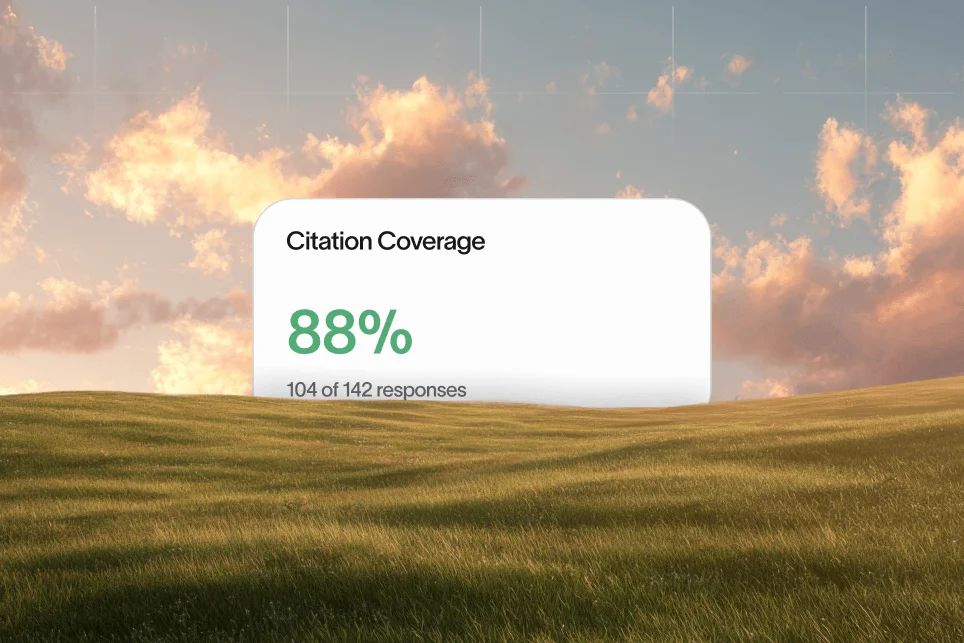
The most useful metrics include citation coverage, mention frequency, share of AI responses, and competitor citation share. These metrics help teams understand how often their brand appears in AI answers.
How do companies improve AI citations?
Improvements usually come from content changes rather than prompt tracking alone. Updating structured content, publishing comparison pages, and improving answer‑ready formatting often increase citation likelihood.
Final Takeaway
The rise of AI search has created a new category of marketing infrastructure. Platforms like AthenaHQ represent the first generation of tools designed to measure how brands appear in AI answers.
However, monitoring visibility is only the starting point.
The most effective AI visibility platforms combine measurement, competitive insight, and execution workflows that help teams close citation gaps quickly.
For companies evaluating AthenaHQ alternatives, the real differentiator is not the dashboard — it is how easily the platform turns AI visibility insights into content improvements that earn citations.
Teams that treat AI search visibility as an operational system rather than a reporting exercise tend to see faster gains.
Organizations exploring AI visibility strategies can start by measuring how often their brand appears in AI answers and identifying the topics where competitors receive citations instead.
Understanding those gaps is the first step toward earning consistent visibility in the AI‑driven search landscape.
References
Are you still invisible to AI?
Skayle helps your brand get cited by AI engines before competitors take the spot.
Get Cited by AI